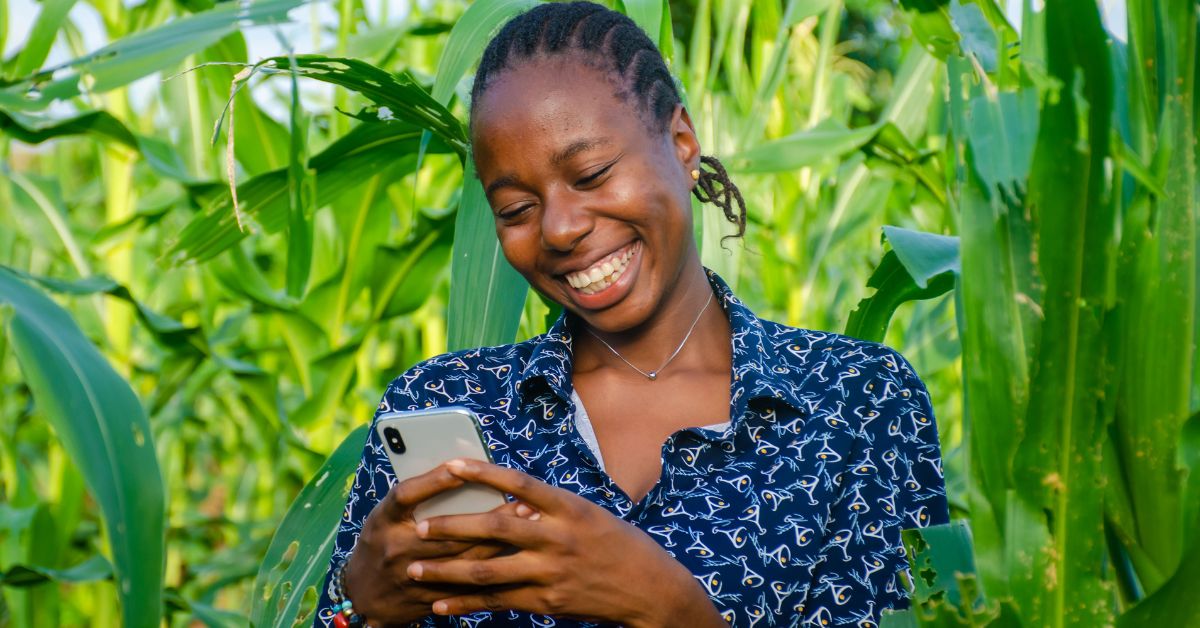
While Africa has seen impressive growth in digital financial services that have empowered millions to save, borrow, and engage in economic activities, a glaring truth remains: for many women, this revolution remains just out of reach.
Despite the digital transformation, only 37% of women in sub-Saharan Africa have access to a bank account, compared to 48% of men. Even more troubling, nearly 310 million fewer women than men use mobile internet. In some countries, married women still need their husband’s permission to open a bank account. This lack of access isn’t just a missed opportunity; it’s a direct barrier to prosperity, locking out up to $6 trillion in GDP that could be unlocked by closing the gender gap in financial services.
Addressing this gap isn’t just a matter of equality—it’s a critical economic strategy. By closing the gender divide in digital finance, Africa could see an additional $2.5 trillion added to its GDP by 2025. This potential underscores why empowering women through digital infrastructure is not only a social justice imperative but an economic necessity.
Central to this digital inclusion is Digital Public Infrastructure (DPI)—the digital highways that connect individuals to businesses and governments. DPI can break down barriers and provide women with the tools for property ownership, entrepreneurship, and financial independence. It’s an investment in a future where women are no longer excluded from Africa’s economic engine.
Three key components of DPI—digital identity, payment systems, and data exchange—are essential for improving service delivery and ensuring that women have access to critical services like healthcare, education, and financial opportunities.
Recent studies reveal that 500 million Africans, particularly women and girls, lack proof of identity—leaving them shut out from basic services and economic opportunities. Digital identity systems could bridge this gap, enabling women to access services, own property, and even open bank accounts. A look at India’s Aadhaar program, which has registered over 1.3 billion people, shows that digital identity can dramatically increase financial inclusion. For women, access to banking isn’t just a financial tool—it’s a source of freedom and empowerment, enabling them to save, borrow, and transact on their terms.
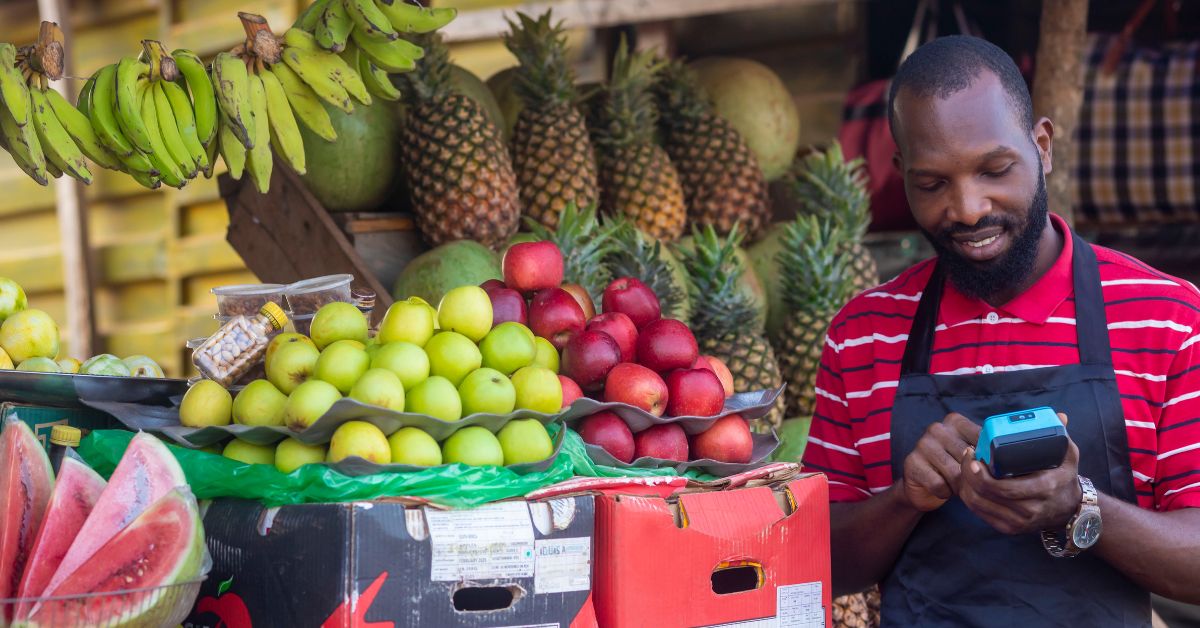
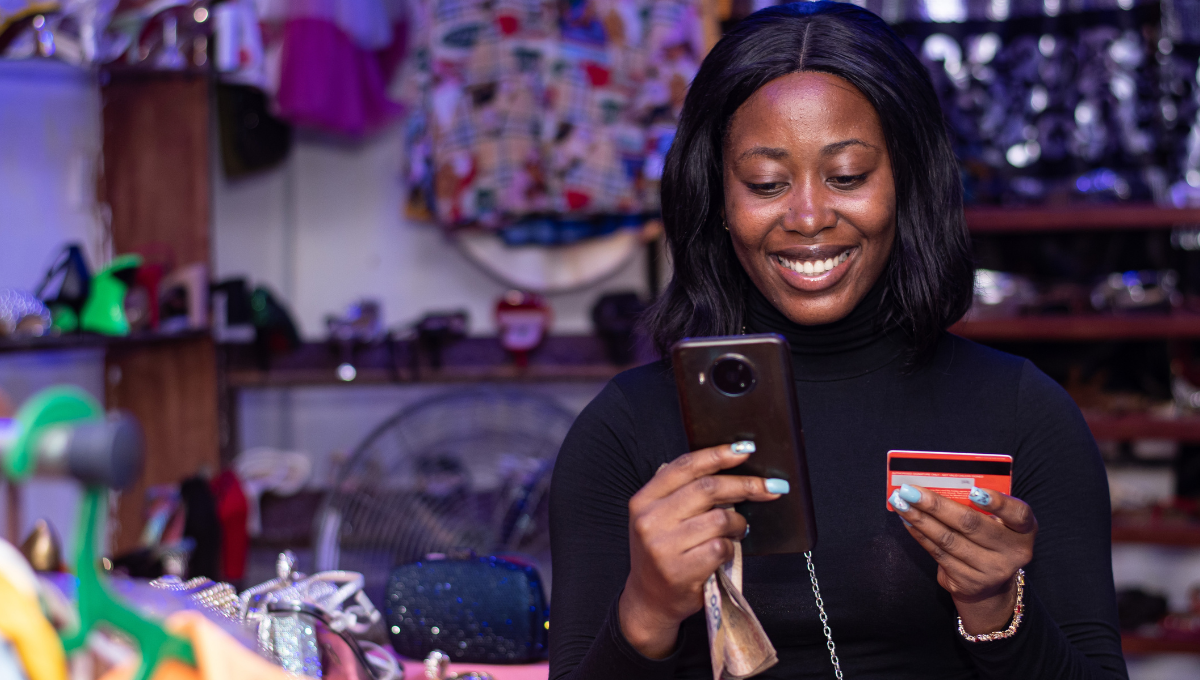
Equally transformative is the rise of mobile-based payment systems. M-PESA, launched in Kenya in 2007, has brought financial services to millions who were previously excluded from the banking system. In Kenya, M-PESA has helped over 185,000 women transition from subsistence agriculture to small-scale retail businesses, lifting 194,000 households out of poverty. More recently, a Visa study showed that digital payments boosted growth in 80% of women-owned businesses across Nigeria, Kenya, and South Africa. This kind of financial resilience and economic integration is a game-changer for women and the entire African economy.
The third pillar of DPI, data exchange systems, enables secure sharing of personal information among governments, individuals, and businesses. This kind of infrastructure is as vital as physical roads and railways—it unlocks access to essential services and ensures that women are not left behind in Africa’s digital economy.
For Africa to fully harness the economic potential of DPI, strategic investments are necessary. Governments must create regulatory frameworks that encourage collaboration with private companies to fund and develop DPI initiatives. Financial institutions must tailor their services to meet women’s unique needs, ensuring accessibility and relevance. And civil society organizations must advocate for policies that foster women’s economic empowerment through digital platforms.
The African Development Bank (AfDB) annual meetings provide an essential opportunity for leaders to champion DPI as a central part of Africa’s economic strategy. By prioritizing DPI, we can transform Africa’s digital landscape, reduce inequalities, and unlock the untapped potential of millions of women across the continent.
If we ensure women are not left behind in Africa’s digital revolution, we open the door to a more prosperous and inclusive future for all.