When Stripe bought Nigeria’s Paystack in 2020 for a reported $200 million, the headlines focused on the founders and their investors. Less attention went to the infrastructure underneath. Paystack’s product worked because Nigeria already had a national instant payment switch, run by the Nigeria Inter-Bank Settlement System, that could move money between any two bank accounts in seconds. The startup did not build those rails. It built a better way for merchants to use them.
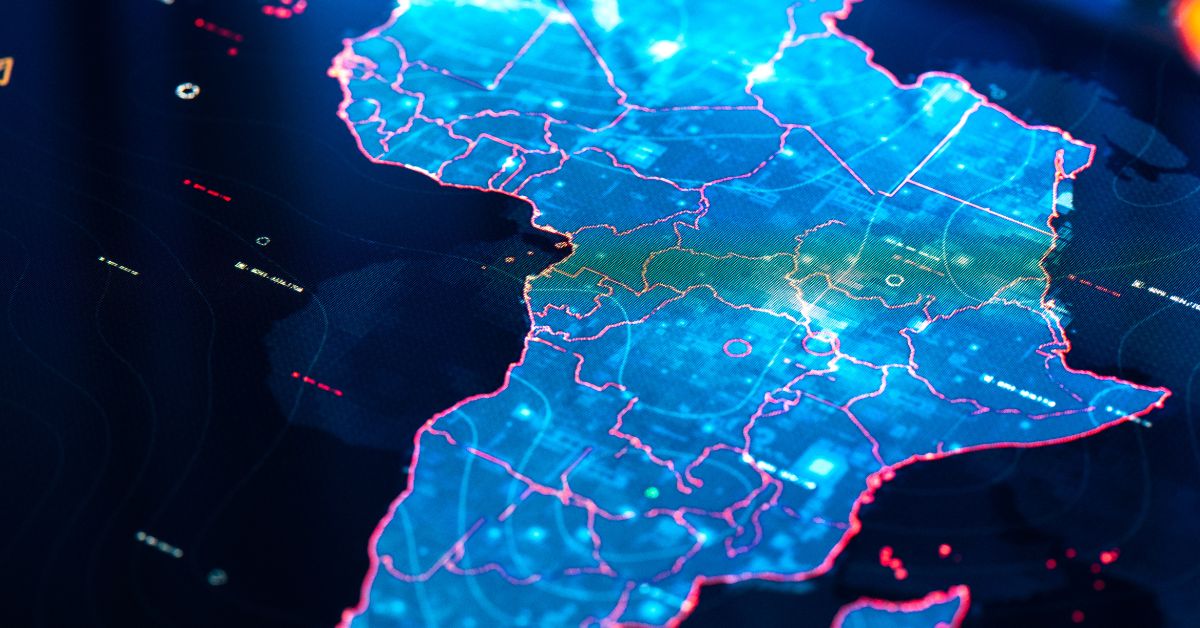
That pattern now defines much of African entrepreneurship. Across the continent, the most successful young companies sit on top of digital public infrastructure, the shared systems for identity, payments and data exchange that governments and central banks build for everyone to use. For founders, DPI turns problems that once required enormous capital into problems that can be solved with software.
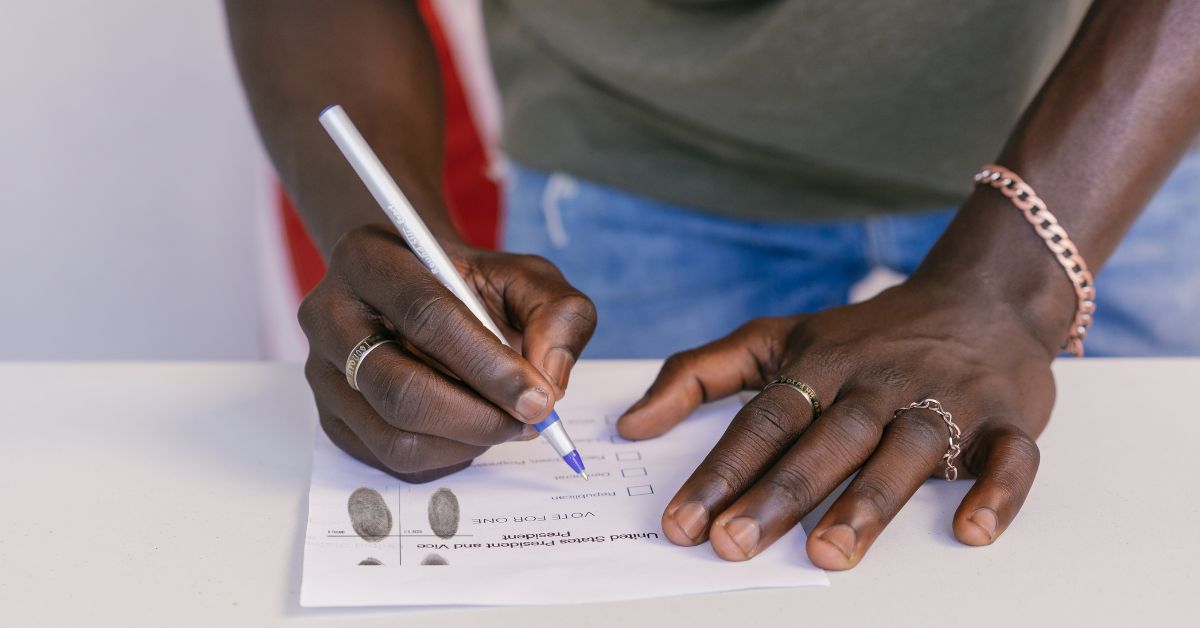
Consider identity. A decade ago, onboarding a customer in Lagos or Addis Ababa meant paper documents, physical verification and weeks of delay. Nigeria’s National Identification Number now covers more than 100 million people and is linked to bank verification numbers and SIM registration. Ethiopia is connecting its Fayda digital ID to banks and telecoms. For a fintech, digital verification collapses the cost of acquiring a customer, which is often the single largest expense in the business.
Payments tell a similar story. Kenya’s M-Pesa gave the world its best-known example of mobile money, but interoperability has done more for small businesses than any single platform. In 2018, Ghana connected all its mobile money operators to each other and to the banking system through the Ghana Interbank Payment and Settlement Systems. A trader in Kumasi can now accept payment from almost any wallet or account. Nigeria’s Moniepoint built one of the continent’s largest merchant networks by serving businesses that needed exactly that reach.
The most underrated layer is data. Every digital transaction leaves a record, and those records are becoming a substitute for collateral. Kenya’s Hustler Fund, launched in November 2022, issued small loans through mobile money using customers’ transaction histories to set limits. Private lenders across East and West Africa do the same. A vendor with two years of steady mobile money receipts can now prove her business works without audited accounts or a land title. For lenders, that record is often more reliable than a loan officer’s hunch.
This is why investors increasingly ask founders a specific question: which public rails does your product depend on, and how stable are they? The answer shapes risk. Businesses built on reliable, open infrastructure can scale across a country quickly. Those built on fragile or closed systems can be undone by a policy change, an outage or a regulator’s decision.
The risks are real. Nigeria’s 2023 cash shortage, triggered by a rushed naira redesign, exposed how quickly digital payment systems can buckle under sudden load. Mobile money charges on small transactions remain high enough to push the poorest traders back to cash. ID coverage gaps leave out many rural and women-owned businesses, the very groups DPI is meant to reach.
Regulation adds friction. Fintech founders in several markets say licensing regimes were designed for banks, not for software companies built on shared infrastructure, and compliance consumes resources that should go into product. Approval alone can outlast the build.
Still, the opportunity is widening. The African Continental Free Trade Area will need cross-border payment and identity systems to function, and the African Union’s Digital Transformation Strategy treats DPI as its backbone. The founders best placed to benefit will not be the ones rebuilding infrastructure. They will be the ones who understand the public rails deeply enough to see what nobody has yet built on top.