The Role of Digital Education in Africa
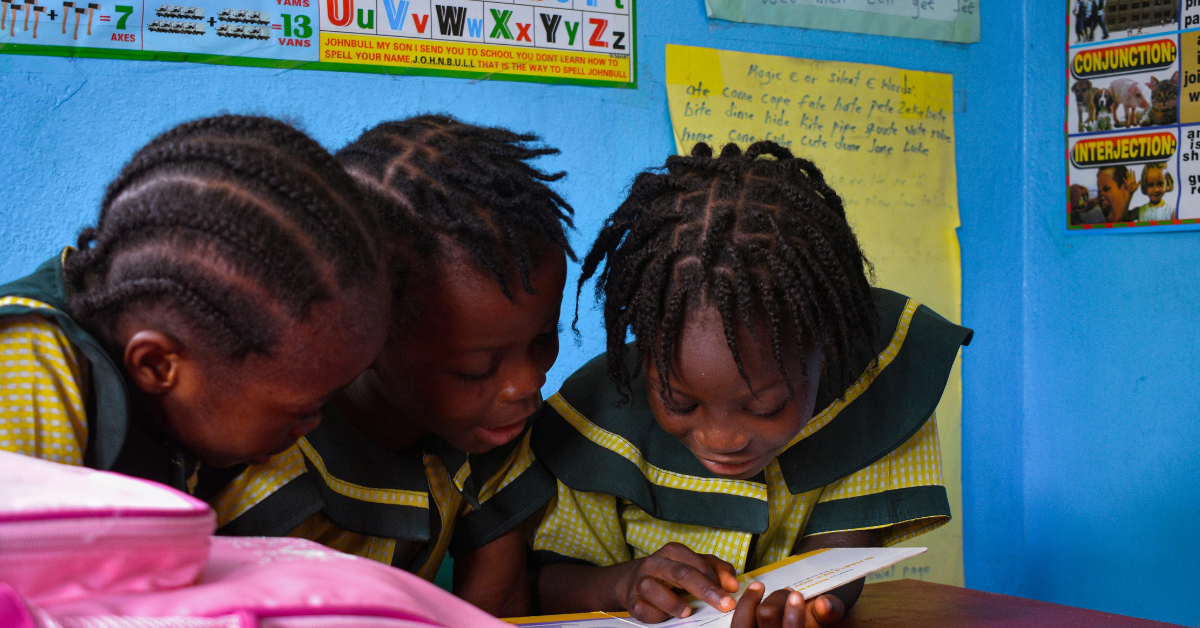
Digital education leverages technology to provide learning opportunities that are accessible, engaging, and effective. It includes online courses, digital textbooks, e-learning platforms, and interactive educational tools that make learning more flexible and inclusive. For a continent like Africa, where educational disparities and infrastructure challenges are prevalent, digital education offers a viable solution to bridge these gaps.
How DPI Supports Digital Education
- Improved Access to Learning Resources: DPI enables the creation and distribution of digital educational content that can be accessed from anywhere, at any time. This is particularly beneficial for students in remote and underserved areas who may lack access to traditional educational resources. Through DPI, digital libraries, e-books, and online courses become readily available, democratizing education for all.
- Enhanced Teaching and Learning Experiences: Digital tools supported by DPI, such as interactive whiteboards, educational apps, and virtual classrooms, enhance the teaching and learning experience. These tools make lessons more engaging and interactive, catering to different learning styles and needs. Teachers can use DPI to access a wealth of resources, collaborate with peers, and deliver more effective instruction.
- Capacity Building for Educators: DPI provides a platform for continuous professional development for educators. Online training programs, webinars, and digital certification courses help teachers stay updated with the latest educational practices and technologies. This ongoing capacity building is crucial for improving the quality of education across Africa.
- Bridging the Digital Divide: One of the significant challenges in Africa is the digital divide, where access to technology and the internet is unevenly distributed. DPI initiatives aim to bridge this divide by expanding internet connectivity and providing digital devices to schools and communities. Efforts such as deploying public Wi-Fi hotspots and distributing affordable tablets and laptops are key to ensuring all students can benefit from digital education.
- Aiding Innovation and Collaboration: DPI encourages innovative and collaborative environment in the field of education. Digital platforms facilitate communication between students and teachers, allowing them to contribute ideas and work together on projects from different parts of the globe. This in turn improves learning performance and prepares students for the global job market.
Success Stories and Ongoing Initiatives
Several African countries have made notable progress in integrating DPI into their educational systems. For instance, Kenya’s Digital Literacy Program aims to equip every primary school student with a digital device, enhancing their learning experience from an early age. Similarly, Rwanda’s Smart Classrooms initiative leverages DPI to transform traditional classrooms into interactive, technology-enabled learning environments.
The World Bank and other international organizations have been instrumental in supporting these initiatives. Their investments in digital development projects across Africa have significantly improved access to quality education. These projects focus on expanding broadband connectivity, providing digital learning resources, and training educators to effectively use technology in their teaching.
The Way Forward
While significant strides have been made, there is still much work to be done to fully realize the potential of digital education in Africa. Continued investment in DPI is crucial to expanding and sustaining these efforts. Policymakers, educators, and private sector players must collaborate to address challenges such as infrastructure gaps, digital literacy, and affordability of digital devices.
Furthermore, there is a need for robust policies and frameworks that support the integration of digital technologies in education. Governments should prioritize digital education in their national development agendas and allocate resources accordingly.
Digital Public Infrastructure is a powerful enabler of digital education in Africa. By providing the necessary tools, technologies, and connectivity, DPI transforms the educational landscape, making learning more accessible, engaging, and effective. As Africa continues to invest in and expand its DPI, the continent can look forward to a future where every child has the opportunity to receive a quality education, regardless of their location or socio-economic status. This, in turn, will drive inclusive growth, innovation, and sustainable development, empowering the next generation to thrive in the digital era.