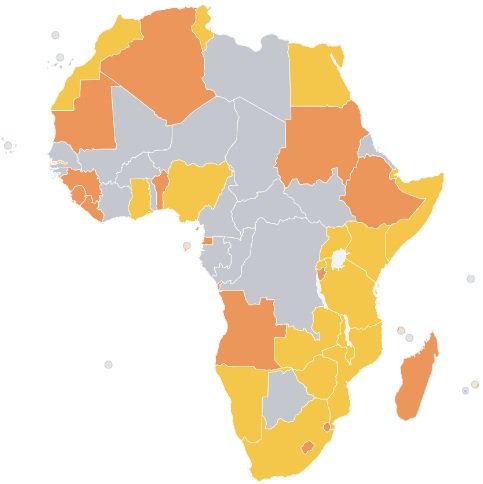
Ghana has been at the forefront of digital transformation in Africa, leveraging information technology (IT) and information communications technology (ICT) to drive sustainable development. Technology has been used to drive socio-economic transformation in virtually every sector of the public sphere and aspects of people’s daily lives. ICTs have changed the way we learn, work, trade, socialize, and access public and private services and information (Alhassan, 2019). Digital Public Infrastructure (DPI) encompasses a range of digital tools and systems that facilitate the delivery of public services, enhance governance, and promote citizen participation. Ghana has rolled out several key infrastructures, from digital identity systems to electronic payment platforms to data-sharing frameworks to various e-governance applications.
DPI, for instance, has been leveraged to provide modern governance, drive efficiency, transparency, and enhance citizen engagement. It is evident in the country’s commitment to expanding digital public infrastructure and ensuring widespread connectivity. This has empowered its citizens and businesses, fostering inclusive and efficient public services.
But what is the current status of Digital Public Infrastructure (DPI) in Ghana, and how have DPI projects impacted the socio-economic aspects of Ghanaians and improved the geo-economic landscape of the country? This report explores the significant strides Ghana has made in implementing DPI, analyzing the benefits to citizens and government, presenting case studies of successful initiatives, and discussing the challenges and future directions.
Overview of e-Governance
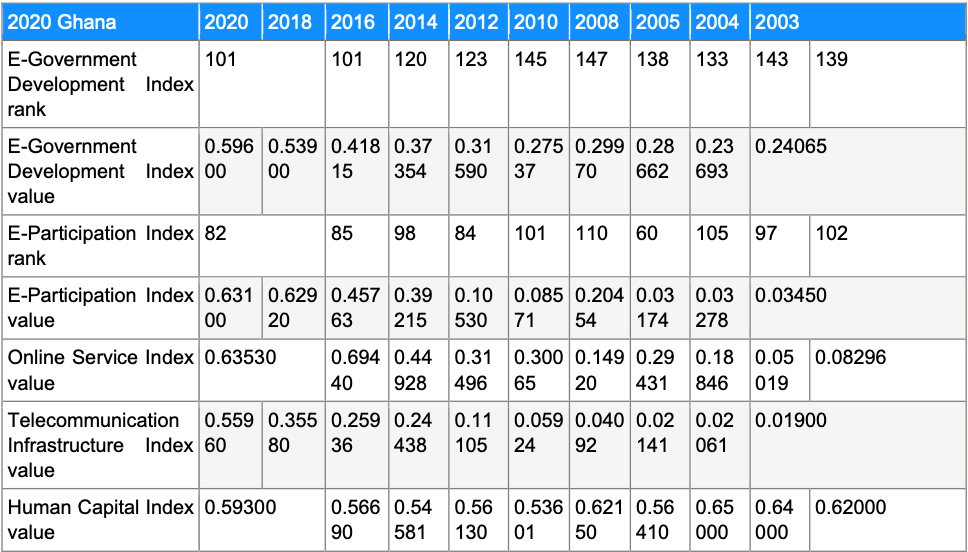
Trends from the periodic surveys by the United Nations E-Government Index show that Ghana has been making steady progress and was adjudged as one of the top performers in ICT-related services in Africa.
Electronic governance (e-governance) is one aspect successive Ghana governments have utilized advanced Information and Communication Technologies (ICTs), primarily web-based Internet applications, to enhance governance and service delivery. This approach promotes open communication, active participation, transparency, and public dialogue in the development of national regulations.
So evidentially, the passage of the Electronic Transaction Act, 2008 Act 772 was passed to facilitate online electronic transactions between government, businesses, and the general public.
In May, Ghana hosted the 3i Summit, a significant event that brought together stakeholders from various sectors to discuss Innovation, Investment, and Infrastructure in the context of digital transformation. The summit highlighted the importance of these three pillars in driving the country’s digital infrastructure program and overall digitization agenda.
Innovation: The summit underscored the critical role of innovation in achieving digital transformation. Discussions centered around leveraging emerging technologies such as artificial intelligence, blockchain, and the Internet of Things to enhance public services, improve efficiency, and foster economic growth. Emphasis was placed on nurturing a culture of innovation within both the public and private sectors, encouraging collaboration, and supporting start-ups through incubators and accelerators.
Investment: Investment emerged as a cornerstone for building robust digital infrastructure. Participants explored avenues for attracting both local and international investments to finance large-scale digital projects. Public-private partnerships were highlighted as effective mechanisms for mobilizing resources and sharing risks.
The summit also addressed the need for sustainable funding models to ensure the continuous development and maintenance of digital infrastructure. The infrastructure discussions focused on expanding high-speed internet and mobile network coverage, particularly in rural and underserved areas. There was a consensus on the need for scalable and sustainable infrastructure projects that can adapt to future technological advancements. The summit also stressed the importance of regular maintenance and upgrades to existing infrastructure to keep pace with increasing demand and ensure reliability.
The Central Bank of Ghana subsequently announced the successful completion of its first proof of concept (POC) for Project DESFT (Digital Economy Semi-Fungible Token), marking a significant milestone in the realm of digital cross-border trade.
Kwame Oppong, Director of Fintech and Innovation at the Central Bank of Ghana, made that announcement during the recently concluded 3i Summit on May 15. He highlighted the execution of a cross-border transaction using the ‘e-Cedi’ and an approved stablecoin from Singapore as a major achievement.
“The Bank of Ghana wishes to announce the successful completion of the first proof of concept as part of Project DESFT, which demonstrates the successful execution of a cross-border transaction payment using digital credentials, the e-Cedi, and an approved stablecoin from Singapore,” Oppong stated.
As part of the continuous effort of the government, on April 6 2010, E-governance started as e- Ghana project in Ghana with its component III having some public agencies captured as a pilot measure which yielded a lot of success. This was done by adopting different ICTs and other e-governance solutions to ensure better efficiency, transparency, and accountability.

E-Ghana ( e-Government Infrastructure Project )
The e-Ghana Project represents a significant milestone in Ghana’s journey toward digital transformation. Launched with the support of the World Bank, this comprehensive initiative aims to enhance the efficiency and transparency of government operations through the development of ICT infrastructure, e-government applications, and the promotion of ICT-based industry development.
The project, initiated in 2012, involves key government agencies such as the Ghana Immigration Service, the Ghana Revenue Authority (GRA), the Registrar General’s Department, and the Ministry of Foreign Affairs and Regional Integration, focusing on automating services and creating online platforms for essential public services.
One of the primary goals of the e-Ghana Project is to improve the efficiency and transparency of government operations. By leveraging ICT, the project aims to reduce bureaucratic delays, eliminate redundancies, and minimize opportunities for corruption. The automation of agency services and the creation of online platforms facilitate quicker and more transparent interactions between the government and citizens.
For instance, the Ghana Revenue Authority’s involvement in the e-Ghana Project has led to the development of online tax filing systems. These systems streamline the tax submission process, making it easier for individuals and businesses to comply with tax regulations. The digitalization of tax records also enhances the GRA’s ability to track and manage tax collections, ensuring greater accountability and transparency.
Similarly, the Registrar General’s Department has benefited from the project through the automation of business registration processes. Entrepreneurs can now register their businesses online, significantly reducing the time and effort required. This not only encourages business formation but also helps maintain a comprehensive and up-to-date business registry.
Ghana Integrated Financial Management Information System (GIFMIS)
In the contemporary world, the effective management of public funds and transparent government spending is paramount for fostering trust in public institutions and ensuring sustainable economic development. To achieve these goals, many governments have embraced integrated electronic financial modules.
This sophisticated approach encompasses three critical areas:
- Financial Management and Controls
- Budget Management
- Human Resource Management Information System (HRMIS)
Together, these elements form a comprehensive system designed to improve public financial management and enhance transparency in government expenditures.
During the annual conference of public service directors in Kwahu Nkwatia, Eastern Region of Ghana in May 2024, the president of Ghana urged the Ministry of Finance, the Public Services Commission and the Controller and Accountant General Department to ensure that all personnel of the public organizations are enrolled on the Human Resource Management Information System (HRMIS) for efficient management of the payroll.
Digital Address System
The advent of digital technology has revolutionized numerous aspects of modern life, including how we navigate and interact with our environment. In Ghana, the implementation of the Digital Address System represents a significant leap forward in this digital transformation.
This innovative global addressing system assigns a unique digital address to every location within the country, providing a wide range of benefits across various sectors. By enhancing service delivery and planning, the Digital Address System supports emergency services, delivery services, and property identification, thereby contributing to national development.
This has single-handedly mitigated the traditional addressing systems, that often rely on landmarks and vague descriptions, which have long posed challenges in accurately locating addresses, particularly in regions with rapid urbanization and informal settlements.
One of the most critical applications of the Digital Address System is in supporting emergency services. In emergencies, time is of the essence, and the ability to quickly and accurately locate a distressed individual can save lives.
Ghana has an estimated population of 30.8 million people. According to data from the World Bank (2019), about 45% of Ghana’s people are found in rural areas. This initiative has enabled emergency responders to pinpoint exact locations, reducing response times and improving the efficiency of rescue operations where traditional addressing systems might be inadequate or nonexistent.
Beyond immediate practical applications, the Digital Address System has had broader implications for socio-economic development in Ghana. It has provided a reliable addressing system that promotes financial inclusion, enabling more people to access banking and financial services that require reliable proof of address
Unique Digital Addresses For All Locations
GhanaPostGPS is Ghana’s official digital property addressing system that covers every inch of the country, ensuring all locations have a unique digital address. This global addressing system divides Ghana into grids of 5m x 5m squares, assigning each a unique digital address. With GhanaPostGPS, every land and property in the country receives a permanent, precise address, facilitating improved navigation and service delivery.

e-Immigration System

Traditional immigration processes often involve cumbersome paperwork, long waiting times, and the potential for human error. The e-Immigration project addresses these issues by automating key functions, thereby improving the overall efficiency of immigration services. Applicants are now able to submit visa and permit applications online, significantly reducing the need for physical visits to immigration offices. This not only saves time for both applicants and immigration officers but also ensures that applications are processed more swiftly.
Earlier in June of 2024, the Vice President of Ghana, Dr Mahamudu Bawumia as part of strengthening the e-immigration programme said, “In fact, before the end of this year if you arrive in Ghana at Kotoka Airport you don’t need to go to an immigration officer, we are putting together the E-gates, you put in your Ghana card it will open for you, and you pass and enter. The E-gates will work in Ghana before the end of this year.”
One of the core components of the e-Immigration project is the automation of visa applications and permit issuance. By moving these processes online, the system allows for more efficient data collection and verification. Applicants can upload required documents, fill out forms, and make payments electronically. This minimizes the need for physical documentation, reducing the risk of loss or damage to important papers.
In the past, passport applications could take months before delivery. Applicants were left to travel long distances to verify and submit at the Passport Application Center in Accra, Ghana. However, the e-immigration system has reduced that remarkably and allowed remote/ virtual application processes that efficiently cut off about 70 per cent of man hours.
Paperless Port System
In September 2017, the government of Ghana introduced a digital process for reducing paperwork at Ghana’s ports, marking a significant milestone in the country’s efforts to streamline port operations, reduce corruption, and enhance trade facilitation.
This system leverages digital technologies to replace traditional, paper-based processes with electronic ones, significantly improving efficiency and transparency. Key components of this transformation include the electronic processing of customs declarations and automated cargo tracking. These advancements collectively contribute to a more efficient, secure, and competitive trading environment.
Electronic processing of customs declarations allows for faster submission, review, and approval of documents. Traders can submit their declarations online, eliminating the need for physical paperwork and reducing the time spent queuing at customs offices. This digital approach also facilitates quicker data entry and verification, further speeding up the clearance process. As a result, goods can move more swiftly through the ports, reducing bottlenecks and enhancing overall operational efficiency.

Subsequently, digital processes reduce direct interactions between port officials and traders, thereby lowering the chances of bribery and other forms of corruption. Automated systems enforce standard procedures and make it more difficult to alter or manipulate records without detection. Electronic records create a clear audit trail, making it easier to identify and address any irregularities.
Deputy General Manager, Marketing and Corporate Affairs, Mrs Nana Esi Soderberg at the GPHA disclosed that, despite the outbreak of the COVID-19 pandemic, Ghana’s seaport recorded about a 24 per cent increment in containerized traffic among other gains.
Digital Identity Systems
One of the most transformative DPI projects in Ghana is the Ghana Card, a biometric national identification card managed by the National Identification Authority (NIA). The Ghana Card is designed to provide a unique identity to every citizen, facilitating access to government services and promoting financial inclusion.
In September 2017, the Ghanaian Government initiated a new electronic identification (e-ID) project aimed at providing every citizen with a smart biometric national identity card, known as the Ghana Card.
The national registration and issuance of e-ID cards to all Ghanaians began on May 28, 2018. The project is run through a public-private partnership between Ghana’s National Identification Authority and subsidiaries of Margins ID Group, Intelligent Card Production Systems (ICPS) and Identity Management Systems (IMS).
The Ghana Card platform has established a comprehensive register of all Ghanaians and permanent residents. This initiative has ensured that existing identification systems, including the passport system, electoral register, and health insurance scheme, are synchronized and current, thereby enabling the government to accurately verify individuals’ identities.
Furthermore, Dowuona & Associates argue that this robust register will enhance the foundations of democracy, promote economic and social inclusion, and bolster national security by providing a credible and accountable means of identifying all citizens and residents. Individuals aged 15 and over will be issued an e-passport and a digital certificate, facilitating increased access to e-government and e-commerce services.
According to the man spearheading affairs at the National Identification Authority, about 17,918,135 Ghanaians have been registered for the card between April 2019 and March 2024.
With close to 17 mandatory uses, the Ghana card has been integrated seamlessly into various sectors of the economy as the primary mode of identification without which one would be unable to apply for and be issued a passport, a driver’s license, purchase an insurance policy, engage in banking transactions, purchase, and transfer or register land titles, register to vote, pay taxes, register a SIM card or mobile telephone, as well as access to various public or governmental services.
Key Achievements:
- Universal Coverage: The Ghana Card initiative aims to register all Ghanaians, significantly reducing the number of undocumented individuals in the country. This universal coverage ensures that every citizen has a verifiable identity, which is crucial for accessing various services.
- Interoperability: The Ghana Card integrates with various government databases and services, enhancing efficiency and reducing redundancy. This interoperability means that citizens can use the Ghana Card across multiple platforms, streamlining processes and improving service delivery.
- Financial Inclusion: By providing a verifiable identity, the Ghana Card helps more people access banking services and financial products. This is particularly important for the unbanked and underbanked populations, who can now open bank accounts and participate in the formal financial system
Mobile Money Interoperability
Ghana has made significant strides in mobile money interoperability, enabling seamless transactions across different mobile money networks and traditional banking systems. This development has taken on increased importance globally, with interoperability now present in around half of the 100 countries that have at least one mobile money service. Initially market-led, mobile money interoperability in Ghana has seen proactive government involvement in recent years, sometimes including mandatory requirements.
Ing. Kenneth Ashigbey, CEO of the Telecoms Chamber, highlighted the benefits, stating, “Our customers would benefit from network effects and from reduced transaction costs. Governments can also be optimistic that interoperability can help advance financial inclusion due to the ubiquitous nature of mobile and reduced transaction costs, as well as lower the cost of printing and managing cash.”
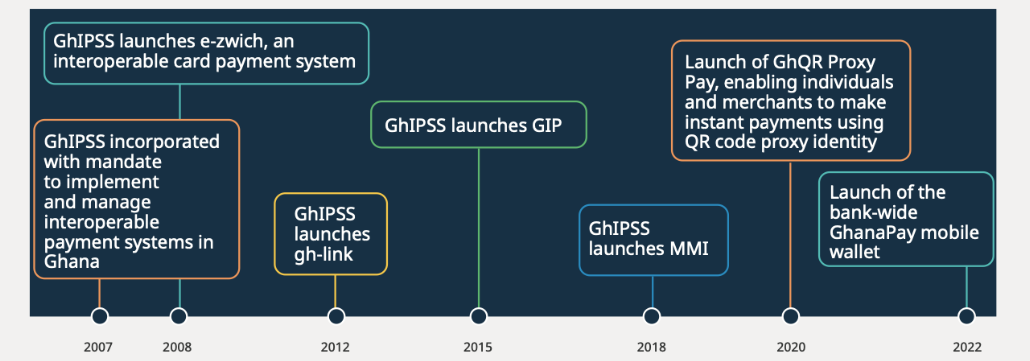
Vice President Bawumia has indicated that the next step for the government is to focus on cross-border interoperability to ensure an efficient payment system among countries in the sub-region, thereby promoting intra-African trade. The Mobile Money Payment Interoperability service, developed by Ghana Interbank Payment and Settlement Systems (GhIPSS) in collaboration with the Mobile Industry, allows direct and seamless transfers of funds from one mobile money wallet to another across different networks, significantly enhancing financial inclusivity and transaction efficiency in Ghana.
Key Achievements:
Mobile Money Interoperability has increased Financial Inclusion by granting the ability to transfer money across networks and has made financial services more accessible to the unbanked and underbanked populations.
In an increasingly complex global landscape with unprecedented natural, humanitarian and financial shocks, building resilience is more important than ever before. According to the Director General of the GSMA Mats Granryd, in just over 17 years, the mobile money industry has grown from a niche market offering to a mainstream financial service, transforming the lives of over 1 billion people. The depth and breadth of this impact cannot be underestimated.
The Economic Impact of Mobile money interoperability is enormous. It has facilitated business transactions, particularly for small and medium enterprises (SMEs), boosting economic activities.
By the close of March 2024, it is estimated that the total value of mobile money accounts with commercial banks in Ghana by the end of March 2024 reached GH¢18.69 billion cedis.

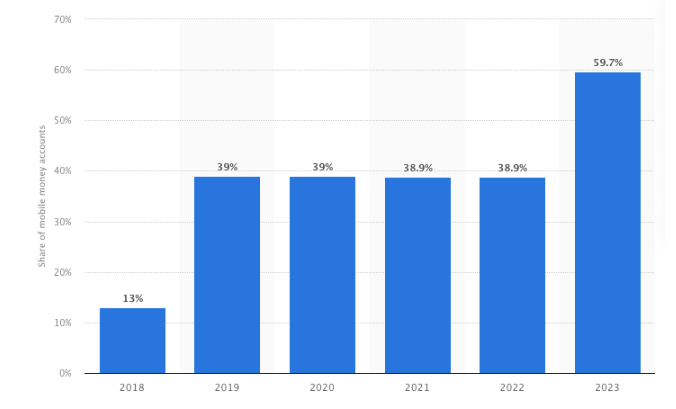
The simplification of the process of transferring funds, paying bills, and purchasing goods, has contributed to higher adoption rates of Mobile Money. As of January 2023, 59.7 percent of the population aged 15 years and older had a mobile money account in Ghana. This was a sharp rise from the previous year. The share of mobile money users significantly increased in 2018, and the number of mobile connections in this West African country rose steadily.
Ghana Interbank Payment and Settlement Systems (GhIPSS)
In the last couple of years, Ghana has seen some tremendous improvements in cross-cutting technological advancement in delivering financial services to Ghanaians. Through the central bank’s initiative, the Ghana Interbank Payment and Settlement System (GhIPSS) was born.
GhIPSS oversees the implementation of various electronic payment systems, including e-zwich, Gh-link, and the Cheque Codeline Clearing (CCC) system.
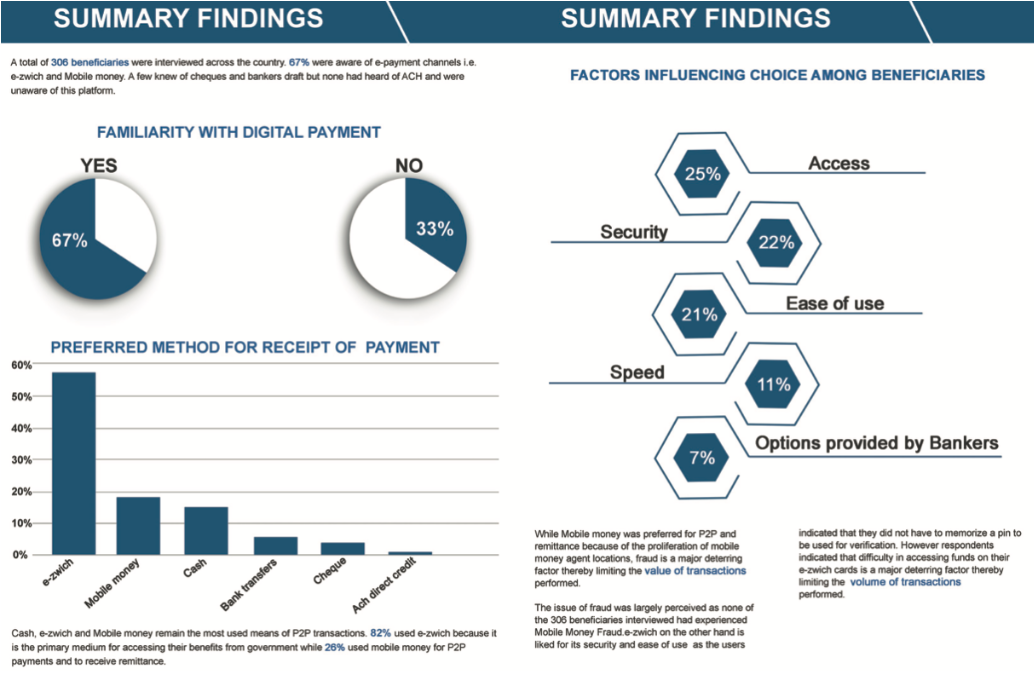
One of the key findings from a consumer perspective survey conducted to ascertain the importance of GhIPPS and the migration of traditional methods of fund transfer to GhIPPS is the security, convenience to the taxpayer and speed of the process.
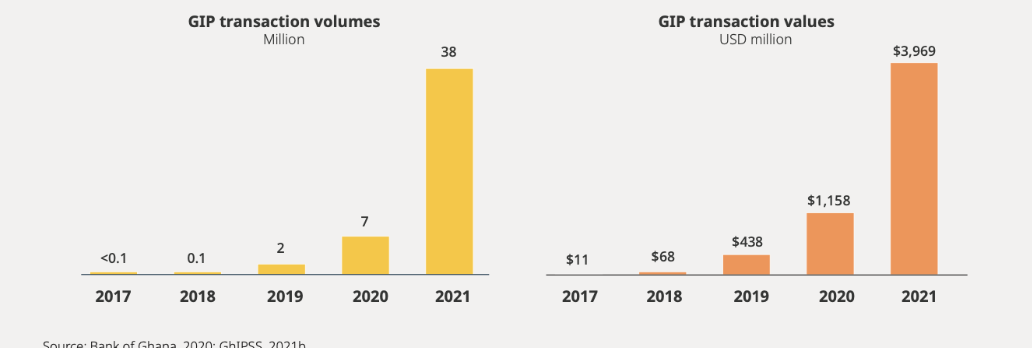
Mr Hesse noted that while mobile money has significantly helped in reaching the informal sector, it has traditionally been dominated by telecommunication service providers and, more recently, by financial technology companies (FinTech). He emphasized that for banks to extend their services to the informal sector, they must enter the mobile money space and directly engage with micro and small businesses. This necessity led to the creation of the GhanaPay mobile money service, allowing banks to offer their products to informal sector operators.
The informal sector constitutes over 85% of the Ghanaian economy but largely remains outside the banking sector due to stringent Know Your Customer (KYC) requirements by banks. In contrast, mobile money services, including GhanaPay, have lower KYC barriers, making them more accessible to individuals and small enterprises.
GhanaPay, offered by universal banks, rural banks, and savings and loan companies, combines mobile money features with banking services. It is accessible via USSD (*707#) or through the GhanaPay App, available on the Google Play Store and iOS App Store, bringing banking convenience to mobile devices.
Digital Health Initiatives
The Covid-19 pandemic was a wake-up call to leaders of nations across the globe, especially in Africa, to invest in critical health management and technology that will enhance medical health delivery across the continent.
Recently, Ghana has embarked on a journey to modernize its healthcare system through the implementation of various digital health initiatives. These initiatives aim to improve the efficiency, accessibility, and quality of healthcare delivery across the country. Key among these efforts are the adoption of electronic medical records (EMRs), ZIPLINE DRONE DELIVERY and the expansion of telemedicine services. The Government of President Akufo-Addo since January 2017 has been at the forefront of providing improved public service delivery using digital solutions.
“The role of digital health solutions in our healthcare sector cannot be overemphasized. Over the last few years, we have embarked on a digitalization drive in the health sector as a response to the World Health Organization (WHO) call for member countries to implement digital health interventions in their health systems to improve access to care and well-being for their populations,” the Vice President of Ghana explained.
These technological advancements are transforming how healthcare is administered, offering numerous benefits to patients, healthcare providers, and the overall health system.
The adoption of electronic medical records (EMRs) represents a significant shift from traditional paper-based record-keeping to a more efficient, digital system.
EMRs are basically, digital versions of patients’ paper charts, containing comprehensive health information, including medical history, diagnoses, medications, treatment plans, immunization dates, and test results.
The universal database system allows the interlinkage of public medical records across health facilities in Ghana. What this means is that patients’ medical records are digitally accessible at every public health facility, surmounting the bottleneck of carrying patients’ files around.
Poor accessibility to essential healthcare products in remote areas has been significantly hindered by inadequate transportation. By 2019, Zipline expanded its services to Ghana, enabling the delivery of 170 different vaccines, blood products, and other medicines to over 2,000 health facilities and nearly 22 million people (de Leon, 2020; Ackerman, 2019; Sigal, 2019).
During the COVID-19 pandemic, Africa fared better than Europe and the United States. Although Africa hosts about 17% of the world’s population, the continent recorded fewer than 100,000 cases, representing just 1.4% of the global total, and fewer than 3,000 deaths, which accounted for 0.7% of worldwide fatalities, according to the African Centre for Disease Control.
Thanks to Zipline’s drone delivery services, Ghana’s Ministry of Health and Ghana Health Service were well-equipped to conduct up to 15,000 tests in a single day.
Key Achievements:
- EMRs: The adoption of electronic medical records improves patient care by ensuring accurate and accessible patient data.
- Telemedicine: Expands access to healthcare services, particularly in remote and underserved areas, by allowing consultations and diagnoses through digital platforms.
- Health Information Systems: Integrating various health information systems enhances data collection and analysis, supporting better health policy and decision-making.
The Benefits of E-Governance for Citizens in Ghana
E-governance has emerged as a transformative force in Ghana, revolutionizing the way government services are delivered and accessed by citizens. Through the strategic implementation of information and communication technologies (ICT), the Ghanaian government has made significant strides in enhancing public administration, increasing transparency, and fostering a more inclusive society. This section explores the multifaceted benefits of e-governance for Ghanaian citizens, highlighting improvements in access to services, transparency, efficiency, participation, and social inclusion.
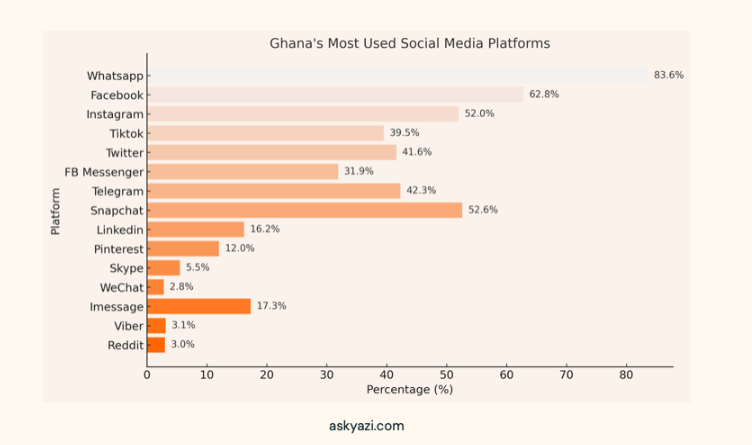
One of the most significant benefits of e-governance for citizens is the vastly improved access to government services. Traditional methods of accessing public services often involved lengthy processes, bureaucratic hurdles, and the need for physical presence at government offices. E-governance eliminates these barriers by providing online platforms where citizens can access a wide range of services from the comfort of their homes. For instance, the eGhana Project has facilitated online business registration, tax filing, and land title registration, drastically reducing the time and effort required to complete these processes. This ease of access is particularly beneficial for individuals living in remote areas who previously faced significant challenges in reaching government offices. According to Ghana Digital Statistics 2023, There were 23.05 million internet users in Ghana at the start of 2023, with internet penetration standing at 68.2 percent. Ghana was also home to 6.60 million social media users in January 2023, equating to 19.5 percent of the total population.
E-governance plays a crucial role in enhancing transparency and accountability within the public sector. Digital systems reduce opportunities for corruption by minimizing human intervention in service delivery. Automated processes and electronic records create a transparent trail of transactions, making it easier to detect and prevent fraudulent activities. For example, the implementation of the Ghana Integrated Financial Management Information System (GIFMIS) ensures accurate and timely financial reporting, thereby enhancing accountability in the management of public funds. This increased transparency fosters trust between citizens and the government, as people can be more confident that public resources are being used responsibly.
The introduction of e-governance has significantly streamlined various administrative processes, leading to greater efficiency and convenience for citizens. Automated systems and digital platforms reduce the need for manual paperwork, resulting in faster processing times for government services. For instance, the e-justice System has digitized court records and case management processes, reducing case backlogs and improving the efficiency of the judicial system. Citizens can now access legal information and track the progress of their cases online, saving time and reducing the stress associated with legal proceedings. Similarly, the Digital Address System (GhanaPost GPS) provides precise location data, facilitating efficient delivery services and emergency response.
E-governance initiatives have opened new avenues for citizen engagement and participation in governance. Digital platforms allow citizens to provide feedback, access information about government activities, and participate in decision-making processes. This increased engagement promotes a more inclusive and democratic society, where citizens have a voice in shaping policies and services that affect their lives. For instance, through e-participation tools, Ghanaians can contribute to public consultations, submit petitions, and engage with their elected representatives online. This fosters a sense of ownership and responsibility among citizens, strengthening the democratic fabric of the nation.
E-governance has the potential to bridge the digital divide and promote social inclusion by ensuring that underserved and remote communities have access to essential services. The National Identification System (NIS), which involves issuing biometric national identity cards, ensures that every citizen is documented and can access government services. This is particularly important for marginalized groups who might otherwise be excluded from social interventions and public services. Additionally, digital literacy programs and efforts to expand ICT infrastructure in rural areas are crucial in ensuring that all citizens can benefit from e-governance initiatives.
The benefits of e-governance for citizens in Ghana are profound and far-reaching. By improving access to services, enhancing transparency and accountability, streamlining processes for greater efficiency, fostering citizen participation, and promoting social inclusion, e-governance is transforming the relationship between the government and its citizens. As Ghana continues to invest in ICT infrastructure and digital literacy, the potential for e-governance to drive socio-economic development and improve the quality of life for all Ghanaians will only grow. Through these efforts, Ghana is setting a benchmark for how technology can be harnessed to create a more responsive, transparent, and inclusive government.
The Benefits of E-Governance for Government Agencies in Ghana
E-governance in Ghana represents a significant shift in the operation of government agencies, driving improvements in efficiency, cost savings, data management, service delivery, and revenue collection. By leveraging information and communication technologies (ICT), the Ghanaian government has transformed public administration, making it more effective and responsive. Here we explore the key benefits of e-governance for government agencies, highlighting how it enhances operational efficiency, reduces costs, improves data management, elevates service delivery, and increases revenue collection.
E-governance significantly enhances the operational efficiency of government agencies by automating routine tasks and streamlining workflows. Traditional bureaucratic processes often involve multiple layers of manual paperwork and approvals, leading to delays and inefficiencies. With e-governance, digital systems are introduced to handle these tasks, reducing processing times and eliminating bottlenecks. For instance, the Ghana Integrated Financial Management Information System (GIFMIS) integrates various financial processes, enabling more efficient budget management and financial reporting. Such automation allows government employees to focus on more strategic tasks, ultimately improving overall productivity within agencies.
One of the most tangible benefits of e-governance is the substantial cost savings it brings to government operations. Digitization reduces the need for physical infrastructure, minimizes manual labor, and lowers the costs associated with printing, storing, and handling paper documents. For example, the paperless port system implemented at Ghana’s ports has streamlined customs processes and reduced the reliance on physical documentation, leading to significant cost reductions. These savings can then be redirected towards other critical areas such as healthcare, education, and infrastructure development, thereby enhancing the government’s ability to meet public needs more effectively.
Effective data management is a cornerstone of efficient governance, and e-governance provides the tools necessary to achieve this. Digital systems enable better data collection, storage, and analysis, which in turn enhances decision-making and policy formulation. For example, the National Identification System (NIS) creates a comprehensive national database through biometric national identity cards, providing accurate and up-to-date information on the population. This data is invaluable for planning and delivering public services, ensuring that interventions are targeted and efficient. Furthermore, digital records are easier to manage and retrieve, reducing the risk of data loss and improving overall data integrity.
E-governance initiatives significantly improve the accuracy, reliability, and speed of services provided by government agencies. Automated systems ensure that services are delivered consistently and promptly, enhancing citizen satisfaction. For instance, the e-justice system has modernized the judicial process by digitizing court records and case management, thereby reducing case backlog and improving the efficiency of legal proceedings. Similarly, the e-immigration system has streamlined visa applications, permit issuance, and border management, making immigration services faster and more efficient. These improvements in service delivery build public trust in government institutions and enhance the overall quality of public administration.
E-governance also plays a crucial role in increasing government revenue collection by improving the efficiency and effectiveness of tax systems. Automated tax systems reduce the opportunities for tax evasion and increase compliance by simplifying the tax filing process and making it more accessible to citizens and businesses. For example, the Ghana Revenue Authority (GRA) has implemented online platforms for tax filing and payment, which have streamlined tax collection processes and reduced administrative burdens. By increasing transparency and reducing the scope for corruption, these systems ensure that more revenue is collected and available for public investment. In 2021, the body in charge of revenue mobilization in Ghana, GRA, achieved 20 percent more revenue than the previous year. A feat the Customs Division of the Authority attributed to “the introduction of Integrated Customs Management Systems (ICUMS) has streamlined Customs Operations and helped increase tax collection at the country’s entry points.”
Challenges and Future Directions for Digital Public Infrastructure in Ghana
Challenges
In Ghana, there are significant challenges that impact socio-economic development and the equitable distribution of digital resources. Key areas of concern include urban-rural disparity, socio-economic inequality, cybersecurity threats, capacity building and digital literacy, infrastructure development, and regulatory and policy challenges. Addressing these issues is crucial for fostering a more inclusive digital society.
One of the most significant aspects of the digital divide in Ghana is the disparity between urban and rural areas. Urban centers like Accra and Kumasi benefit from better access to digital infrastructure, including high-speed internet and advanced digital services. In contrast, rural areas suffer from low internet penetration and limited digital literacy. This disparity hampers the ability of rural populations to access information, services, and opportunities that are readily available to their urban counterparts. Bridging this gap requires targeted investments in rural digital infrastructure and educational initiatives to improve digital literacy.
Economic disparities also play a critical role in the digital divide. Lower-income populations often lack the financial resources to afford digital devices and internet services, further exacerbating the gap. This inequality limits their ability to participate in the digital economy, access educational resources, and benefit from e-governance initiatives. To address this issue, policies aimed at reducing the cost of digital devices and internet services, along with programs that provide financial assistance or subsidies, are essential.
As Ghana’s digital infrastructure grows, so does the threat of cyber attacks. Government databases, financial systems, and personal data are increasingly targeted by cybercriminals. The country’s existing cybersecurity framework is still developing and lacks robust policies, regulations, and enforcement mechanisms. Strengthening cybersecurity measures through comprehensive legislation, capacity building for cybersecurity professionals, and public awareness campaigns is vital for protecting sensitive information and maintaining trust in digital systems.
A significant barrier to effective digital adoption in Ghana is insufficient training and digital literacy. Many government employees, business professionals, and citizens lack the necessary skills to utilize digital tools effectively. In September 2019, some three teacher unions threatened to strike over the HRMIS policy. They argued that the designers of the technological platform failed to include the peculiar nature of teachers in Ghana. “The GES was migrated into the HRMIS in August 2018 but since then, we have had so many challenges because the designers did not take the peculiarities of the GES into consideration in the design before GES was migrated into the system,” they argued. Comprehensive training programs are needed to equip these groups with the relevant digital skills. Additionally, raising public awareness about the benefits and functionalities of digital services can lead to higher adoption rates and more effective use of available technologies.
Reliable internet connectivity remains a challenge in many parts of Ghana. Inadequate infrastructure, including broadband and mobile networks, hampers the effective delivery of digital services. Continuous investment in expanding and upgrading digital infrastructure is crucial to meet the growing demand and technological advancements. Regular maintenance and upgradation of existing infrastructure are also necessary to ensure reliable and high-quality digital services.
Ghana faces regulatory and policy challenges that hinder the seamless integration and expansion of digital public infrastructure. Inconsistent and fragmented regulations create barriers to progress. Establishing a cohesive regulatory framework that supports digital innovation and expansion is essential.
Additionally, clear and comprehensive data privacy laws are needed to protect citizens’ personal information and build trust in digital systems. Ensuring that these regulations are well-enforced will create a more secure and conducive environment for digital growth.
Future Directions
The lack of proper Digital Public Infrastructures in Ghana poses significant challenges to socio-economic development, particularly in rural and underserved areas. Addressing this divide requires a comprehensive strategy that encompasses infrastructure expansion, affordable access, enhanced cybersecurity measures, digital literacy, sustainable infrastructure development, regulatory reforms, support for innovation, and international collaboration. By implementing these measures, Ghana can create a more inclusive digital society that benefits all its citizens.
The foundation of bridging the digital divide lies in expanding high-speed internet and mobile network coverage, especially in rural and underserved areas. Public-private partnerships are crucial in funding and executing these projects. Collaborations between the government and private sector can pool resources, share risks, and leverage expertise to build robust digital infrastructure. Prioritizing infrastructure expansion ensures that all regions, regardless of their location, have access to reliable internet connectivity, enabling them to participate in the digital economy.
Economic barriers significantly contribute to the digital divide. Implementing policies that reduce the cost of digital devices and internet services for low-income populations is essential. Subsidies and financial incentives can make digital access more affordable, allowing more people to benefit from digital technologies. By ensuring that digital access is within reach for all socio-economic groups, Ghana can foster greater digital inclusion and bridge the gap between the affluent and the disadvantaged.
As digital infrastructure expands, so does the need for robust cybersecurity measures. Developing and enforcing a comprehensive cybersecurity policy is critical. This policy should include regular security audits, incident response plans, and public awareness campaigns. Investing in training programs for cybersecurity professionals and establishing institutions dedicated to cyber threat analysis and response will enhance Ghana’s capacity to protect its digital infrastructure and maintain public trust in digital systems.
Digital literacy is fundamental to maximizing the benefits of digital technologies. Integrating digital literacy into the national education curriculum and providing ongoing training for teachers and students will ensure that the younger generation is well-equipped with the necessary digital skills. Nationwide public awareness campaigns can educate citizens about the benefits and practical uses of digital services, promoting their adoption and effective use in everyday life.
Investing in scalable and sustainable digital infrastructure projects is essential for long-term success. These projects should be designed to adapt to future technological advancements and increasing user demands. Establishing a framework for the regular review, upgrade, and maintenance of digital infrastructure will ensure its reliability and efficiency, preventing obsolescence and ensuring continuous service improvement.
A unified regulatory framework is necessary to support the seamless integration of digital services across various sectors. Developing cohesive regulations that encourage innovation while ensuring compliance will facilitate the growth of digital public infrastructure. Implementing robust data privacy laws is equally important to protect citizens’ personal information and build trust in digital systems. Clear and comprehensive data privacy legislation will safeguard sensitive data and promote confidence in digital transactions.
Fostering innovation and supporting tech start-ups are vital for driving digital advancement. Creating more incubators and accelerators can provide start-ups with mentorship, funding, and resources to thrive. Establishing innovation hubs in various regions will decentralize technological development, ensuring that all areas of the country benefit from digital advancements. By nurturing a vibrant start-up ecosystem, Ghana can stimulate economic growth and create job opportunities in the tech sector.
Engaging in international collaborations can provide valuable insights and access to cutting-edge technologies. By sharing knowledge and best practices with other countries, Ghana can adopt successful e-governance initiatives and tailor them to its specific context. Global partnerships can facilitate the exchange of expertise, helping Ghana to implement effective digital strategies and stay abreast of global digital trends.


Duncan O. is a writer and journalist based in Ghana. He covers technology, finance, and business, focusing on the latest developments on the African continent. His work aims to inform and engage readers on the key issues shaping the continent's future.
Africa.com is a leading digital media company dedicated to delivering comprehensive news, insightful research, and engaging discussions on Digital Public Infrastructure (DPI) across the African continent.