Enhancing Services through Digital Public Infrastructure
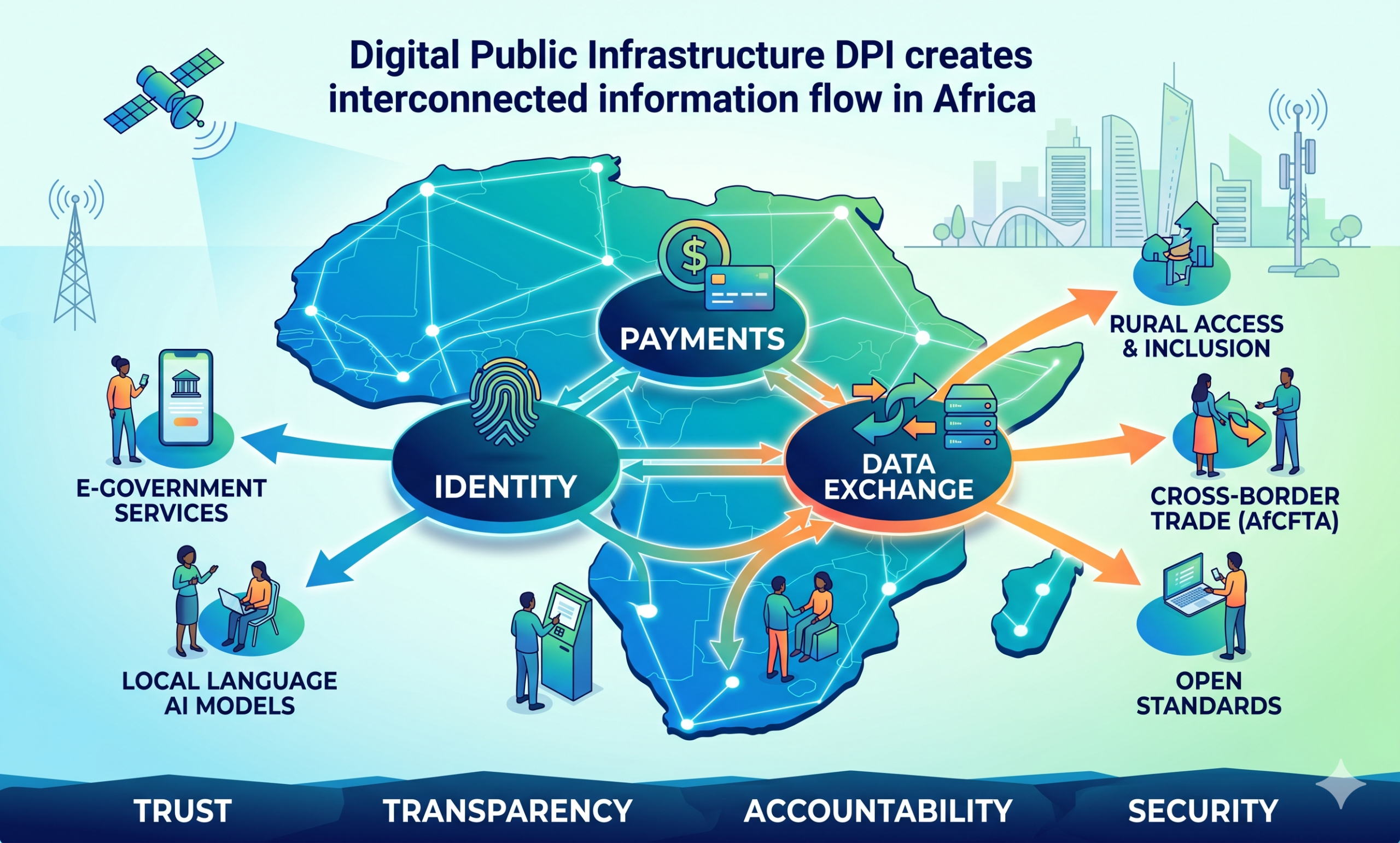
In the rapidly evolving digital landscape of Africa, Digital Public Infrastructure (DPI) plays a critical role in transforming the way public services are delivered and accessed. Among the essential components of DPI, Digital Identification Systems stand out as a foundational element that enables secure, efficient, and inclusive service delivery. This post explores how Digital Identification Systems are revolutionizing various sectors in Africa, the impact on citizens, and the future prospects of these systems.
The Importance of Digital Identification Systems
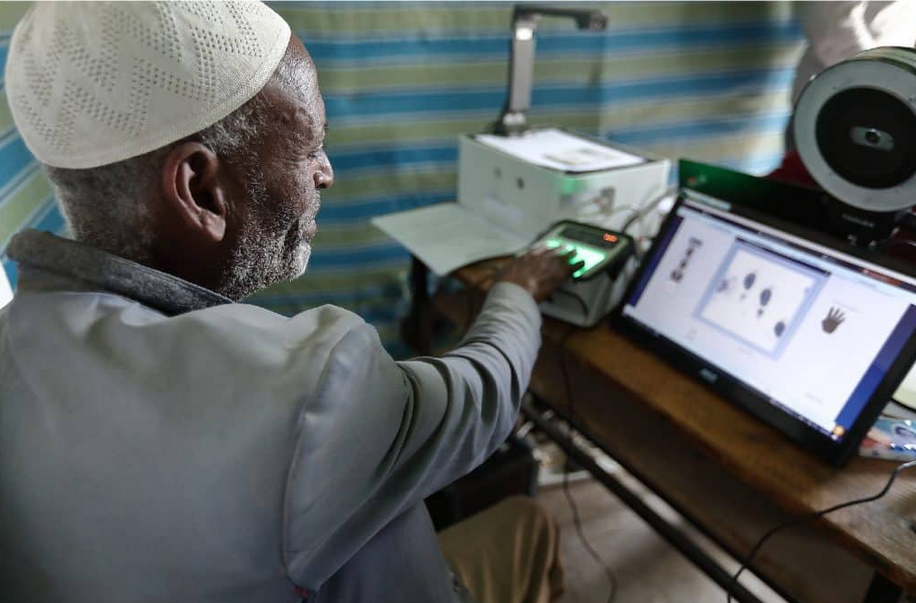
Digital Identification Systems provide individuals with a verifiable, secure, and unique digital identity. These systems are crucial for accessing a wide range of services, from banking and healthcare to education and social welfare. In many African countries, traditional forms of identification are either non-existent or insufficient, making it difficult for individuals to prove their identity and access essential services. Digital Identification Systems address this gap by offering a reliable and accessible means of identification for all citizens.
How DPI Supports Digital Identification Systems
- Enhanced Security and Reliability: DPI ensures that Digital Identification Systems are secure and reliable. Advanced technologies such as biometrics (fingerprint, facial recognition, iris scans) and encryption are used to create robust digital identities that are difficult to forge or steal. This enhances the trustworthiness of these systems and protects against identity fraud.
- Improved Accessibility: By leveraging DPI, Digital Identification Systems can be made widely accessible, even in remote and underserved areas. Mobile technology and internet connectivity enable individuals to register for digital IDs using their smartphones or through local service centers. This inclusivity ensures that everyone, regardless of their location, can benefit from a digital identity.
- Interoperability Across Services: DPI supports the interoperability of Digital Identification Systems across various public and private services. This means that a single digital ID can be used to access multiple services, such as banking, healthcare, education, and government benefits. Interoperability streamlines processes, reduces the need for multiple IDs, and simplifies the user experience.
- Efficient Public Service Delivery: Digital Identification Systems enable more efficient delivery of public services. Government agencies can quickly and accurately verify the identities of individuals applying for services, reducing paperwork and processing times. This efficiency improves service delivery and enhances the overall user experience.
Impact of Digital Identification Systems on African Communities
The implementation of Digital Identification Systems has had a profound impact on African communities:
- Financial Inclusion: Digital IDs are a gateway to financial inclusion for millions of unbanked and underbanked individuals. With a digital identity, people can open bank accounts, apply for loans, and access other financial services that were previously out of reach. This empowerment fosters economic participation and growth.
- Improved Healthcare Access: In the healthcare sector, Digital Identification Systems facilitate the management of patient records, ensuring that medical histories are accurately maintained and easily accessible. This improves the quality of care and ensures that individuals receive appropriate treatment.
- Enhanced Social Welfare Programs: Governments can use Digital Identification Systems to efficiently administer social welfare programs. By accurately identifying beneficiaries, these systems reduce fraud and ensure that resources are directed to those who need them most. This enhances the effectiveness of social safety nets and supports vulnerable populations.
- Empowerment Through Education: Digital IDs enable access to educational services and opportunities. Students can use their digital identities to enroll in schools, access online learning platforms, and apply for scholarships. This facilitates educational attainment and personal development.
Case Studies and Success Stories
Several African countries have successfully implemented Digital Identification Systems, showcasing the transformative potential of these initiatives:
- Kenya: The Huduma Namba initiative provides Kenyans with a unique identification number that consolidates various forms of identification into a single digital ID. This system enhances access to government services and improves administrative efficiency.
- Nigeria: The National Identity Management Commission (NIMC) has issued millions of digital IDs to Nigerian citizens, facilitating access to banking services, healthcare, and social programs. The digital ID system also supports Nigeria’s drive towards a cashless economy.
- Ghana: The GhanaCard is a comprehensive digital identification system that serves as proof of identity for accessing a wide range of services, including banking, healthcare, and voting. The GhanaCard project aims to register every citizen and resident, ensuring universal access to digital identification.
Future Directions and Recommendations
To further advance the implementation and impact of Digital Identification Systems in Africa, the following steps are crucial:
- Continued Investment in DPI: Governments and private sector partners should continue to invest in the development and expansion of digital infrastructure to support the widespread adoption of Digital Identification Systems.
- Public Awareness and Education: Educating citizens about the benefits and uses of digital IDs is essential for widespread acceptance and utilization. Public awareness campaigns can help demystify the technology and encourage registration.
- Strong Regulatory Frameworks: Establishing clear and robust regulatory frameworks is necessary to protect the privacy and security of individuals’ data. Governments must enact and enforce data protection laws to build trust in Digital Identification Systems.
- Cross-Sector Collaboration: Collaboration between government agencies, private sector companies, and international organizations can drive innovation and ensure the successful implementation of digital ID initiatives. Partnerships can also help address challenges related to interoperability and scalability.
- Focus on Inclusivity: Ensuring that Digital Identification Systems are inclusive and accessible to all segments of the population, including marginalized and remote communities, is essential. Tailored approaches may be needed to reach different groups and address their specific needs.
Digital Identification Systems, supported by robust Digital Public Infrastructure, are transforming the way services are delivered and accessed in Africa. By providing secure, reliable, and accessible means of identification, these systems empower individuals, enhance service delivery, and drive socio-economic development. As African countries continue to invest in and expand their DPI, the future holds great promise for a more inclusive, efficient, and prosperous continent. Digital IDs are not just a technological advancement; they are a powerful tool for building a brighter future for all Africans.