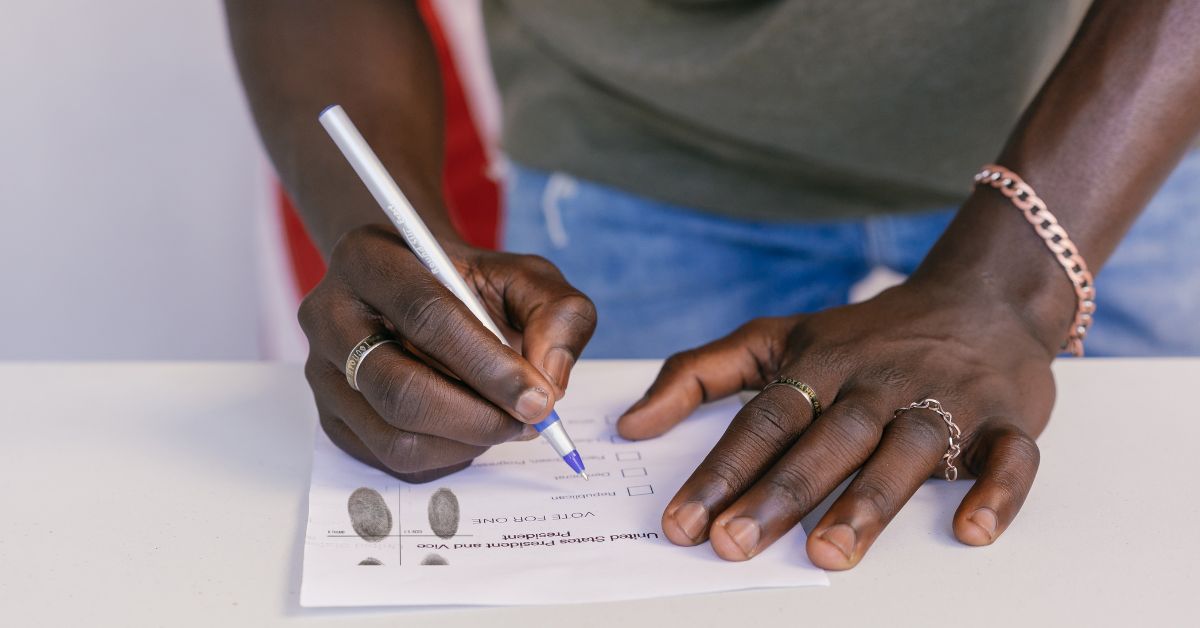
More than 500 million Africans still lack a verifiable digital identity, according to the United Nations Development Programme’s 2026 analysis, even as mobile subscriptions have surged past one billion. That gap is not merely administrative. Without a trusted way to prove who they are, people are locked out of bank accounts, social transfers, formal jobs, and cross-border opportunities under the African Continental Free Trade Area.
Governments are racing to close it. Nigeria’s National Identity Management Commission has pushed the National Identification Number past 140 million enrolments, with free registration in every ward and a political target of 95 percent coverage by the end of 2026. Ethiopia’s Fayda system has passed 46 million registrations and is linking bank accounts. Ghana’s Card has become a durable foundation that survived political transitions. South Africa unveiled a working smartphone digital-ID prototype in October 2026 as part of its MyMzansi roadmap, moving away from the old green ID book.
The technology is largely biometric—fingerprints, facial recognition, or both—because paper systems failed at scale. Roughly 85 percent of African countries now operate some form of national ID with digital capabilities, and most collect biometrics. The logic is straightforward: once identity is solved, authentication can unlock everything else, from tax filing to health records to merchant payments.
Yet the same systems that promise inclusion can exclude. Uganda’s Ndaga Muntu left significant numbers of citizens unable to access healthcare after data errors. Elderly people, rural residents, and those without stable addresses or documents repeatedly fall through cracks. Foreign vendors still dominate many deployments, raising questions of cost, lock-in, and long-term control. Data-protection laws have multiplied—around 40 countries have frameworks—but enforcement and independent oversight lag behind the speed of enrolment.
Successful programmes treat identity as infrastructure, not a one-off card project. They open APIs so banks, telecoms, and government agencies can authenticate without rebuilding databases. They invest in agents and offline options so the system works on basic phones. They publish error-correction processes that people can actually use. Nigeria’s shift toward more open architectures and Ethiopia’s early focus on authentication are examples of this thinking.
The stakes are practical. Digital identity is the first of the three core DPI layers—alongside payments and data exchange. Done well, it reduces fraud in cash-transfer programmes, lowers the cost of customer due diligence for banks and fintechs, and creates the trusted base for regional interoperability under African Union frameworks. Done poorly, it becomes a new barrier that formalises exclusion.
The next phase is less about more enrolments and more about usable, portable, and rights-respecting identity. Countries that solve the last-mile problems and the governance problems will turn the half-billion gap into a foundation rather than a permanent ceiling.