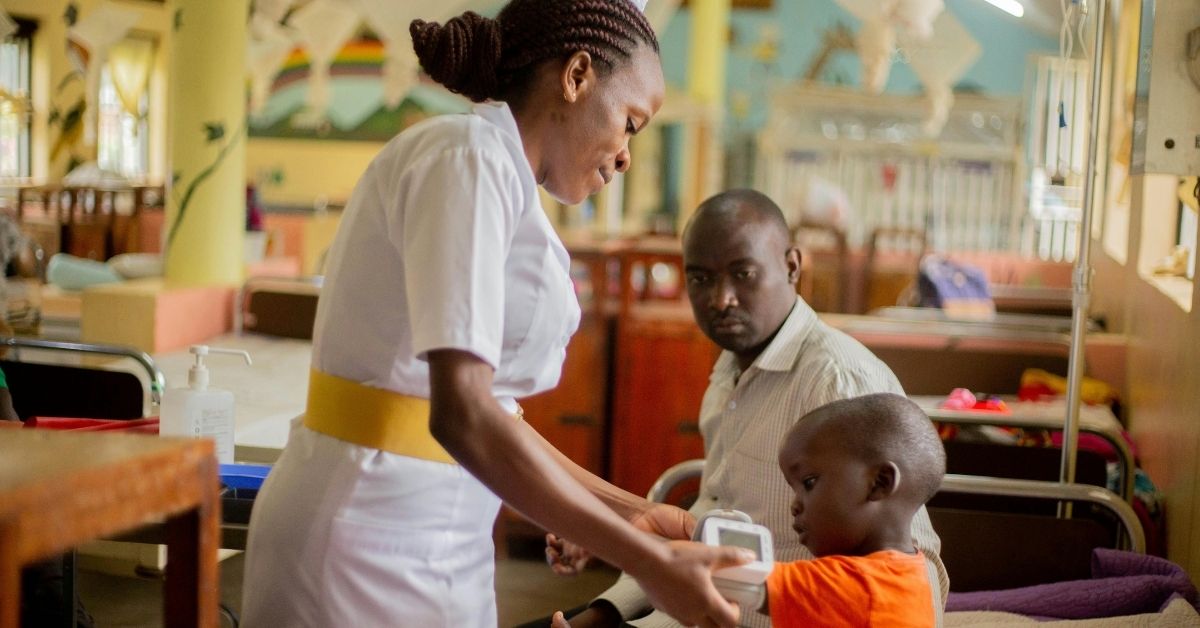
Across Africa, healthcare is entering a new era—one shaped not just by hospitals and clinics, but by digital systems that connect people, data, and services at scale. Digital Public Infrastructure (DPI) is emerging as a powerful foundation for this transformation, helping countries deliver more accessible, efficient, and inclusive healthcare.
At its core, DPI refers to shared digital systems such as digital identity, payment platforms, and data exchange layers that governments can use to deliver services. When applied to healthcare, these systems are unlocking new ways to reach patients, improve outcomes, and strengthen national health systems.
Expanding access through digital identity
Access to healthcare often begins with something simple: being recognized. In many parts of Africa, millions of people still lack formal identification, making it harder to access medical services, insurance, or government programs.
Digital ID systems are changing that. By providing secure and verifiable identities, countries can link patients to health records, track medical histories, and ensure continuity of care. This is especially important for rural and mobile populations, who often fall through the cracks of traditional systems.
With digital identity, a patient visiting a clinic in northern Kenya or rural Ghana can have their records accessed instantly, reducing duplication and improving diagnosis.
Strengthening health systems with data
Data is becoming one of the most valuable tools in modern healthcare. DPI enables governments to collect, share, and analyze health data in real time, helping decision-makers respond faster and more effectively.
During disease outbreaks, for example, integrated data systems allow health authorities to track cases, monitor trends, and allocate resources where they are needed most. This was evident during the COVID-19 pandemic, when digital platforms supported contact tracing, vaccine distribution, and public communication.
Beyond emergencies, data-driven systems help improve everyday healthcare. Governments can identify gaps in service delivery, monitor maternal health outcomes, and optimize supply chains for essential medicines.
Unlocking affordable healthcare through digital payments
Financial barriers remain one of the biggest challenges to healthcare access across Africa. DPI is helping to address this through digital payment systems that make it easier for people to pay for services, access insurance, and receive subsidies.
Mobile money platforms, which are widely used across the continent, are being integrated into health systems to support everything from clinic payments to health insurance contributions. This reduces out-of-pocket costs and brings more people into formal healthcare systems.
For governments, digital payments also improve transparency and efficiency, ensuring that funds reach the intended beneficiaries and reducing leakages.
Powering innovation and partnerships
One of the most exciting aspects of DPI is its ability to create an ecosystem where innovation can thrive. By providing open, interoperable systems, governments enable startups, healthcare providers, and technology companies to build solutions on top of shared infrastructure.
Across Africa, this is already happening. Health-tech startups are developing telemedicine platforms, AI-powered diagnostics, and digital pharmacies that rely on underlying public infrastructure. These solutions are extending care to underserved communities and reducing pressure on traditional health facilities.
Partnerships between governments, the private sector, and development organizations are also accelerating progress. By working together, stakeholders can scale solutions faster and ensure they are tailored to local contexts.
Challenges and the road ahead
While the potential of DPI in healthcare is significant, challenges remain. Data privacy and security are critical concerns, especially as more sensitive health information is digitized. Governments must invest in strong regulatory frameworks and cybersecurity measures to build trust.
Infrastructure gaps, particularly in connectivity and electricity, also need to be addressed to ensure that digital systems reach all communities. Without this, there is a risk of widening existing inequalities.
Capacity is another key factor. Health workers need training to effectively use digital tools, and governments must develop the technical expertise required to manage and maintain these systems.
A foundation for the future
Despite these challenges, the momentum behind DPI in Africa is undeniable. Countries are increasingly recognizing that strong digital foundations are essential for building resilient and inclusive healthcare systems.
From improving patient identification to enabling data-driven decision-making and expanding financial access, DPI is reshaping how healthcare is delivered across the continent.
The opportunity now is to scale these systems thoughtfully and inclusively—ensuring that every African, regardless of location or income, can benefit from the promise of digital health.
As Africa continues to invest in its digital future, healthcare stands out as one of the sectors where the impact will be felt most deeply—saving lives, improving wellbeing, and strengthening communities for generations to come.