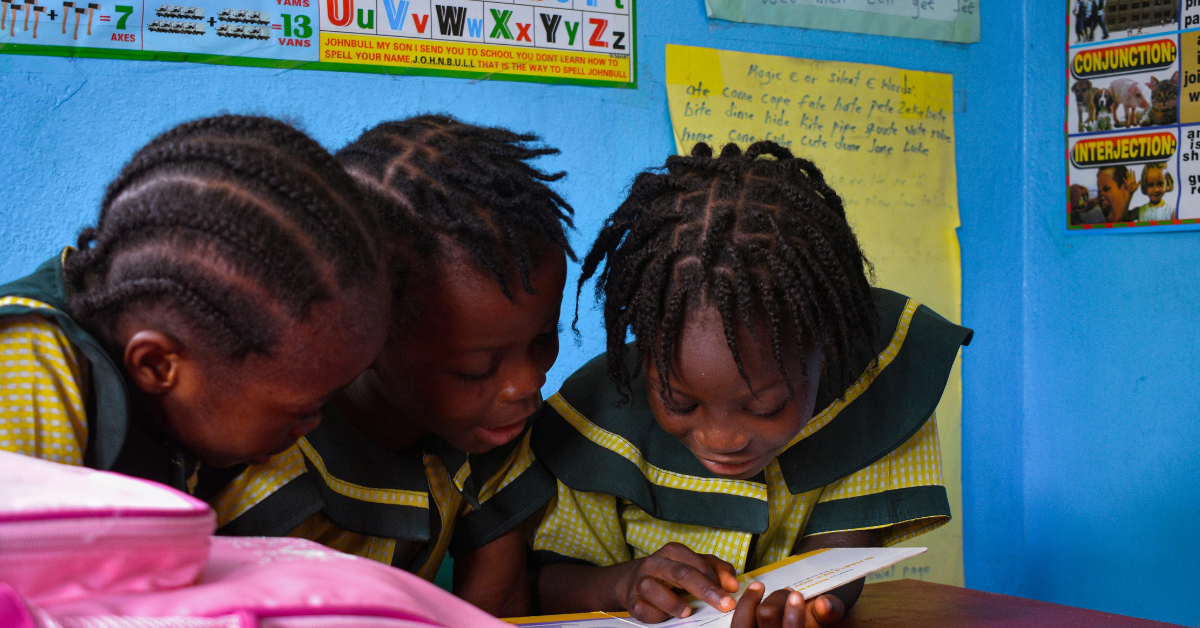
Picture a mother in a remote Kenyan village. She no longer walks kilometres to register her newborn or queue for cash transfers. A quick scan of her digital ID on her phone unlocks health subsidies, school fees, and even farm inputs — all in minutes. This is not a pilot project. It is the quiet power of Digital Public Infrastructure (DPI) at work across the continent.
For too long, Africa’s development conversation has centred on physical roads, ports and power plants. Yet the real infrastructure revolution unfolding today is digital. DPI — the foundational layers of secure digital identity, instant payment systems and interoperable data exchanges — functions exactly like the “rails” of the modern economy. It enables governments, businesses and citizens to connect, transact and deliver services at scale, affordably and transparently.
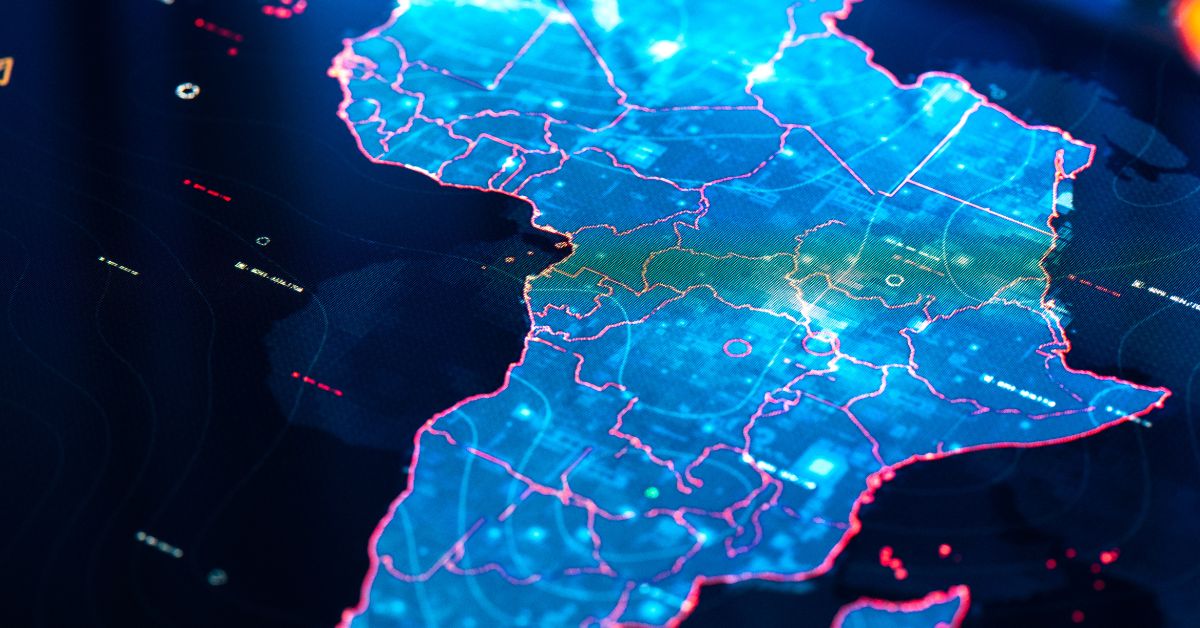
The numbers tell a story of both urgency and opportunity. Africa remains the region with the lowest DPI coverage globally: fewer than half its countries have systems that meet international benchmarks for openness, interoperability and multi-sector use. Digital identity, the bedrock of inclusion, lags worst — rolled out meaningfully in under 10 percent of nations. Yet where DPI has been prioritised, results are dramatic. Rwanda’s Irembo platform now handles more than 100 government services online.
Tanzania’s Jamii stack is integrating ID, payments and data sharing to slash costs for citizens and businesses alike. Nigeria’s National Identification Number and Kenya’s Huduma Namba are linking millions to services, while East Africa’s mobile-money success story continues to lift households out of financial exclusion.
These are not isolated wins. DPI is proving it can close traditional infrastructure gaps faster and cheaper than concrete alone ever could. A farmer in Ghana can receive fertiliser vouchers directly into a mobile wallet. A small business in Côte d’Ivoire can accept payments and file taxes without leaving the market stall. Real-time data exchanges help governments target social protection accurately, cutting leakages that once drained national budgets.
But the road is not smooth. Connectivity remains patchy, digital literacy uneven, and the risks of exclusion real. In Uganda, technical glitches in the national digital ID once barred thousands from healthcare. Privacy concerns and data-sovereignty questions surface whenever foreign tech giants strike billion-dollar deals for data centres, as seen recently in Kenya. Without strong governance — open standards, local ownership, independent oversight — DPI can become a tool of exclusion rather than empowerment.
The encouraging news? Africa is writing its own playbook. Governments are experimenting with open-source solutions that can be adapted across borders. Public-private partnerships are accelerating rollout without ballooning public debt. The African Union and partners such as UNDP and AfricaNenda are championing harmonised policies that turn fragmented national systems into a continent-wide digital single market.
Investors are noticing. When DPI is trustworthy and inclusive, fintech, agritech and healthtech startups flourish. Cross-border trade becomes frictionless. Public services reach the last mile. The economic multiplier effect is enormous: every dollar invested in foundational DPI can unlock multiple dollars in private-sector activity and citizen welfare.
The choice before African leaders is clear. Treat DPI as nice-to-have technology, or recognise it as core infrastructure — as essential as electricity or fibre cables. The latter path demands sustained political will, multi-year budgeting, civil-society scrutiny and community involvement. It also requires building local talent so that the next generation of DPI architects and data stewards are African.
The rails are already being laid. From the bustling streets of Lagos to the savannahs of Tanzania, millions are already moving on them. The question now is simple: will we build them fast enough, openly enough and equitably enough to carry the entire continent forward?
The answer will define Africa’s next decade.