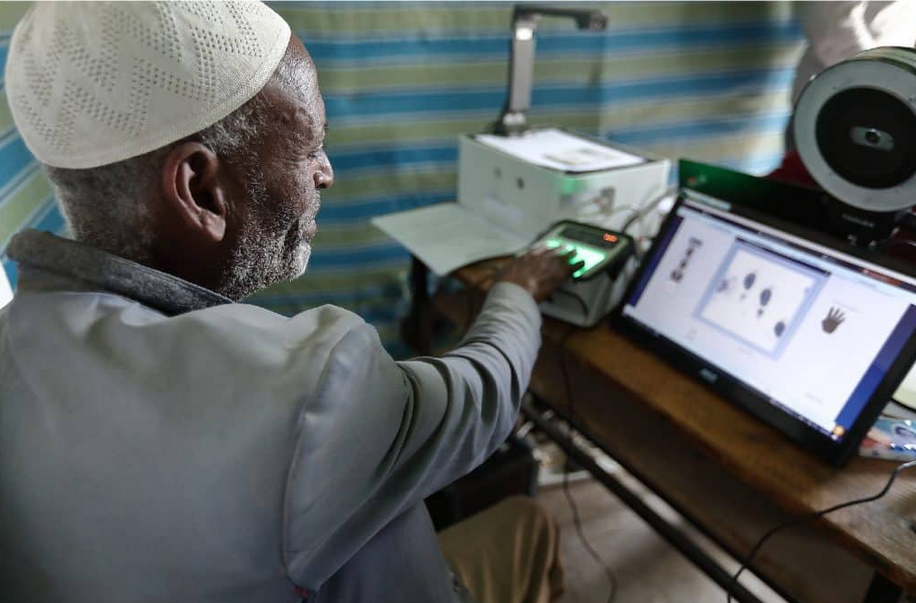
Digital public infrastructure in Kenya is growing rapidly thanks to initiatives like Huduma Namba and M-Pesa, as well as programs like the National Optic Fibre Backbone Infrastructure (NOFBI) and e-Citizen. In this article, we will examine how the Kenyan NOFBI project and e-Citizen platform services have impacted the lives of the country’s citizens.
Let’s begin!
National Optic Fibre Backbone Infrastructure (NOFBI): Transforming Digital Connectivity in Kenya
The National Optic Fibre Backbone Infrastructure (NOFBI) project is a pivotal initiative by the Kenyan government to enhance digital connectivity across the country. Launched to bridge the digital divide, NOFBI plays a crucial role in supporting Kenya’s socio-economic development. This article provides a balanced view of NOFBI, highlighting its successes and challenges while emphasizing its local context and relevance to Kenya’s unique landscape.
How NOFBI is Transforming Kenya’s Digital Landscape
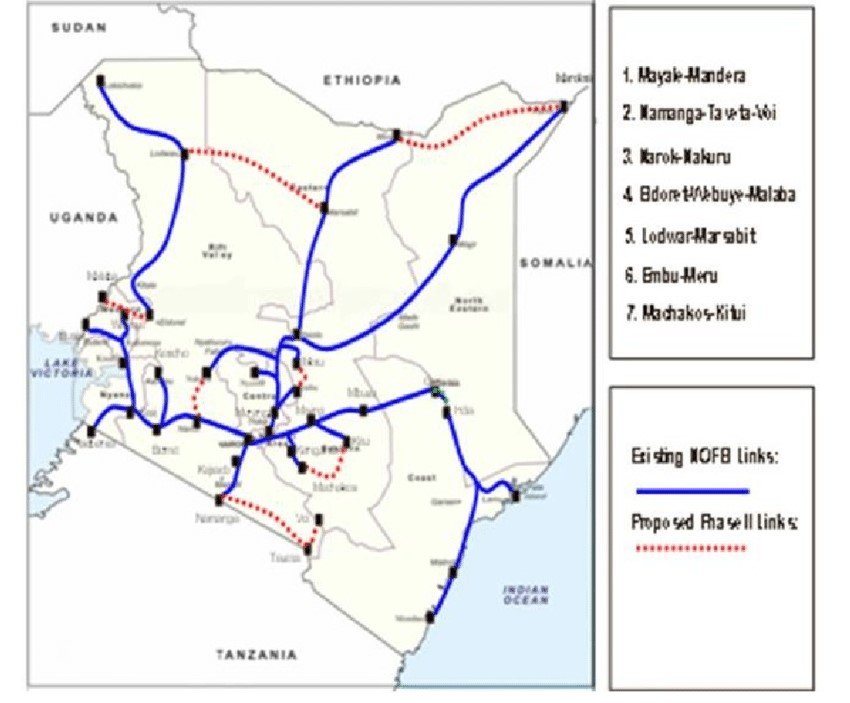
Enhanced Digital Connectivity: NOFBI has significantly improved digital connectivity in Kenya. By laying thousands of kilometers of optic fiber cables across the country, NOFBI has brought high-speed internet access to urban and rural areas. This infrastructure supports various sectors, including education, healthcare, and business, by providing reliable internet connections.
Boost to E-Government Services: The NOFBI project has been instrumental in expanding e-government services. Because of this, government offices nationwide are now interconnected, enabling efficient service delivery and reducing the time and cost of accessing government services. Citizens can now apply for documents, pay taxes, and access other services online, promoting transparency and accountability.
Economic Growth and Job Creation: The deployment of NOFBI has spurred economic growth by attracting investments in the ICT sector. It has created numerous job opportunities, from the installation and maintenance of fiber optic cables to the development of digital services. The increased internet penetration has also enabled the growth of tech startups and innovation hubs, fostering a vibrant digital economy.
Support for Education and Healthcare: NOFBI has transformed education and healthcare in Kenya. Schools and universities can now offer online learning, expanding access to quality education. In healthcare, telemedicine services have become more feasible, allowing remote consultations and access to specialist care. This is particularly beneficial to people who live in rural areas.
While NOFBI has achieved impressive milestones, its full potential is hindered by several ongoing challenges that must be addressed.
NOFBI’s Key Challenges and Opportunities for Growth
High Initial Costs and Funding: Deploying optic fiber infrastructure involves high initial costs. While the government has invested heavily, continuous expansion and maintenance require substantial financial resources and securing adequate funding to do this has been a significant challenge. Attracting private sector investment is crucial to sustaining and expanding the network.
Infrastructure Vandalism and Security: The vandalism and theft of fiber optic cables pose a significant threat to the NOFBI project. Such incidents disrupt connectivity and lead to costly repairs and replacements. Ensuring the security of the infrastructure is vital to maintaining uninterrupted service and protecting the investment.
Technological Challenges and Maintenance: Ensuring the infrastructure is up-to-date with the latest technological advancements is a continuous challenge. Regular maintenance and upgrades are necessary to ensure optimal performance. Additionally, the harsh environmental conditions in certain regions can affect the longevity and reliability of the infrastructure.
Digital Literacy and Adoption: While NOFBI provides the infrastructure for digital connectivity, digital literacy and adoption remain as challenges. Ensuring that citizens can effectively use digital services is crucial for maximizing the benefits of NOFBI. Initiatives to promote digital literacy and increase awareness about the advantages of internet use are essential.
Local Context and Relevance
Bridging the Digital Divide: In Kenya, the digital divide between urban and rural areas has been a significant issue. NOFBI aims to bridge this divide by providing high-speed internet access to remote and underserved areas. This is particularly important for promoting inclusive economic growth and ensuring that all citizens can participate in the digital economy.
Supporting Kenya’s Vision 2030: NOFBI is aligned with Kenya’s Vision 2030, which aims to transform the country into a newly industrialized, middle-income nation. By enhancing digital connectivity, NOFBI supports key pillars of Vision 2030, including economic, social, and political development. It lays the foundation for a knowledge-based economy, fostering innovation and competitiveness.
Conclusion
The National Optic Fibre Backbone Infrastructure (NOFBI) is a transformative project that has significantly enhanced digital connectivity in Kenya. While it faces challenges such as high initial costs, infrastructure security, and digital literacy, its successes in boosting e-government services, supporting economic growth, and improving education and healthcare are commendable. NOFBI is crucial in bridging the digital divide and supporting Kenya’s Vision 2030, making it a cornerstone of the country’s socio-economic development.
E Citizen Platform: Transforming Public Service Delivery in Kenya
The e-Citizen platform is a groundbreaking initiative by the Kenyan government designed to streamline and digitize the delivery of public services. Launched to enhance efficiency, transparency, and accessibility, the e-Citizen platform has revolutionized how citizens interact with government services. This article explores the successes and challenges of e-Citizen, emphasizing its local context and relevance to Kenya’s socio-economic landscape.
e-Citizen: Revolutionizing Public Services in Kenya
The e-Citizen platform provides a wide range of services, making it a one-stop portal for accessing government services online. These services include:
Passport Application and Renewal: Citizens can apply for and renew their passports online, reducing the need for physical visits to government offices.
Driving License Application and Renewal: The platform allows users to apply for new driving licenses, renew existing ones, and book driving tests.
Business Registration: Entrepreneurs can register their businesses, apply for business permits, and manage business compliance requirements.
Land Registration and Services: The platform offers services related to land searches, land registration, and transfers.
Birth and Death Certificates: Citizens can apply for birth and death certificates online.
Marriage Services: Couples can register their marriages and apply for marriage certificates.
Student Loan Applications: The Higher Education Loans Board (HELB) services are accessible, allowing students to apply for and manage their loans.
KRA Services: The Kenya Revenue Authority (KRA) offers tax-related services, including PIN registration, tax returns filing, and compliance certificates.
NTSA Services: The National Transport and Safety Authority (NTSA) provides vehicle registration, inspection booking, and other transport-related services.
How the e-Citizen Platform has Improved Service Delivery

Enhanced Efficiency and Convenience: The e-Citizen platform has significantly enhanced the efficiency and convenience of accessing government services. Citizens no longer need to endure long queues or multiple trips to government offices. Services are available 24/7, allowing users to access them at their convenience.
Improved Transparency and Accountability: By digitizing services, the e-Citizen platform has improved transparency and accountability in public service delivery. The online processes minimize opportunities for corruption and reduce officials’ discretionary power, promoting a fairer and more transparent system.
Cost and Time Savings: The platform has led to substantial cost and time savings for both citizens and the government. Reduced paperwork and streamlined processes have reduced operational costs and administrative burdens, while citizens save on travel expenses and time spent on service access.
Increased Public Trust in Government: The successful implementation of the e-Citizen platform has increased public trust in government services. The platform’s ease of access and reliability have fostered a positive perception of government efficiency and responsiveness.
As the e-Citizen platform continues to streamline access to public services, its success depends on overcoming key hurdles.
e-Citizen’s Key Challenges and Opportunities for Change
Digital Literacy and Access: One of the primary challenges is digital literacy and access. While urban areas have higher internet penetration and digital literacy rates, rural areas lag. Ensuring that all citizens, regardless of their location or educational background, can effectively use the platform is crucial.
Infrastructure and Connectivity Issues: Internet connectivity remains a challenge in some remote and underserved areas. Meanwhile, reliable internet access is essential for the effective use of the e-Citizen platform. Consequently, continuous investment in infrastructure is needed to bridge this gap.
Data Security and Privacy Concerns: As with any digital platform, data security and privacy are critical concerns with the e-Citizen platform. Ensuring that citizens’ personal information is protected from cyber threats and unauthorized access is paramount. Robust cybersecurity measures and policies are necessary to maintain user trust.
Technical Challenges and Maintenance: Maintaining the platform and ensuring it remains up-to-date with technological advancements is an ongoing challenge. Regular updates, bug fixes, and technical support are essential to keep the platform running smoothly and efficiently.

Local Context and Relevance
Bridging the Digital Divide: The e-Citizen platform plays a crucial role in bridging the digital divide in Kenya. By providing online access to essential services, it promotes inclusivity and ensures that all citizens can benefit from digital advancements, regardless of their location.
Supporting Kenya’s Vision 2030: Aligned with Kenya’s Vision 2030, the e-Citizen platform supports the country’s goal of becoming a globally competitive and prosperous nation. By modernizing public service delivery, it contributes to economic growth, social development, and improved governance.
Success Story
One success story that illustrates the impact of the eCitizen platform in Kenya is the digitization of government services, which has significantly improved access to important documents such as birth certificates. This story highlights how the platform has helped Kenyans become more informed and engaged with digital public infrastructure.
Streamlined Access to Birth Certificates
The Challenge
Before the introduction of the eCitizen platform, obtaining a birth certificate in Kenya was a time-consuming and often frustrating process. Citizens had to visit multiple government offices, fill out numerous forms, and endure long waiting times. This inefficiency led to delays in obtaining critical documents, impacting everything from school enrollments to access to healthcare services.
The Solution
The launch of the eCitizen platform revolutionized the process by digitizing the application and issuance of birth certificates. By creating an account on eCitizen, users can apply for a birth certificate online, submit the necessary documents digitally, and track the progress of their application in real time.
The Impact
The digitization of birth certificate applications through eCitizen had a profound impact on Kenyans:
Increased Efficiency: The process of applying for a birth certificate became significantly faster and more efficient. Applications could be completed in minutes, and certificates were often issued within a few days.
Accessibility: By eliminating the need to visit government offices, the eCitizen platform made it easier for citizens, especially those in remote or rural areas, to obtain birth certificates. This increased accessibility ensured that more Kenyans could access essential services.
Transparency and Accountability: The ability to track application progress in real time added a layer of transparency and accountability to the process. Users could see exactly where their application was in the process, reducing the anxiety and uncertainty associated with waiting.
Cost Savings: The reduction in travel and waiting times translated into cost savings for citizens. This was particularly beneficial for low-income families who might otherwise struggle to cover the costs of obtaining a birth certificate through traditional means.
Testimonials
John Mwangi, Nairobi Resident: “Before eCitizen, getting a birth certificate for my children was a nightmare. I had to take time off work and travel long distances to government offices. Now, I can apply online from the comfort of my home, and the process is much faster.”
Grace Wanjiru, Rural Community Member: “Living in a remote area, it was always difficult to get documents like birth certificates. eCitizen has made it so much easier. I no longer have to worry about long trips to government offices.”
Conclusion
The e-Citizen platform is a transformative initiative that has significantly improved public service delivery in Kenya. While it faces challenges such as digital literacy, connectivity, and data security, its successes in enhancing efficiency, transparency, and convenience are commendable. By addressing these challenges and continuing to invest in digital infrastructure, Kenya can further solidify its position as a leader in digital public infrastructure, fostering inclusive growth and development.