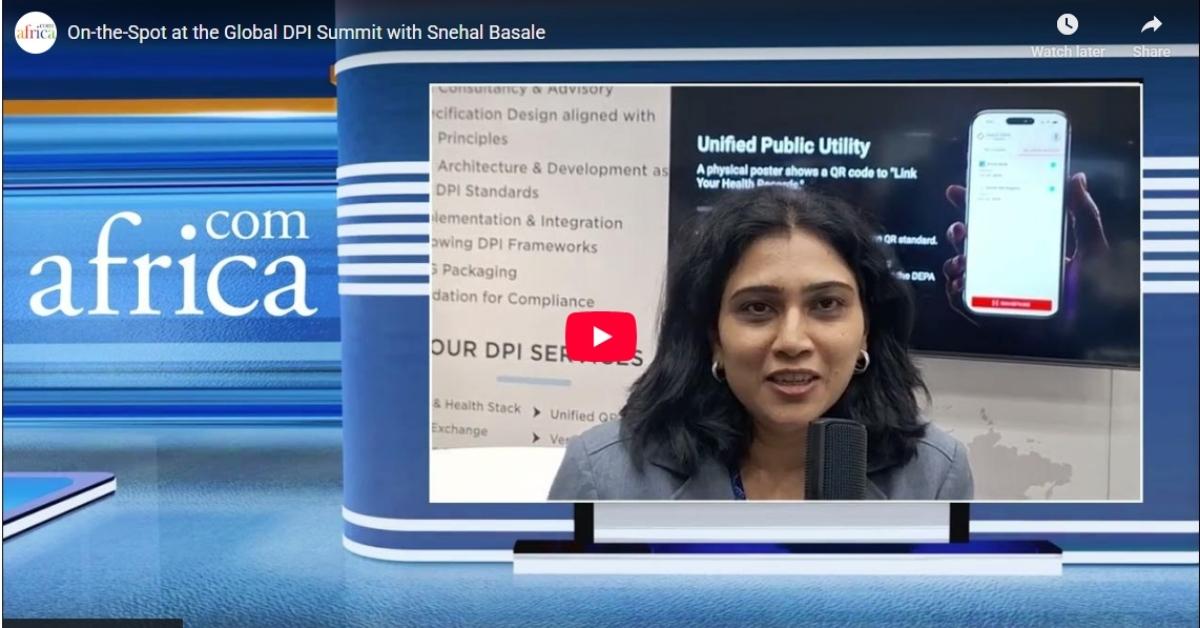
Leading up to our coverage of the Global DPI Summit happening next week in Cairo, Egypt, Africa.com is pleased to present this special edition newsletter on Digital Public Infrastructure (DPI) in Africa curated by Bill & Melinda Gates Foundation’s Head of DPI, Sanjay Jain.
Join us as we highlight DPI in Africa, showcasing the continent’s progress, challenges, and opportunities. Discover how DPI is shaping a more inclusive and sustainable digital future for all.


A Critical Moment in Africa’s Digital Transformation Journey
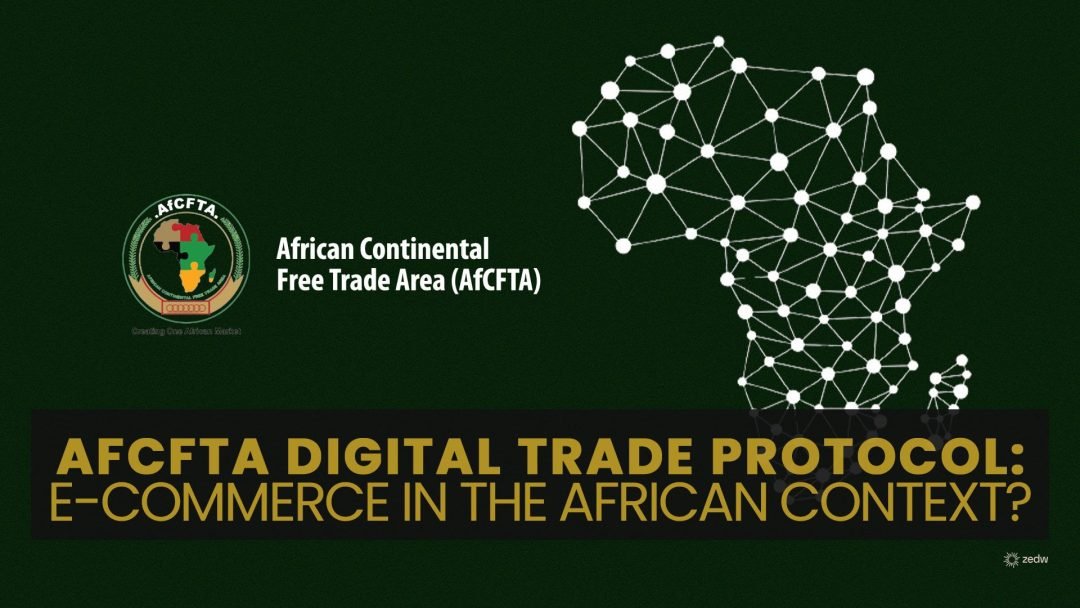
Ahead of the Global DPI Summit in Cairo next week, Wamkele Mene and Amandeep Singh Gill urge leaders to harness the power of digital public infrastructure (DPI) to realize the African Continental Free Trade Area’s vision of a ‘One African Market.’ They emphasize the importance of DPI for inclusive growth and regional economic integration, highlighting the role of society-wide digital systems in creating a more inclusive future.
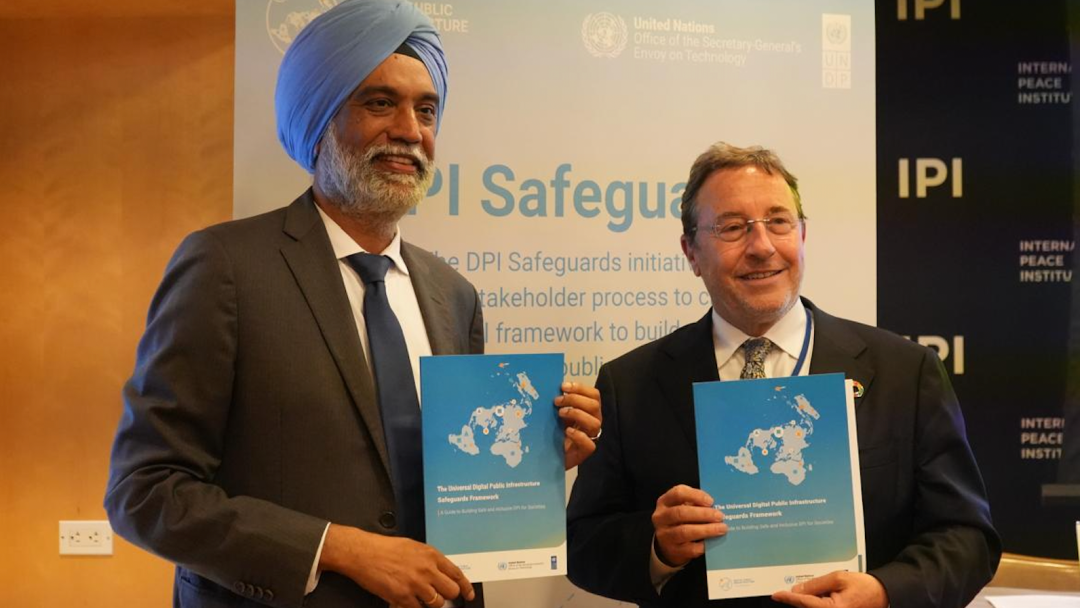

UN Releases Universal DPI Safeguards Framework to Promote Safe and Inclusive Digital Public Infrastructure
The United Nations has unveiled a new framework aimed at ensuring that DPI is developed and implemented in a way that benefits everyone. The Universal DPI Safeguards Framework provides a set of guidelines for countries to mitigate risks, advance the Sustainable Development Goals, and foster trust and equity in DPI implementations. The launch event showcased how countries such as Rwanda and the East African Community are already adopting these principles.
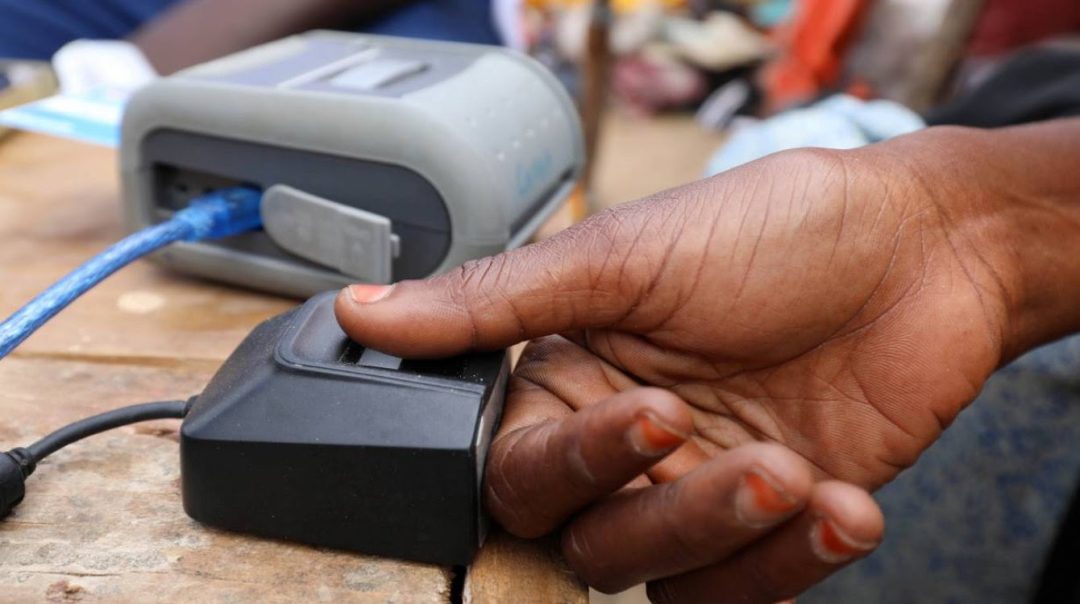

How some Countries in the Global South are Approaching DPI
A new report by the Center for Strategic & International Studies (CSIS) highlights the crucial role of DPI in boosting economic development in the Global South. By enabling citizens to interact with governments and pursue economic opportunities, DPI can boost growth by up to 33% by 2030. The report examines implementation case studies in India, Ukraine, Brazil, and Zambia, offering valuable insights for other countries seeking to build their digital ecosystems.
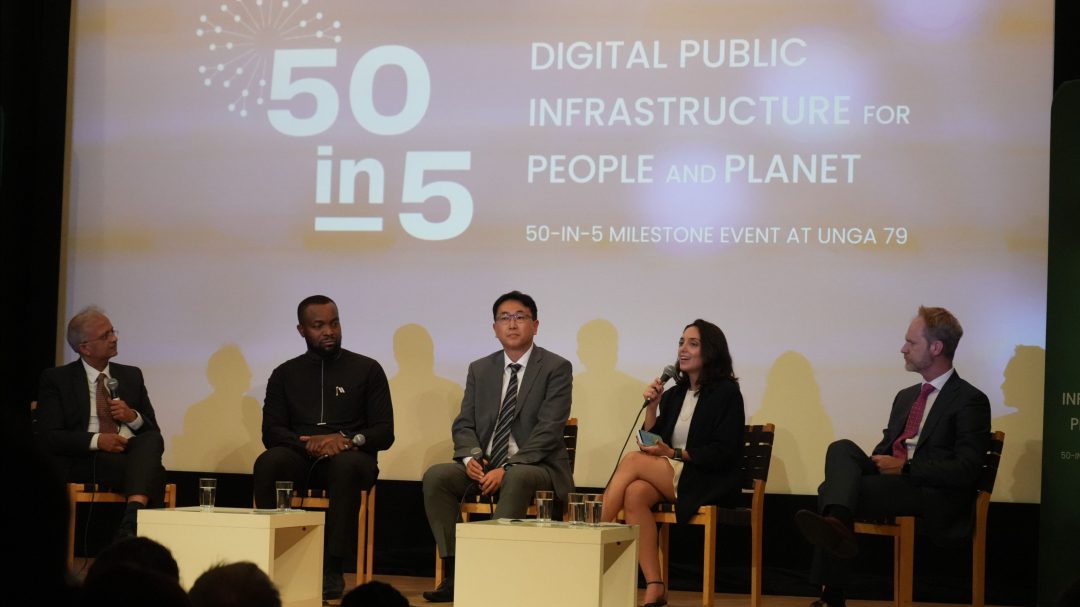

An Initiative to Help 50 Countries Design, Launch, and Scale Components of their Digital Public Infrastructure
The 50-in-5 campaign celebrated its first anniversary at UNGA this week by welcoming six new members including Nigeria, Brazil, and Uruguay. The campaign now comprises 22 participating countries and promotes safe and inclusive DPI implementation, in line with the recently adopted Global Digital Compact. The event featured discussions on DPI’s role in linking to people’s everyday needs and the importance of the Universal DPI Safeguards initiative.
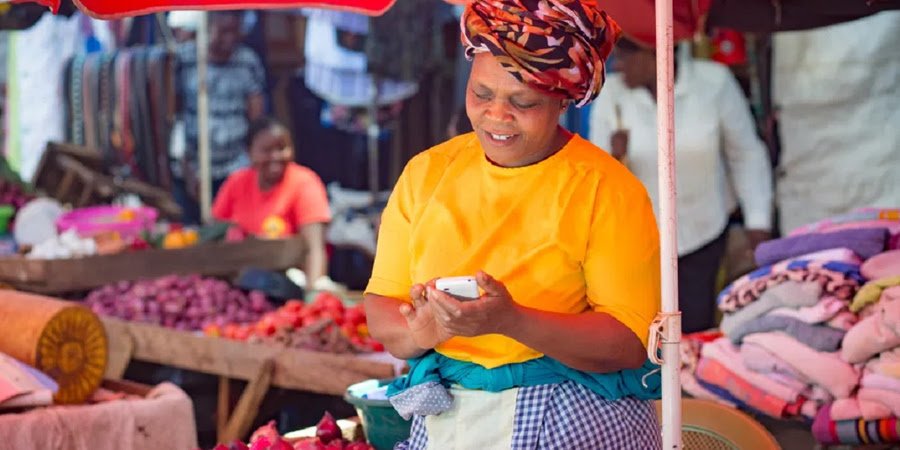

Ensuring that Women are Not Left behind in Africa’s Digital Transformation
Juliana Rotich, CEO of E-Citizen Solutions Africa, and Sabine Mensah, Deputy CEO of AfricaNenda, look at how DPI is crucial for empowering women in Africa. By providing access to digital identity, payment systems, and data exchange, DPI can improve service delivery and unlock women’s economic potential. They conclude that governments need to invest in DPI and create supportive policies to ensure women benefit from this digital transformation.
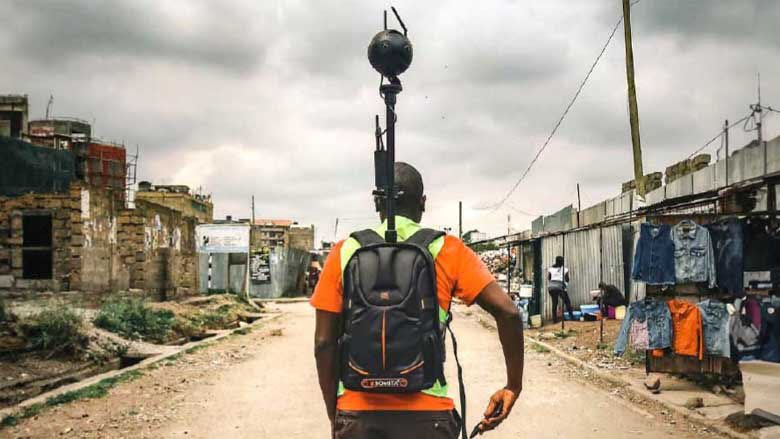

The World Bank’s Track Record in Delivering Digitalization Projects in Africa
The World Bank supports countries in Sub-Saharan Africa to build vibrant, safe, and inclusive digital economies. Despite challenges, the region has made significant strides in digital development, with millions gaining access to the internet and digital services. To accelerate digital transformation, the World Bank focuses on affordable broadband, inclusive and safe DPI, and building in-demand digital job skills.
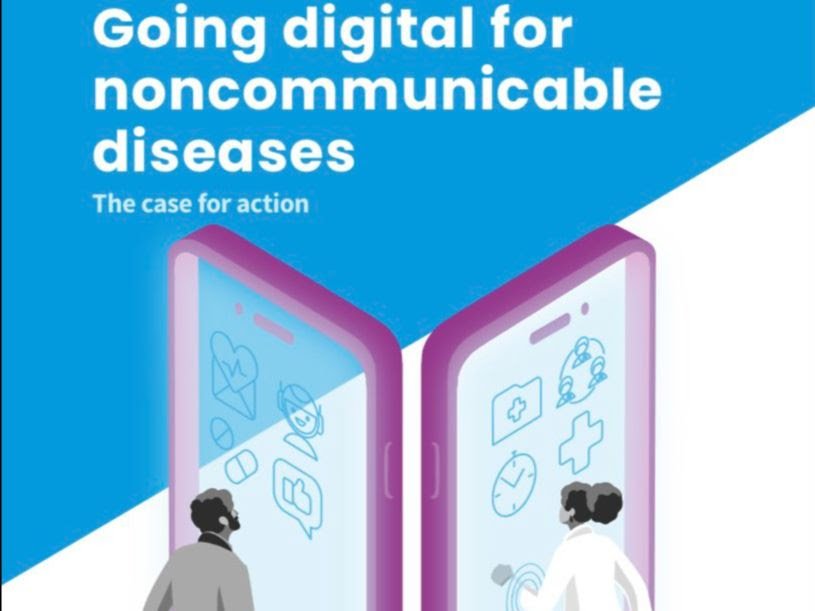

The Digital Revolution has the Potential to Unleash a Health Revolution
A new report by WHO and ITU calls for increased investment in digital health interventions to combat non-communicable diseases. By investing just $0.24 per patient per year, over 2 million lives could be saved and 7 million acute events averted. Digital tools can support individuals in managing health risks and accessing care. Governments are urged to invest in digital public infrastructure to realize the full potential of digital health.


Zambia is Well on the Path to Emerge as a Beacon of Progress in the Digital Landscape
Zambia is actively working to transform its ICT and innovation ecosystem by leveraging DPI to empower its residents, enhance government services, and foster economic growth. One significant use case lies in optimizing social security remittances to beneficiaries. Through secure and efficient digital payment systems, beneficiaries can receive their entitlements promptly, reducing delays and ensuring financial stability for vulnerable populations. This will ensure timely support to those who need it most.
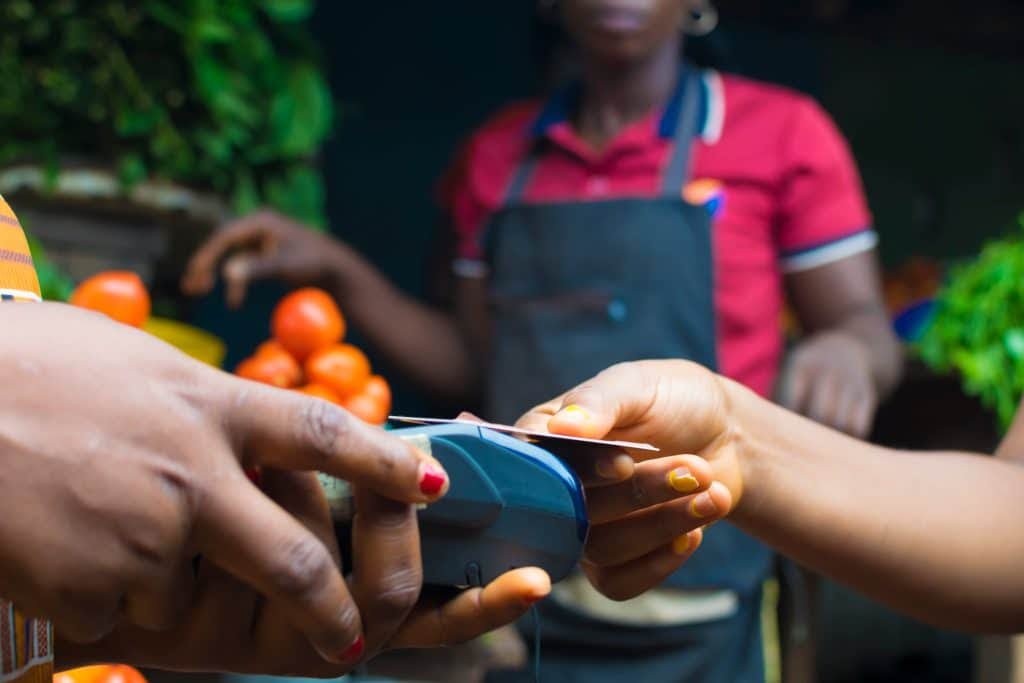

Advancing Africa’s Digital Future: Harnessing Digital Public Infrastructure for Inclusion and Rights
A new Paradigm Initiative paper looks at the importance of DPI for the continent, as a pathway to socio-economic development and an enabler of the African Union’s Agenda 2063 and Digital Compass. It highlights that safeguarding digital rights will be essential to build public trust and ensure inclusive participation in the digital economy and recommends building greater collaboration between countries and stakeholders and pursuing initiatives aimed at harmonizing DPI standards.


A Useful Record of how DPI is Changing the Face of the Digital Economy
GovInsider’s new report delves into how DPI is reshaping the digital economy and empowering marginalized communities. Through interviews with key leaders, it examines the principles for building sustainable, inclusive, DPI, and the practical steps for implementation. DPI, encompassing digital identity, payments, and data exchange, offers a foundation for interoperable technology that benefits both private and public sectors. This approach is increasingly seen as crucial for whole-of-society digital transformation.
Join us in following the progress of Digital Public Infrastructure (DPI) in Africa!
Click below to sign up for our newsletter to learn how DPI is transforming public services, financial systems, health, education, and more across Africa.