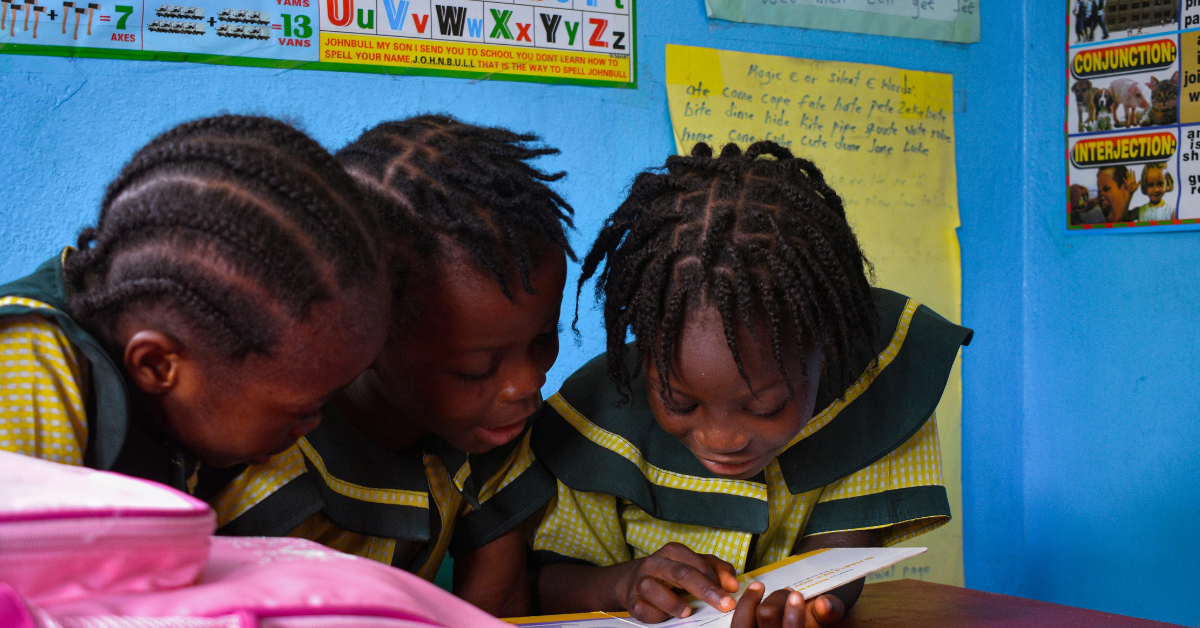
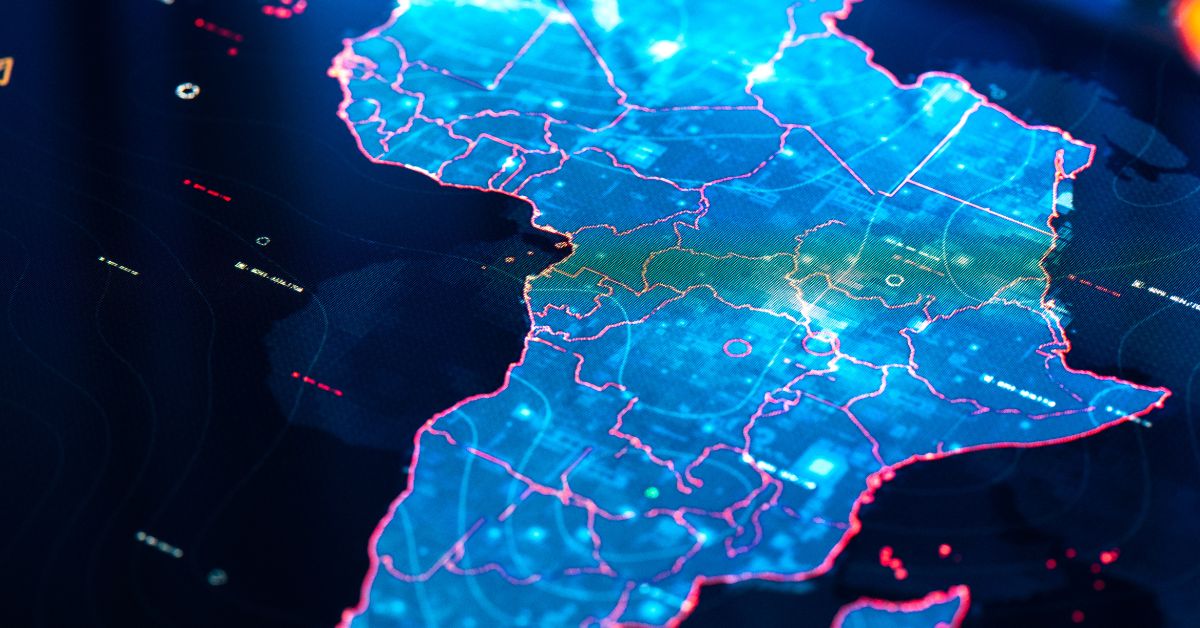
In the heart of a refugee camp in Malawi, a young mother receives personalized healthcare advice in her native language—without ever seeing a doctor. In northern Kenya, displaced families access emergency funds through secure digital wallets, no paperwork required. And in a crowded urban center in Lagos, local governments detect fraud in aid distribution before it happens, thanks to real-time algorithms.
This isn’t a vision of the future. It’s the beginning of a technological revolution reshaping how we respond to crises across Africa.
At the core of this transformation is the powerful convergence of Artificial Intelligence (AI) and Digital Public Infrastructure (DPI)—a partnership that, if handled with care, could redefine what inclusion, efficiency, and dignity look like in humanitarian aid
The Shift: From Analog Aid to Intelligent Infrastructure
Africa has long been a testing ground for innovation born of necessity. Mobile money leapfrogged traditional banking. Offline learning apps serve remote schools. Now, AI-enhanced DPI could be the next leap.
DPI refers to the foundational systems that enable digital governance: digital IDs, payment platforms, and data exchange layers. When fused with AI, these systems can not only scale public services, but personalize them—responding to the actual needs of each individual, even in hard-to-reach, resource-constrained environments.
Imagine AI-driven systems that:
Translate refugee registration forms into 20+ local dialects on the spot.
Flag anomalies in aid distribution to prevent fraud before it drains resources.
Tailor livelihood programs based on data patterns in migration, weather, and food prices.
For African countries grappling with economic fragility, conflict, and climate shocks, this is more than digital transformation. It’s digital justice.
Three Ways AI + DPI Is Already Shaping Change
1. Breaking Down Barriers to Access
Language, literacy, and geography have historically excluded millions from public services. AI-powered translation, voice assistants, and intuitive chatbots built on DPI platforms can help bridge this divide. India’s Bhashini project offers a powerful model—but Africa’s linguistic richness presents an even greater opportunity (and challenge) to localize these tools.
2. Leapfrogging Bureaucracy
Building traditional infrastructure is costly and time-consuming. AI-enhanced DPI allows governments and NGOs to deliver aid and services digitally, cutting through red tape and inefficiency. Think of it as replacing long lines and missing forms with instant digital verification and smart allocation of resources.
3. Driving Down Costs for Long-Term Sustainability
Contrary to popular belief, integrating AI doesn’t always mean massive budgets. When thoughtfully designed, small-scale AI models—especially those used for fraud detection or beneficiary matching—can reduce overhead and improve accuracy, making humanitarian aid more sustainable in the long run.
But Let’s Be Clear: The Risks Are Real
This isn’t a silver bullet—and the stakes are high. Rolling out AI into sensitive public infrastructure raises serious questions around ethics, data governance, and equity.
High Inference Costs: Running advanced AI models can drain computing resources. Solutions must be energy-efficient and financially feasible in low-connectivity areas.
Compatibility Headaches: Many African government systems still rely on outdated platforms. Interoperability between AI tools and legacy DPI systems is essential—but complex.
Data Privacy Concerns: DPI systems often hold sensitive personal data. Using this for AI training or decision-making demands strong frameworks for consent, protection, and transparency. One breach could erode decades of trust.
The Way Forward: Responsible Innovation Rooted in Africa’s Realities
So how do we unlock the promise of AI + DPI without repeating the mistakes of the past?
Start Local, Scale Thoughtfully
Don’t deploy flashy AI tools just for tech’s sake. Pilot practical use cases in local contexts—like refugee camps, remote clinics, or urban food programs—and refine based on community feedback.
Design for Everyone
Build systems that work in low-connectivity areas, support local languages, and are accessible to users with low literacy. Inclusion isn’t a feature—it’s the foundation.
Collaborate Across Sectors
Tech companies, humanitarian groups, governments, and local developers must co-create these tools. Africa’s challenges can’t be solved by imported models alone—they require co-designed, culturally attuned solutions.
Make Trust a Non-Negotiable
Transparency around how AI is used, who has access to data, and what protections are in place isn’t optional. It’s the bedrock of adoption.
Final Word: A Tech-Driven Future Must Still Be Human-First
In the end, AI and DPI are just tools. What matters is how we use them—and who we build them for.
If done right, Africa has the chance to shape a new model of humanitarian response: one that’s fast, fair, and fundamentally human. The kind of system where every person—whether in a remote village, a refugee camp, or a bustling city—can be seen, heard, and served with dignity.
The blueprint is forming. The code is being written. The future is calling.
And this time, Africa is not just catching up—it’s leading the way.