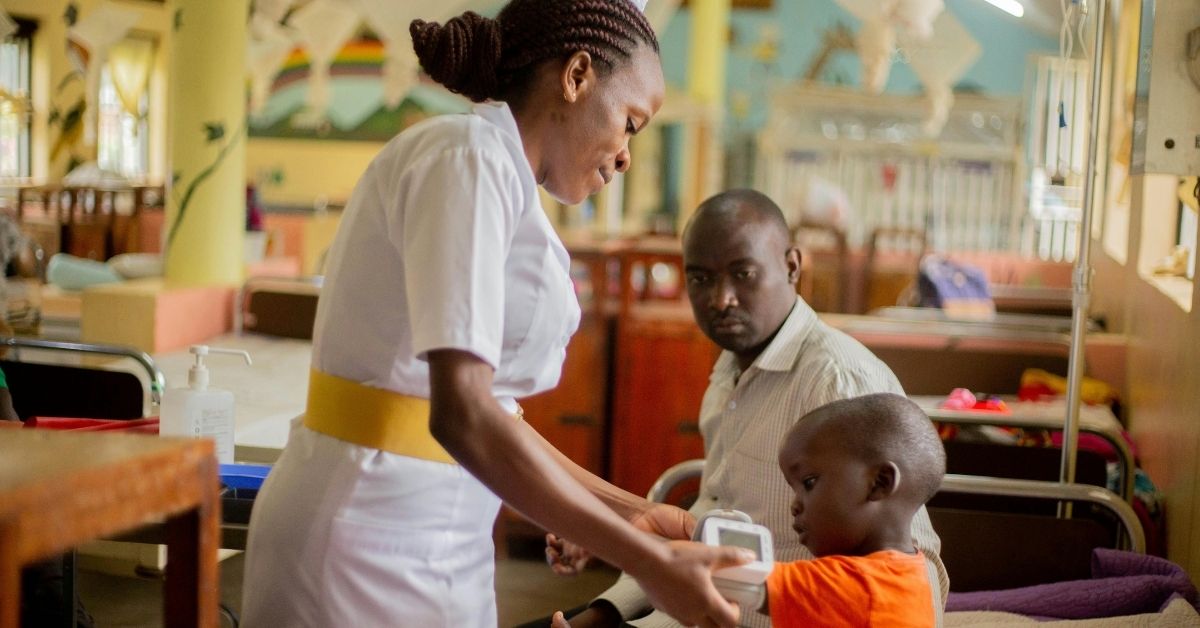
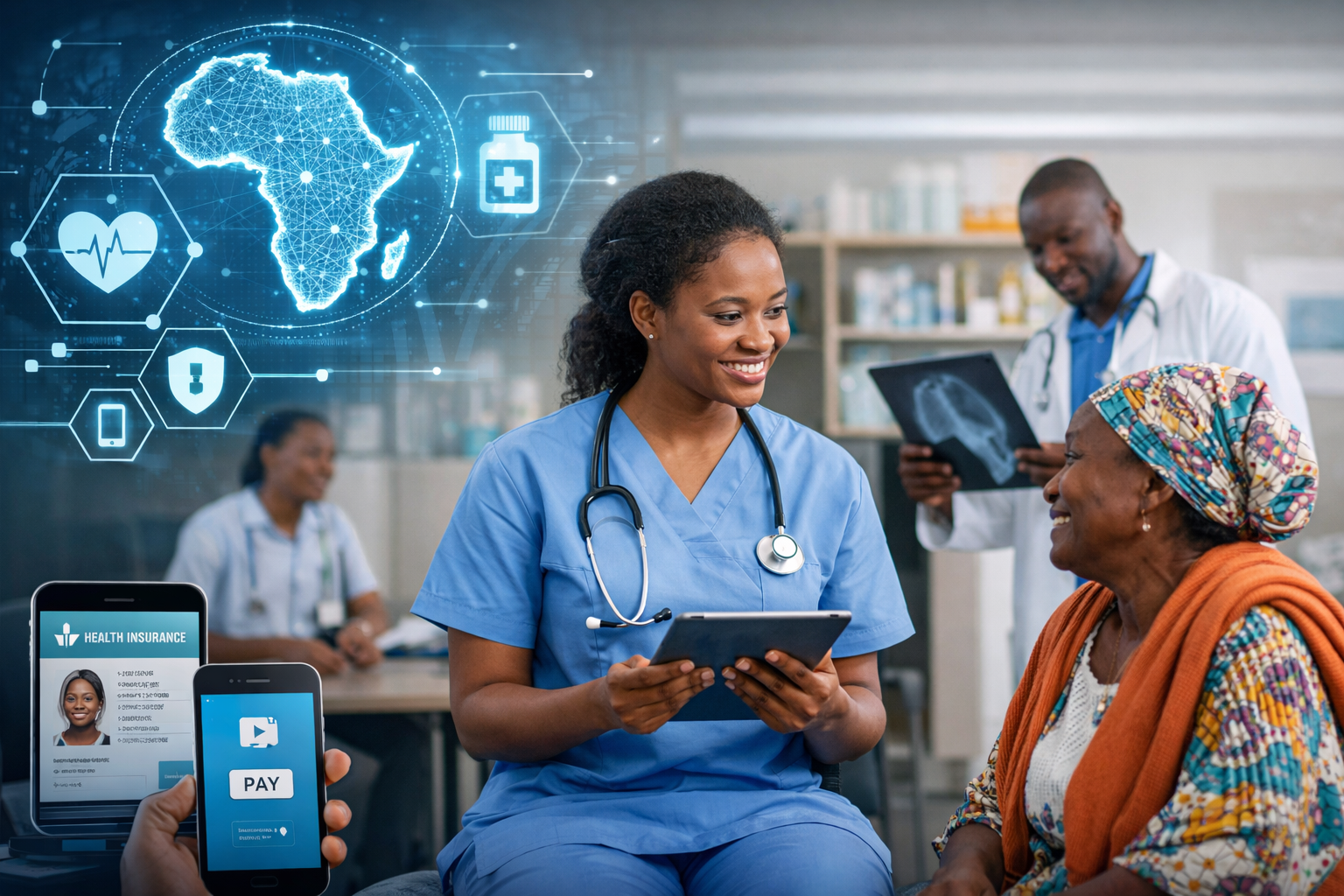
In many African cities and villages, a trip to the hospital has long meant waiting in long queues, carrying stacks of paper files, and often traveling far for even the most basic services. But a quiet revolution is underway. Across the continent, digital public infrastructure (DPI) is transforming how healthcare is delivered — making access faster, safer, and more inclusive.
From paper trails to digital health records
One of the clearest signs of change is the rise of electronic health records. Instead of patients carrying dog-eared files from clinic to clinic, DPI frameworks allow health systems to securely store, update, and share patient data in real time.
In Rwanda, the government-backed Irembo platform has already digitized essential services, and health data is increasingly being integrated into this system. Kenya’s AfyaKE digital health records initiative is another bold step toward ensuring that a patient in Kisumu can be treated with the same accuracy as one in Nairobi — without repeating tests or losing critical information.
The result is simple yet profound: fewer medical errors, faster diagnosis, and better continuity of care.
Telemedicine powered by DPI
Africa’s geography has always posed challenges for healthcare delivery. A mother in rural Niger or a farmer in northern Mozambique may live hours away from the nearest clinic. DPI-powered telemedicine platforms are closing that gap.
By combining secure digital identity systems, interoperable payment rails, and reliable connectivity, governments and innovators are making it possible for patients to consult doctors through their phones. Nigeria’s Hudibia app and Ghana’s telehealth pilots have shown that with the right infrastructure, specialist advice can reach even the most remote communities.
For rural families, this means health advice no longer depends on physical proximity — it is just a few clicks away.
Data that saves lives
DPI is not just about individual care; it is also about collective protection. During the COVID-19 pandemic, African countries with digital health surveillance systems were able to track outbreaks faster and distribute vaccines more effectively.
Today, that same infrastructure is being repurposed to fight malaria, monitor maternal health, and anticipate climate-driven disease outbreaks. For example, Uganda’s use of real-time data collection has helped predict malaria surges, allowing quicker distribution of bed nets and medicines where they are needed most.
By linking national health registries with civil registration and identification systems, Africa is building the data pipelines that allow policymakers to act before a crisis spirals out of control.
Building trust and inclusivity
Of course, technology alone is not enough. Trust, accessibility, and equity remain at the heart of successful DPI. Health systems must ensure that rural clinics, low-income families, and marginalized groups are not left behind.
This is where Africa has a unique advantage. Many of the continent’s DPI projects — from Nigeria’s NIN digital ID system to South Africa’s e-Health strategy — are being designed with inclusivity as a guiding principle. When people trust that their data is safe, private, and used for public good, they are more willing to embrace digital health services.
The future of African healthcare
Digital public infrastructure is quietly rewriting the story of African healthcare. It is ensuring that a child in rural Malawi has the same right to timely care as one in Johannesburg. It is helping doctors spend less time on paperwork and more time with patients. And it is giving policymakers the tools to prevent health crises instead of merely reacting to them.
Africa’s health challenges remain vast, but so is its spirit of innovation. By investing in DPI, the continent is not just catching up with the world — it is charting its own path toward a healthier, more connected future.