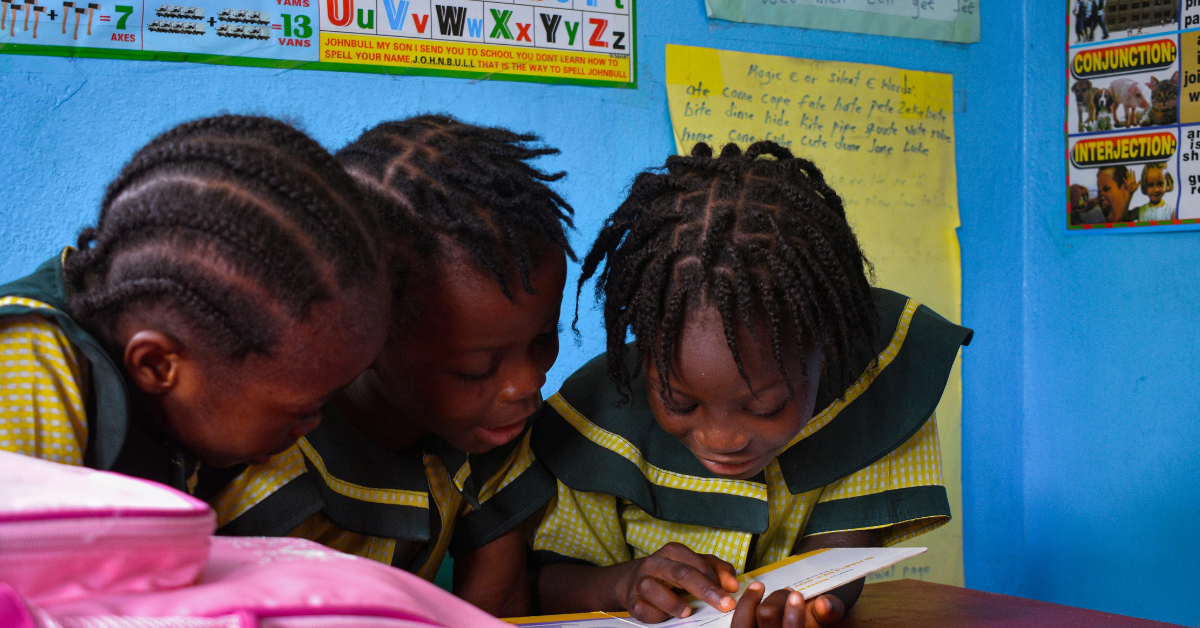
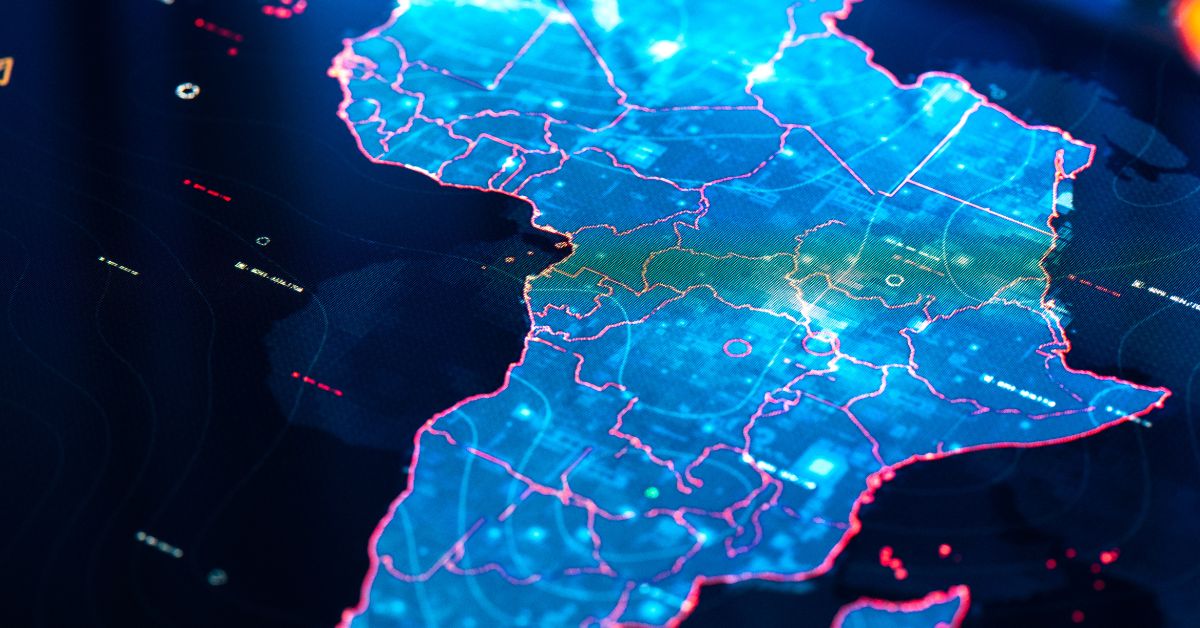
In the bustling classrooms of rural Rwanda and the crowded schools of Nairobi’s informal settlements, a quiet revolution is underway. Digital Public Infrastructure (DPI) — the foundational trio of digital identity, payments, and data exchange — is transforming education from a privilege into a right. Across Africa, where over 100 million children remain out of school, DPI is providing the digital backbone to enroll students, track progress, and deliver personalized learning at scale.
At its core, DPI’s digital identity layer is the game-changer. Countries like Nigeria’s National Identity Management Commission (NIN) and Kenya’s Huduma Namba have enrolled millions, allowing seamless school registration without endless paperwork. A child in Lagos can now prove their age and residency instantly, cutting dropout rates linked to bureaucratic hurdles. Rwanda’s integrated civil registration system links birth records to school enrollment, ensuring no child slips through the cracks. These IDs don’t just verify existence — they open doors to subsidies, scholarships, and targeted interventions.
Data exchange platforms amplify this impact. Real-time dashboards, built on DPI foundations, let ministries monitor attendance, teacher deployment, and learning outcomes. In Kenya’s Digital Literacy Programme (DLP), students receive tablets loaded with curriculum aligned to the Competency-Based Curriculum. Teachers access shared data to tailor lessons, while governments spot regional gaps early. Rwanda’s Smart Africa Initiative has distributed devices in schools and launched coding bootcamps, boosting digital skills proficiency by 40% among youth participants. The ITU-UNICEF Giga initiative complements this by mapping and connecting thousands of African schools to the internet, turning DPI into high-speed learning highways.
The results are measurable. Inclusive enrollment surges as digital IDs enable cash transfers for girls’ education or fee waivers for vulnerable families. Personalized AI-driven tools, powered by secure data exchange, adapt content to individual needs — from Kiswahili literacy apps in Tanzania to math modules in Ghana. Mobile money integration via DPI payments ensures timely disbursement of school grants, reducing leakages that once plagued traditional systems.
Yet challenges persist. The digital divide remains stark: rural connectivity lags, and data privacy fears loom large. Safeguards like consent-based data sharing and ethical governance are critical to prevent exclusion. Countries such as Ghana and South Africa are piloting DPI roadmaps with strong privacy frameworks, proving inclusion is possible when safeguards lead.
Looking ahead, DPI is fueling AI in education. Continent-wide interoperable learning identities could deliver adaptive platforms to millions, bridging language barriers and skill gaps. Partnerships like India’s e-VidyaBharati tele-education extend high-quality content to African learners via satellite. As AfricaNenda and Co-Develop support more nations, DPI is not just infrastructure — it’s the foundation for an educated, empowered generation.
From identity verification in Ethiopian schools to data-driven policy in Zambia, DPI is rewriting Africa’s education story. The classroom of tomorrow starts with a secure digital ID today — and the future looks brighter than ever.