In the rolling highlands of Lesotho’s Mafeteng District, life in villages like that of the Matokele family still follows a familiar rhythm. Children herd sheep along dusty paths, families draw water from communal wells, and evenings end around crackling fires outside stone rondavels. Tradition runs deep here. Yet quietly, a digital transformation is changing how families access support—and how the country protects its youngest citizens.
For many rural households, social protection programmes such as child grants, food assistance, and health services are a lifeline. As these services move online, they bring new opportunities for efficiency and reach. They also introduce new risks. Personal data from some of Lesotho’s most vulnerable communities is now stored in national systems, often accessed in areas with limited connectivity and low digital literacy. Without strong safeguards, that data could be misused or exposed, threatening both privacy and access to essential support.
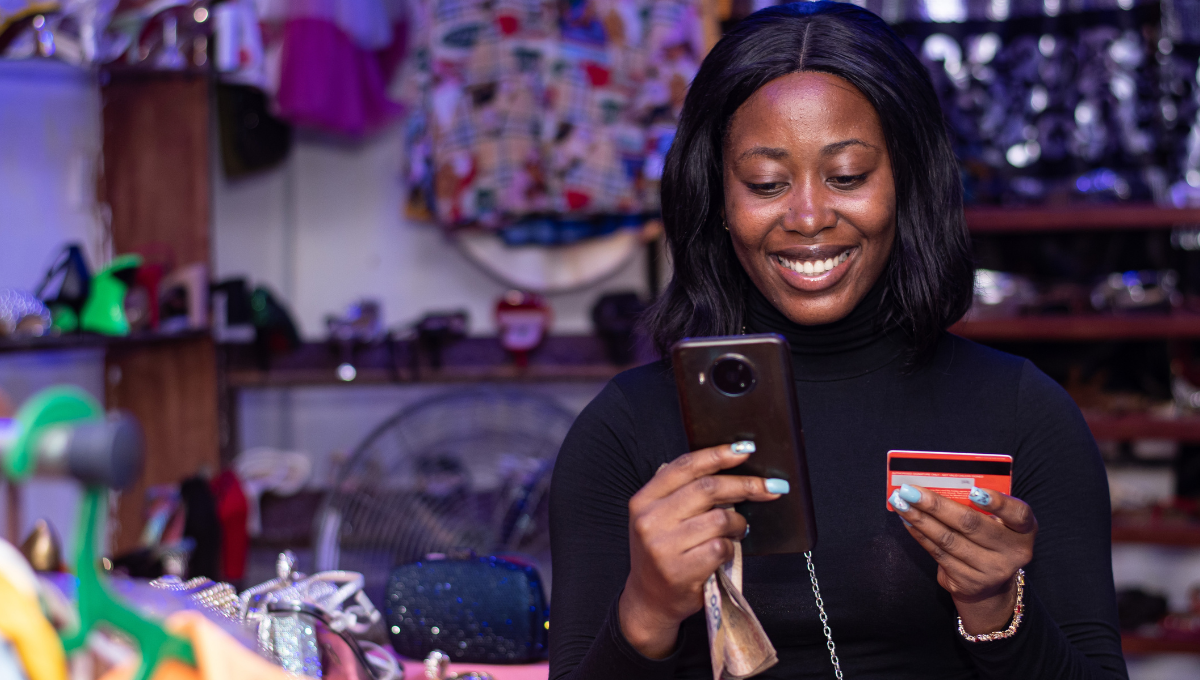
For Matokele Ranteme, those risks are not front of mind. When she receives a message on her phone about her grandchild’s social support, she thinks about school fees paid on time and food on the table. “I don’t think about technology,” she says. “I think about my grandchildren being taken care of.”
Behind that simple interaction lies one of Lesotho’s most ambitious reforms. With support from UNICEF and the Co-Develop Fund, the government is redesigning its digital public infrastructure (DPI) to put children’s rights at the centre. A cornerstone of this effort is the National Information System for Social Assistance (NISSA), a social registry that holds data on more than ninety percent of households nationwide. By categorising families based on vulnerability, NISSA helps the government direct support where it is needed most.
But scale alone is not enough. The challenge is ensuring that systems like NISSA are efficient without being exclusionary, and secure without being inaccessible. “We’re not just building technology,” says Bob Muchabaiwa, UNICEF Lesotho’s Chief of Social Policy. “We’re building trust. That starts with asking who might be left out, and who might be harmed.”
To answer those questions, Lesotho is applying the Universal DPI Safeguards Framework, a set of principles that guide governments to design digital systems that are fair, inclusive, and safe from the outset. The safeguards aim to prevent children from being excluded because they lack documentation, live with disabilities, or reside in hard-to-reach areas. They also strengthen protections around how children’s data is collected, stored, and used.
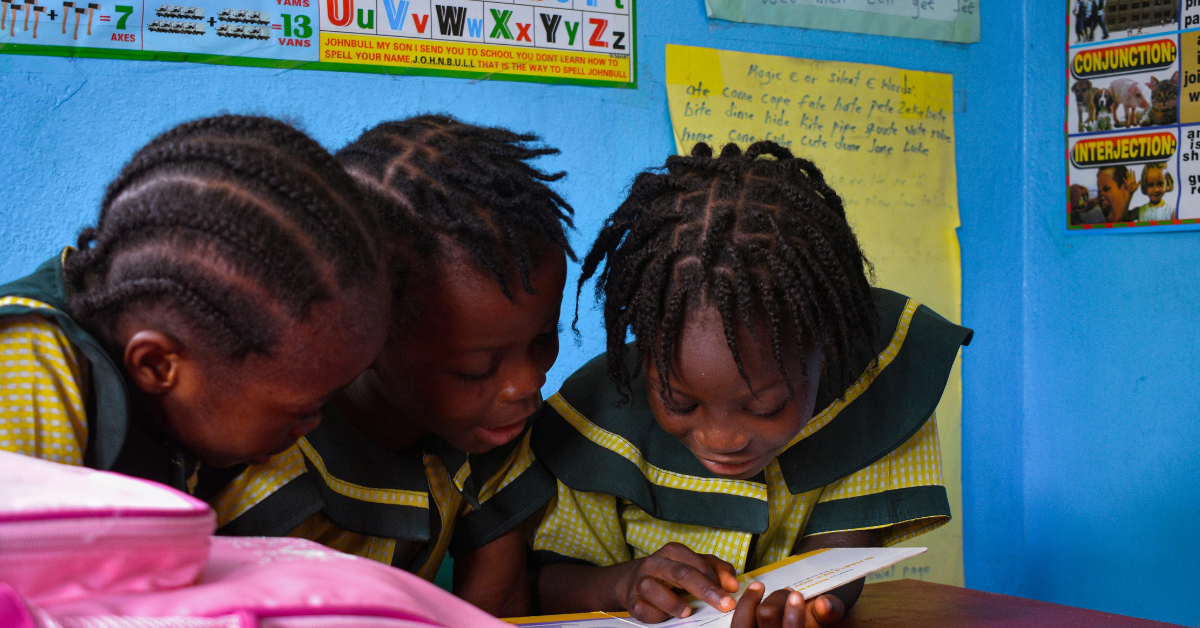
The impact is already tangible. Matokele no longer spends hours and money travelling to government offices. “I can do it from my phone now,” she says. “And I know it’s safe.” Her granddaughter, Katleho, is back in school and dreaming big. “I like Science, Math, and English,” she says. “When I grow up, I want to be a doctor.”
Government leaders see the effort as both a learning journey and a long-term investment. “We are taking a holistic approach,” says Kanono Ramashande, Principal Secretary in the Ministry of Communication. “UNICEF introduced us to the concept of DPI, and as we pilot and expand these systems, we are working closely with them to develop our own local safeguards framework.”
For UNICEF, Lesotho’s work offers a model for ethical digital development across Africa. “Digital transformation must be inclusive from the start,” says Deepak Bhaskaran, UNICEF Representative in Lesotho. “These safeguards ensure that families can access services with confidence and dignity, and that no child is left behind.”
As other countries in the region explore similar reforms, Lesotho’s experience sends a clear message: when children are placed at the heart of digital design, technology becomes a bridge to opportunity, not a barrier.