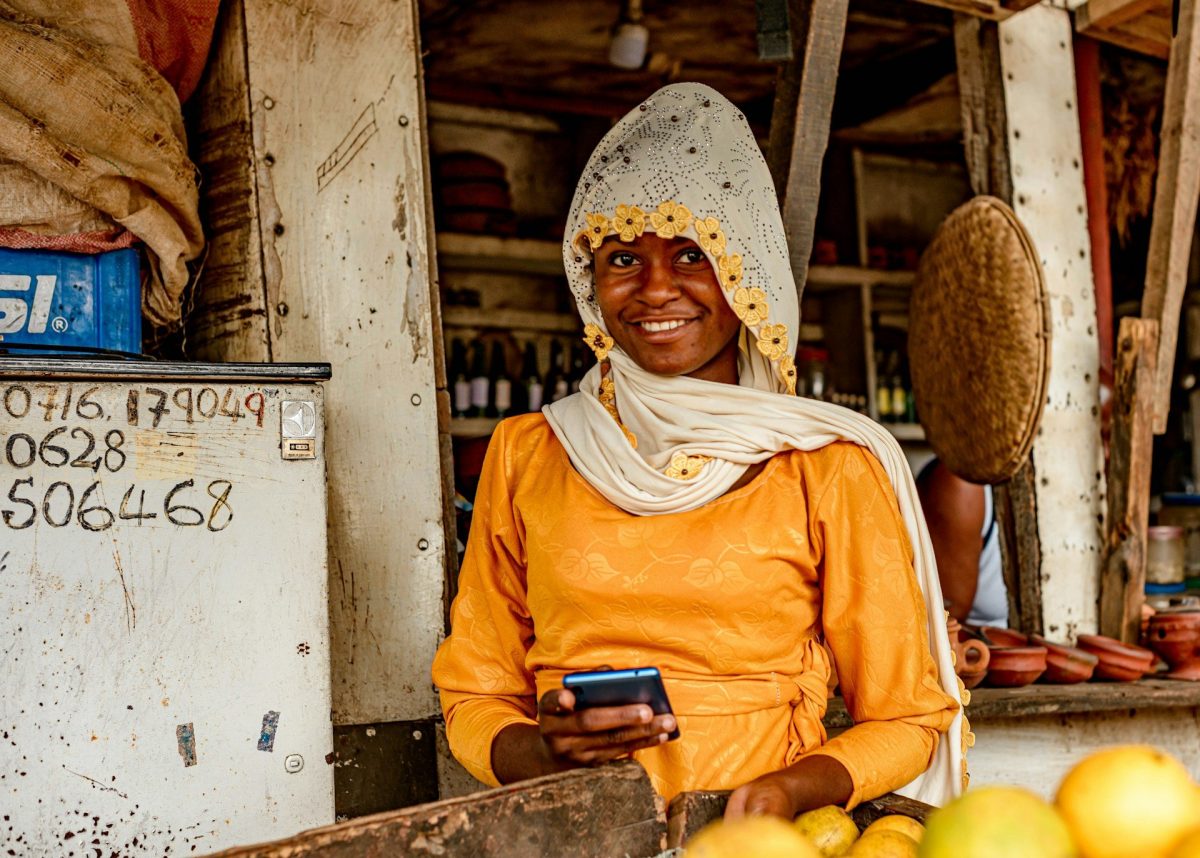
Africa already runs one of the most advanced mobile payment ecosystems in the world. What it hasn't fully built yet is the infrastructure layer underneath that ecosystem — the identity systems, data-sharing rules, and interoperable rails that determine whether fintech can grow past payments into credit, insurance, and cross-border trade.
The Numbers Behind the Push
A 2026 Boston Consulting Group report projects African fintech revenue could climb from roughly $10 billion to more than $65 billion by 2030 — a sixfold jump driven by urbanization, a population set to pass 1.7 billion, and smartphone penetration heading past 50 percent. But the same report is blunt about the constraint: fewer than 10 percent of African fintechs currently have access to comprehensive, interoperable data systems. Without that, the sector risks staying high-volume but low-value — moving lots of money without building the credit and insurance products that create deeper financial inclusion.
What Interoperability Actually Buys
BCG's analysis points to real-time payment rails, national ID systems, and standardized APIs as the foundation the next wave of growth depends on. The logic is straightforward: a fintech can only underwrite a loan, verify a customer, or settle a cross-border payment as fast as the systems around it allow. Fully interoperable cross-border payment systems could cut transaction costs by up to half, according to industry estimates — a meaningful number for a continent trying to make the African Continental Free Trade Area work in practice, not just on paper.
Rwanda and the DPI-First Model
Rwanda has become something of a reference case. Financial inclusion there sits at 85.3 percent of adults, but officials are increasingly framing the next phase not as a fintech problem but an infrastructure one. At March's Inclusive FinTech Forum in Kigali, the Ministry of ICT and Innovation argued that fintech's reach into underserved populations depends less on new apps and more on the shared digital systems those apps sit on top of. Rwanda is also using regulatory tools like licence passporting with Kenya to cut duplication for fintechs operating across both markets — a small but telling example of infrastructure and regulation moving together.
The Exclusion Gap Hasn't Closed
As of 2022, roughly 420 million adults in Africa remained financially excluded, per World Bank figures. Mobile money has narrowed that gap dramatically, but fragmentation is still doing damage — most lending on the continent still happens through informal channels, partly because credit bureaus are weak and most SMEs are thin-file, meaning there isn't enough digital financial history to underwrite them properly. Alternative data sources like mobile usage and utility payments are starting to fill that gap, but only where the underlying data-sharing infrastructure exists to make that data usable across institutions.
What to Watch
The direction is clear even if the pace varies by country: open banking frameworks, national payment switches like Ethiopia's newly launched instant payment system, and cross-border initiatives like PAPSS are the pieces regulators are betting on. The fintech story in Africa for the rest of this decade won't be decided by app downloads. It will be decided by whether the rails underneath — identity, data, and payments — get built to actually connect.