For years, Africa’s $450 billion financing gap for households and small businesses felt immovable. The African Development Bank’s 2024 estimate captured a stubborn reality: limited collateral, invisible credit histories, and costly verification locked millions out of opportunity.
Yet across the continent, something remarkable has been unfolding — quietly, steadily, and at population scale. Digital Public Infrastructure (DPI) is rewriting who gets counted, who gets trusted, and who gets financed.
This shift isn’t about cheaper loans or more aid. It’s about identity, transaction history, and instant payments becoming engines of inclusion — transforming everyday digital footprints into creditworthiness.
The old equation was brutal
For decades, the numbers told a harsh story:
- 400 million adults unbanked
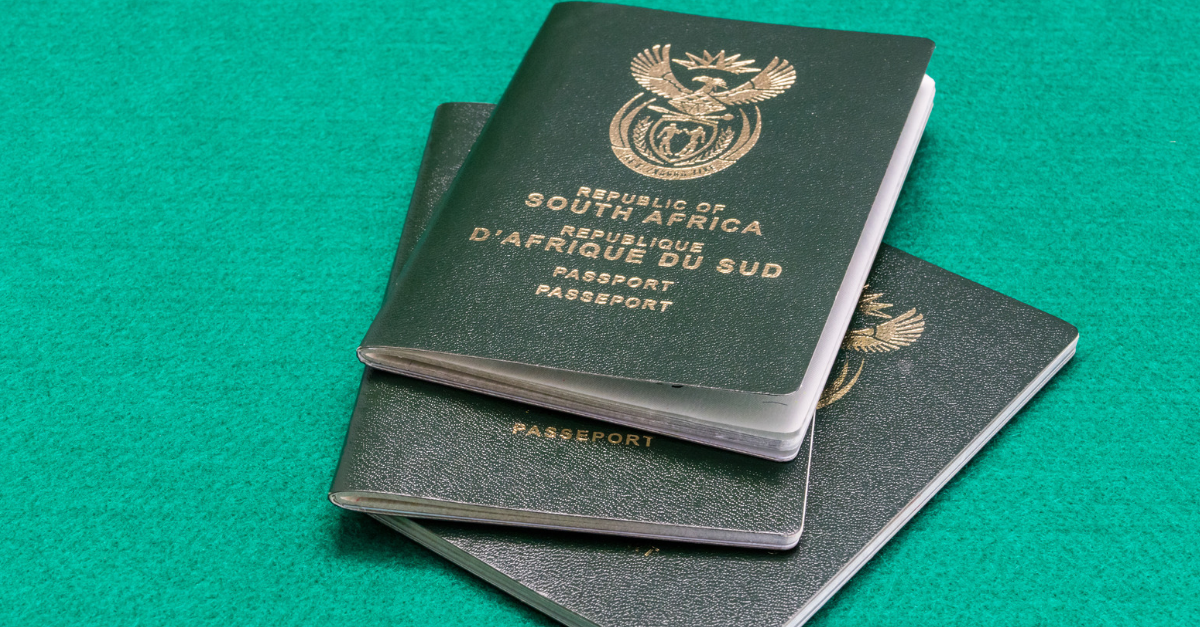
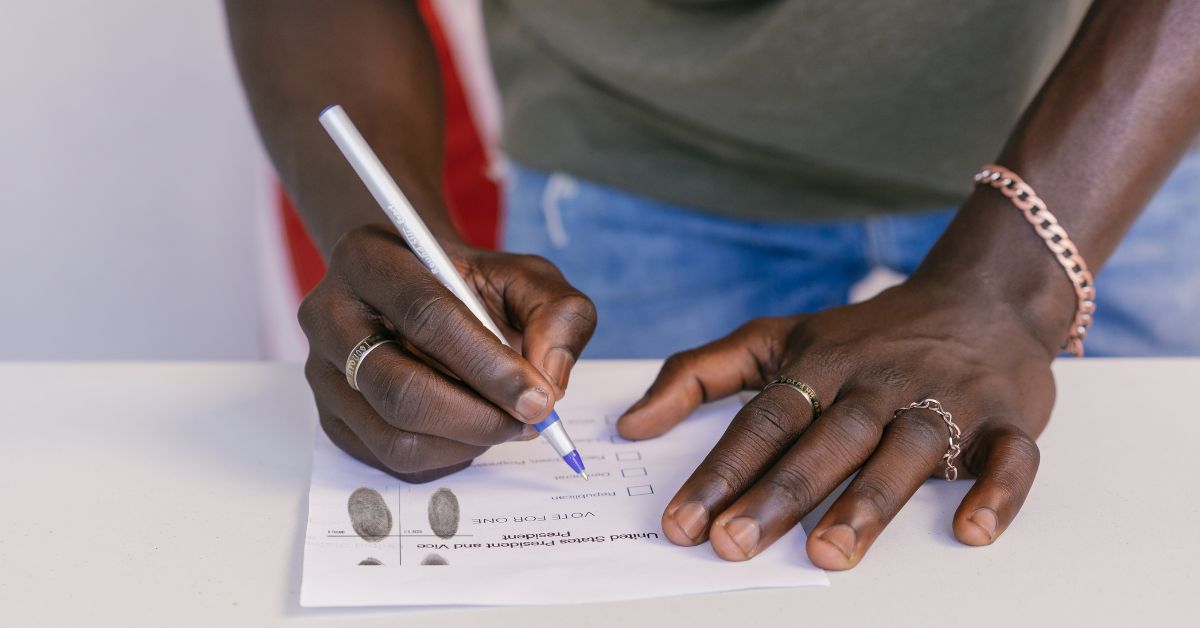
- 500 million without formal identity
- Average African SME accessed just 7% of total bank credit
- Know Your Customer (KYC) checks for a $100 loan often wiped out the profit
The result: lenders stayed away or charged 40–100% annualised rates. The informal economy expanded, but remained disconnected from working capital, insurance, and export markets — locked out of opportunity despite driving most of Africa’s economic activity.
The new equation is here — and live in 2025
Kenya: Where DPI became credit
Kenya’s Hustler Fund represents one of the clearest DPI-to-credit models on the continent.
Launched in December 2022, it relies entirely on:
- National ID
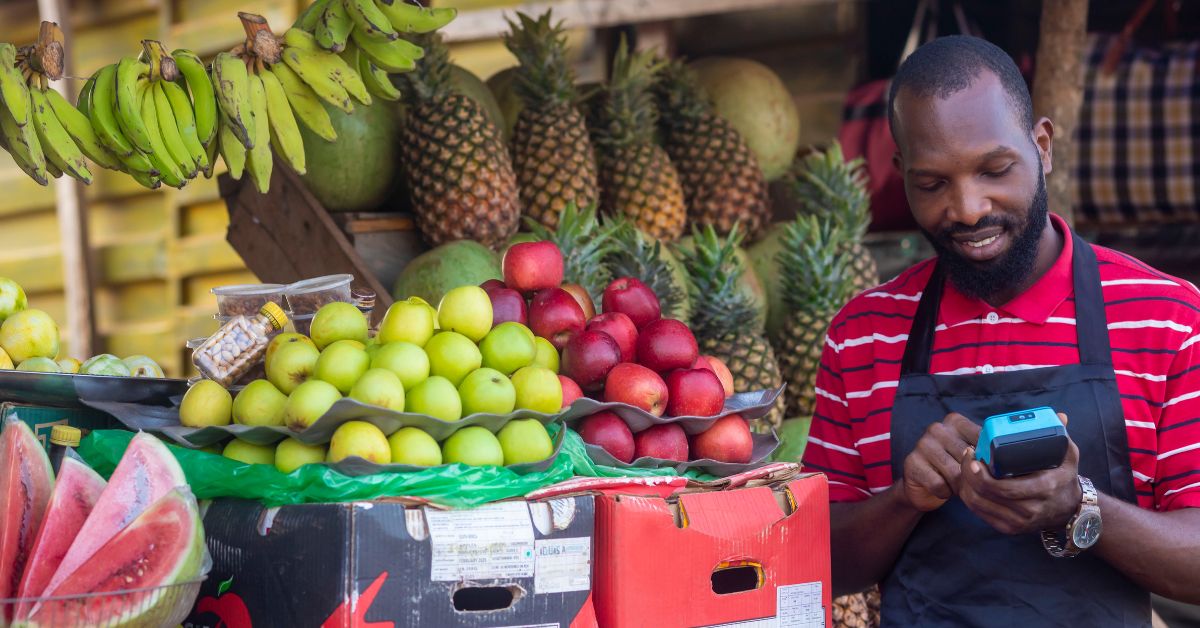
- Mobile-money history
- SIM registration
No branches. No paperwork. No collateral.
By December 2025, the numbers tell a transformative story:
- 22.4 million citizens borrowed — nearly 70% of adults
- $420 million disbursed
- Average loan rose from $9→$95 with repayment discipline
- 3.7% default rate — outperforming many European consumer lenders
- 41% of borrowers were women running micro-businesses
Kenya gained something previously unimaginable: a nationally credit-scored population, built through data most citizens already generate daily.
Nigeria: DPI at continental scale
Nigeria is now home to Africa’s deepest alternative credit dataset, powered by NIBSS Instant Payments and BVN/NIN.
By mid-2025:
- 62 million adults accessed at least one digital nano-loan
- Portfolio volume jumped from $180 million (2021) → $4.8 billion (2025)
- Lenders underwrite in under 30 seconds using BVN-linked data
- Digital SME lending crossed $1.1 billion
Platforms like Carbon, FairMoney, Branch, and a new wave of challenger banks are building fully DPI-native lending models — high-volume, low-cost, and anchored on trusted digital identities.
Rwanda: Near-universal digital footprints
Rwanda’s integrated approach is setting global benchmarks. Today:
- 98% of adults have a digital financial footprint
- KCB Bank Rwanda now approves 63% of SME loans using only Irembo digital ID and mobile-money cash-flow history
- Loan processing time fell from 21 days → under 4 hours
What used to be paperwork is now a tap-and-approved moment.
Ghana: Where interoperability drives credit
Ghana’s combination of the Ghana Card, GhIPSS instant payments, and mobile-money interoperability sparked a seismic shift:
- Digital credit disbursement grew 380% between 2022–2025
- MTN MoMo alone advanced $1.9 billion in 2024 — much of it to informal traders
Interoperability didn’t just improve convenience. It created visibility — and with visibility came credit access.
The next frontier: cross-border credit — and the savings are game-changing
For years, sending money across African borders remained costly.
By 2022, sending $200 within West Africa cost up to 14%.
DPI is collapsing those numbers:
- Ghana–Nigeria remittances now cost 1.4%
- EAC regional settlements run at 0.8%
- Diaspora remittances are being converted to instant, collateral-free credit lines
A worker in London can top up a relative’s wallet in Freetown — and that transaction instantly unlocks higher working-capital limits. Cross-border money is no longer a one-way flow; it’s becoming an on-ramp to opportunity.
Why investors finally believe the hype
The investment landscape reflects a profound shift:
- African fintech VC funding: $1.3 billion in 2019 → >$9 billion in 2025
- The most sought-after deals are now DPI-native companies
Examples powering the momentum:
- Tala (Kenya) raised $245 million in 2024 on models built entirely on M-Pesa + national ID data
- Yoco (South Africa) reached unicorn status using Sunbird DPI rails
- Wave (Senegal) became Francophone Africa’s first unicorn using mobile-money + ID-based underwriting
Impact investors such as Rockefeller Foundation, Norad, and FMO now prioritise DPI-integrated models because risk — once opaque — is finally measurable.
The quiet revolution in numbers (2021 → 2025)
- Adults with formal credit history: 80M → 340M
- Annual digital loan disbursements: $2.1B → $28B
- Average interest rate on a $300 digital loan: 68% → 21%
- SME lending share in DPI-advanced countries: 7% → 19% and rising
The $450 billion finance gap hasn’t disappeared, but for the first time, Africa is closing it at scale — not through charity, but through infrastructure that recognises, verifies, and empowers people.
The bottom line
DPI has built the railway.
The trains — credit, insurance, savings, and trade finance — are now running.
For millions who lived financially invisible for generations, DPI is not just technology.
It is recognition.
It is dignity.
It is a gateway to Africa’s next wave of inclusive growth.