The Role of Smart City Technologies in Africa’s Digital Public Infrastructure
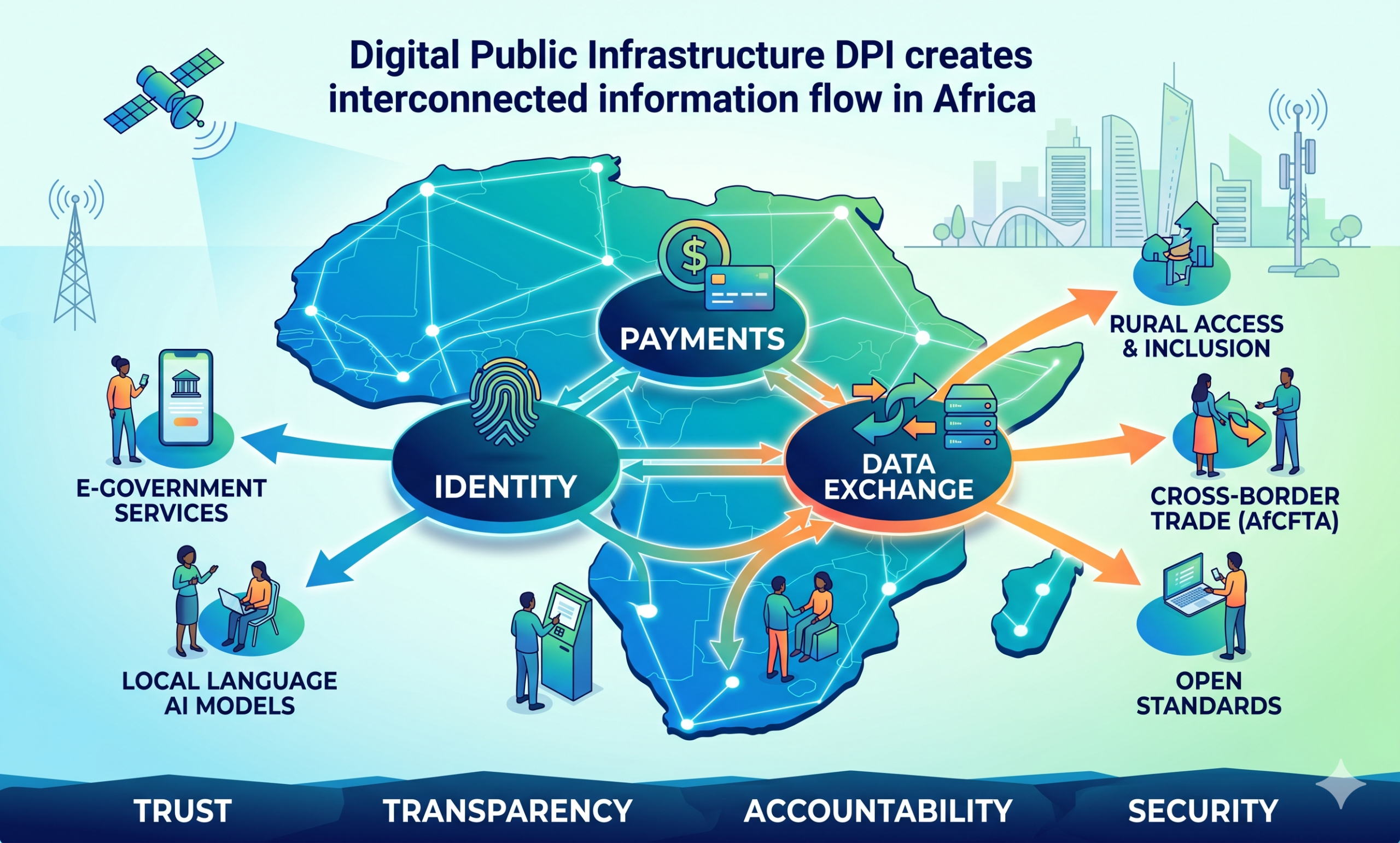
Smart City technologies are rapidly transforming urban landscapes across Africa, providing innovative solutions to improve the quality of life for residents, enhance public services, and drive sustainable development. At the core of these advancements is Digital Public Infrastructure (DPI), which supports the deployment and integration of these cutting-edge technologies. This post explores the significance of Smart City technologies in Africa, their impact on urban living, and the future potential of these innovations.
The Importance of Smart City Technologies
Smart City technologies leverage digital tools and data to enhance urban management and improve the efficiency of public services. These technologies encompass a wide range of applications, including smart transportation, energy management, waste management, public safety, and citizen engagement platforms. For Africa, where rapid urbanization poses significant challenges, Smart City technologies offer a pathway to more resilient, inclusive, and sustainable cities.
How DPI Supports Smart City Technologies
- Enhanced Connectivity and Infrastructure: DPI provides the essential digital infrastructure, such as high-speed broadband networks and IoT (Internet of Things) sensors, needed to support Smart City technologies. Improved connectivity enables real-time data collection and communication, which are crucial for the functioning of smart systems.
- Data Integration and Analytics: DPI facilitates the integration and analysis of large volumes of data generated by Smart City applications. Advanced analytics and AI (Artificial Intelligence) can process this data to provide insights that inform urban planning and decision-making, enhancing the efficiency and effectiveness of public services.
- Interoperability Across Systems: DPI ensures that various Smart City systems and applications can seamlessly communicate and share data. This interoperability is vital for creating a cohesive and integrated urban environment where different technologies work together to improve overall city management.
- Secure and Reliable Digital Identity: Digital identification systems, a key component of DPI, support Smart City technologies by providing secure and reliable means for citizens to access services and participate in smart initiatives. Biometric IDs and digital identity platforms enhance security and trust in digital interactions.
Impact of Smart City Technologies on African Urban Living
The implementation of Smart City technologies, supported by DPI, has transformative effects on urban living in Africa:
- Improved Transportation Systems: Smart transportation solutions, such as intelligent traffic management, smart parking, and public transit optimization, reduce congestion and enhance mobility. Real-time traffic data and predictive analytics help manage traffic flow, minimize delays, and improve the efficiency of public transportation.
- Efficient Energy Management: Smart grids and energy management systems optimize the distribution and consumption of energy, reducing waste and lowering costs. Renewable energy sources can be integrated more effectively, contributing to sustainable urban development and reducing the carbon footprint.
- Enhanced Public Safety: Smart surveillance systems, emergency response solutions, and predictive policing technologies enhance public safety and security. Real-time monitoring and data analytics enable quicker and more effective responses to incidents, improving the safety of urban environments.
- Effective Waste Management: Smart waste management systems use IoT sensors and data analytics to optimize waste collection and disposal. These systems can track waste levels, predict collection needs, and streamline operations, reducing costs and environmental impact.
- Citizen Engagement and Services: Digital platforms and mobile apps facilitate greater citizen engagement and improve access to public services. Citizens can report issues, provide feedback, and access information through user-friendly interfaces for a more participatory urban governance.
Case Studies and Success Stories
Several African cities have successfully implemented Smart City technologies, showcasing their potential to drive positive change:
- Cape Town, South Africa: Cape Town has deployed a range of Smart City solutions, including intelligent traffic management systems, smart grids, and digital public service platforms. These initiatives have improved urban mobility, energy efficiency, and citizen engagement.
- Nairobi, Kenya: Nairobi’s Konza Technopolis is a flagship Smart City project aimed at creating a sustainable urban center driven by technology and innovation. The project includes smart transportation, energy, and public safety systems, designed to enhance the quality of life for its residents.
- Kigali, Rwanda: Kigali has embraced Smart City technologies to improve urban management and service delivery. The city has implemented smart street lighting, waste management systems, and public Wi-Fi hotspots, contributing to a more connected and efficient urban environment.
Future Directions and Recommendations
To further advance the deployment and impact of Smart City technologies in Africa, the following steps are essential:
- Continued Investment in DPI: Governments and private sector partners should continue to invest in digital infrastructure to support the expansion of Smart City technologies. This includes enhancing broadband connectivity, deploying IoT sensors, and building data centers.
- Promoting Innovation and Collaboration: Encouraging collaboration between government agencies, technology providers, and research institutions can drive innovation and the development of new Smart City solutions. Public-private partnerships can leverage resources and expertise to build scalable and sustainable technologies.
- Building Digital Literacy: Educating citizens and public officials about the benefits and uses of Smart City technologies is crucial for widespread adoption. Digital literacy programs can help individuals and communities effectively engage with and benefit from smart initiatives.
- Ensuring Inclusivity: Smart City projects should be designed to be inclusive and accessible to all residents, including marginalized and vulnerable groups. Ensuring that technologies address diverse needs and enhance the quality of life for everyone is key to their success.
- Developing Regulatory Frameworks: Establishing clear and supportive regulatory frameworks is necessary to ensure the security, privacy, and interoperability of Smart City systems. Governments must create policies that protect data while enabling innovation.
Smart City technologies, supported by robust Digital Public Infrastructure, are transforming urban living across Africa. By enhancing connectivity, improving public services, and promoting sustainable development, these technologies offer a pathway to more resilient, inclusive, and vibrant cities. As African countries continue to invest in and expand their DPI, the future holds great promise for the widespread adoption of Smart City solutions. These advancements are not just about technology; they are about building better, more livable urban environments for all Africans.