The Role of Digital Public Infrastructure in Regional Integration in Africa
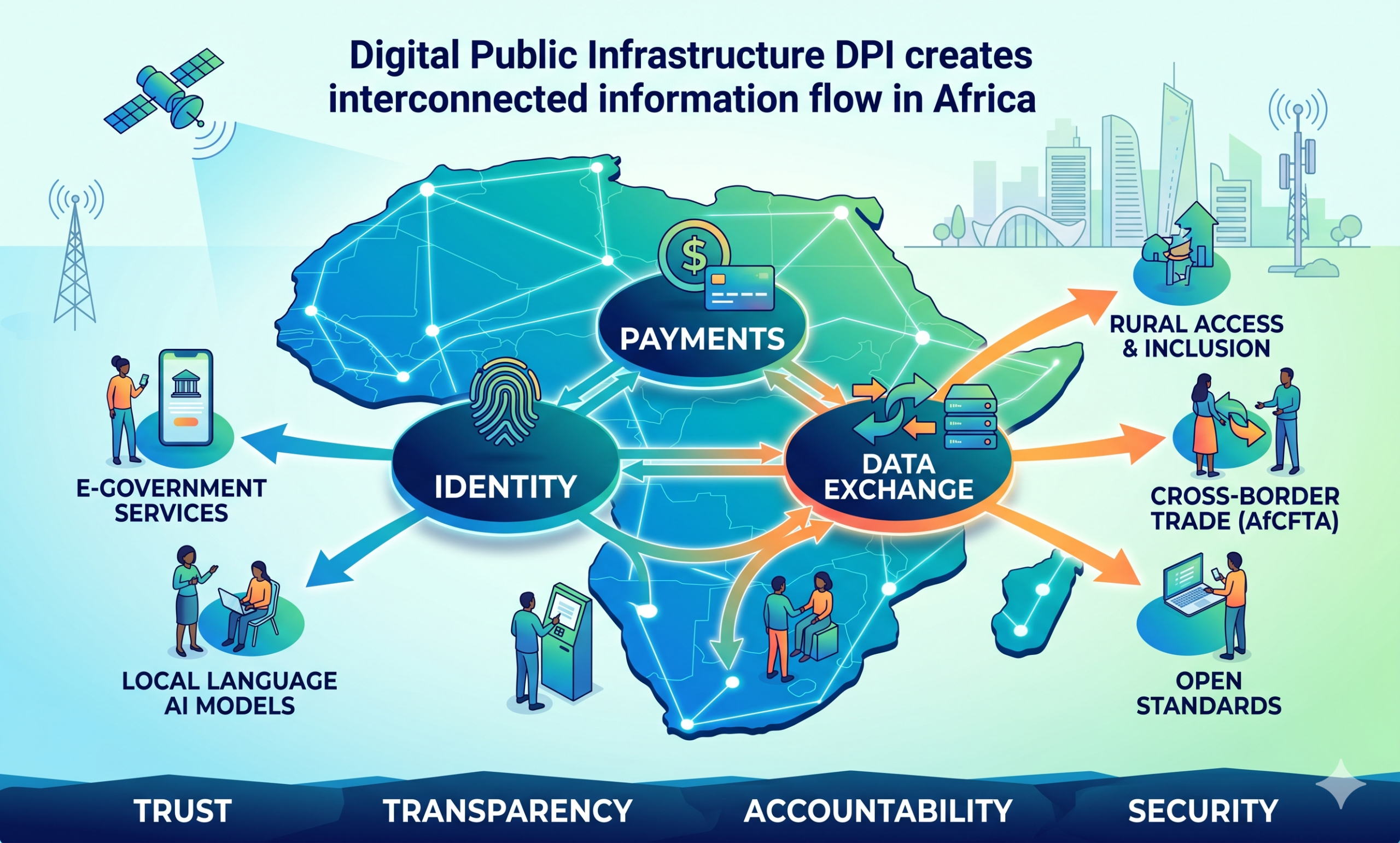
Digital Public Infrastructure (DPI) is playing a pivotal role in regional integration across Africa, bringing together countries through enhanced connectivity, seamless data exchange, and collaborative digital initiatives. By leveraging DPI, African nations can break down barriers, promote economic growth, and ensure sustainable development across the continent. This post explores how DPI is facilitating regional integration in Africa, its impact on various sectors, and the future potential of this digital transformation.
The Importance of Regional Integration
Regional integration involves the process of coordinating economic, social, and political policies among neighboring countries to achieve common goals. In Africa, where diverse cultures, languages, and economic systems coexist, regional integration is crucial for building a cohesive and prosperous continent. By working together, African nations can create larger markets, improve infrastructure, and enhance their global competitiveness.
How DPI Supports Regional Integration
- Enhanced Connectivity Across Borders: DPI provides the digital infrastructure needed to connect countries through high-speed broadband networks, cross-border fiber optic cables, and satellite communications. Improved connectivity facilitates the free flow of information, goods, and services, for closer economic ties and collaboration among African nations.
- Seamless Data Exchange and Interoperability: DPI enables the development of interoperable digital systems that allow for seamless data exchange between countries. This interoperability is essential for coordinating policies, standardizing regulations, and sharing critical information across borders. For example, harmonized digital identification systems can facilitate cross-border trade and travel.
- Integrated Financial Services: DPI supports the creation of integrated digital financial services that operate across borders, such as mobile banking, digital wallets, and cross-border payment systems. These services enable businesses and individuals to conduct transactions easily and securely, promoting financial inclusion and economic integration.
- Collaborative Digital Initiatives: DPI facilitates regional digital initiatives that address common challenges and leverage shared resources. These initiatives include joint efforts in cybersecurity, digital literacy programs, and regional e-governance platforms. By working together, countries can achieve greater efficiency and impact.
Impact of Regional Integration through DPI
The implementation of DPI-driven regional integration has far-reaching effects on various sectors in Africa:
- Economic Growth and Trade: Enhanced connectivity and seamless data exchange promote intra-African trade by reducing transaction costs and improving market access. Regional integration through DPI creates larger markets and attracts investment, driving economic growth and development.
- Improved Healthcare Systems: DPI enables the sharing of health data and resources across borders, enhancing the ability to respond to public health emergencies and improve healthcare delivery. Regional health information systems can track disease outbreaks, coordinate responses, and share best practices.
- Education and Research Collaboration: DPI supports the development of regional educational networks and research collaborations. Universities and research institutions can share resources, conduct joint research projects, and offer cross-border educational programs, enhancing the quality of education and innovation.
- Strengthened Governance and Security: Regional integration through DPI promotes better governance and security by facilitating the coordination of policies and the sharing of intelligence. Joint efforts in cybersecurity and digital governance enhance regional stability and resilience.
Case Studies and Success Stories
Several regional initiatives showcase the transformative potential of DPI in promoting integration across Africa:
- The African Continental Free Trade Area (AfCFTA): AfCFTA aims to create a single market for goods and services across 54 African countries. DPI supports this initiative by facilitating digital trade, harmonizing regulations, and improving cross-border payment systems.
- Smart Africa Alliance: This initiative brings together African countries to promote ICT development and digital transformation. Member countries collaborate on projects such as cross-border connectivity, digital skills training, and e-governance platforms.
- East African Community (EAC): The EAC has implemented various digital initiatives to enhance regional integration, including the One Network Area for mobile communications, which reduces roaming charges and improves connectivity across member states.
Future Directions and Recommendations
To further advance regional integration through DPI, the following steps are essential:
- Cross-Border Infrastructure: Continued investment in cross-border digital infrastructure, such as fiber optic networks and data centers, is crucial for enhancing connectivity and supporting regional integration.
- Policies and Regulations: African countries should work together to harmonize digital policies and regulations, ensuring interoperability and seamless data exchange. This includes standardizing digital identification systems, data protection laws, and cybersecurity frameworks.
- Public-Private Partnerships: Collaboration between governments, private sector companies, and international organizations can drive the development and implementation of regional digital initiatives. Public-private partnerships can leverage resources and expertise to achieve common goals.
- Digital Literacy and Skills: Building digital literacy and skills across the continent is essential for maximizing the benefits of DPI. Regional training programs and educational initiatives can help individuals and businesses adapt to the digital economy.
- Innovation and Entrepreneurship: Supporting innovation and entrepreneurship through regional digital hubs and incubators can drive economic growth and create new opportunities. Collaborative efforts to promote start-ups and digital enterprises can strengthen regional integration.
Digital Public Infrastructure is a powerful enabler of regional integration in Africa. By providing the necessary connectivity, interoperability, and collaborative frameworks, DPI is transforming how African countries work together to achieve common goals. As the continent continues to invest in and expand its DPI, the future holds great promise for a more integrated, prosperous, and resilient Africa. Regional integration through DPI is not just about connecting countries; it is about building a united continent that can thrive in the digital age.