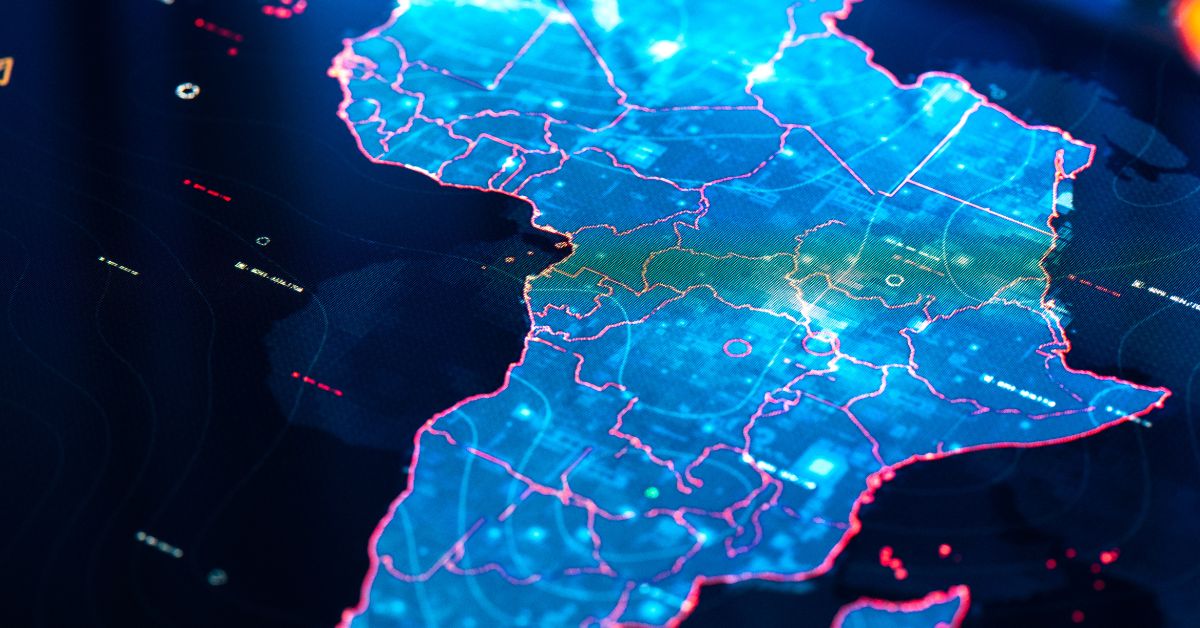
For the last decade, the story of “Digital Africa” was largely told through the lens of the smartphone—a frantic race to build apps, capture eyeballs, and disrupt traditional markets. But as we navigate 2026, the narrative has shifted fundamentally. We have moved from the era of the “app” to the era of the “rail.” This is the era of Digital Public Infrastructure (DPI), and it is quietly dismantling the barriers that have historically bottlenecked information, governance, and economic participation across the continent.
The End of the “Human Messenger”
Historically, information in many African bureaucracies lived in silos. To get a simple business permit, a citizen often had to act as a “human messenger,” physically carrying paper records from one government department to another. Today, the rollout of integrated DPI hubs like Rwanda’s Irembo, Kenya’s eCitizen, and South Africa’s recently launched MzansiXchange has automated this “data handshake.”
DPI operates on the principle of interoperability. By creating a unified digital identity layer and a secure data exchange layer, information now flows between agencies with the citizen’s consent, but without their physical labor. This isn’t just a technical upgrade; it is a restoration of time and dignity. When a farmer in rural Tanzania can verify their identity, access a subsidy, and receive a digital certificate in seconds via a mobile rail, the “information gap” that once bred corruption and inefficiency begins to close.
Reclaiming Data Sovereignty
One of the most significant shifts in 2026 is the move toward “Sovereign Data Solutions.” For years, African data was processed abroad, often leaving the continent as a raw resource only to be sold back as expensive, foreign-tuned AI models. This year, the conversation has pivoted toward “data embassies” and “AI factories.”
African leaders are increasingly prioritizing open standards and Digital Public Goods (DPGs) to avoid vendor lock-in. By using open-source code for national ID and payment systems, countries like Ghana and Togo are ensuring they aren’t tied to the whims of global tech giants. There is a growing realization that for information to be truly transformative, it must be auditable and reflective of local realities—including local languages and cultural nuances that foreign algorithms often overlook.
The Rise of “Intentionally Simple” Ecosystems
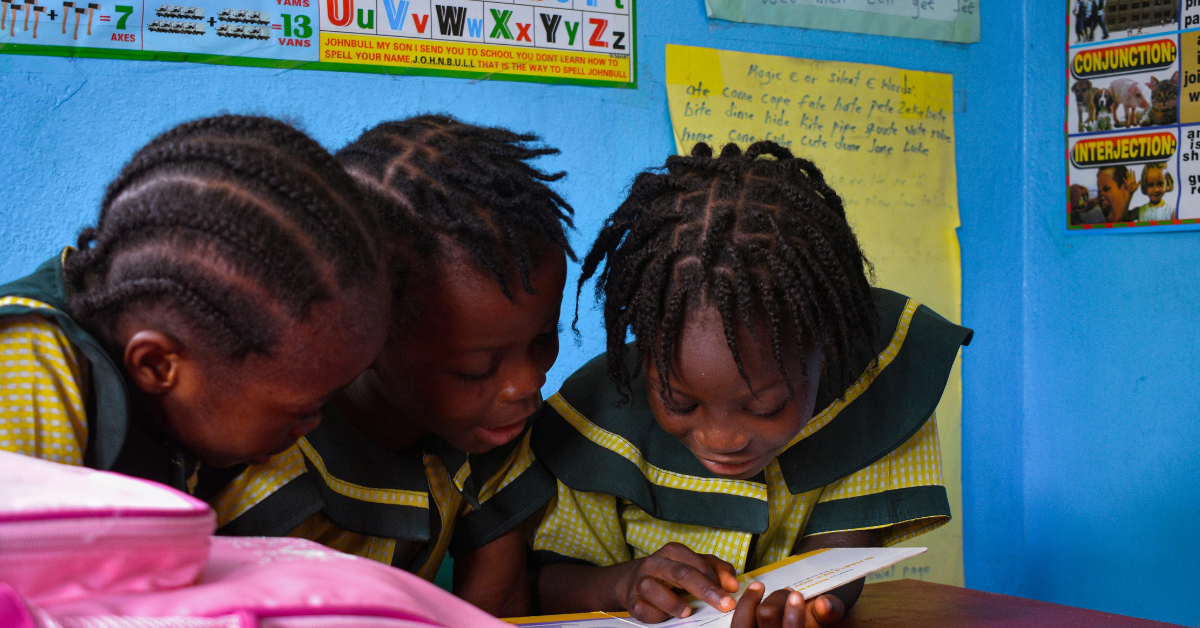
While the technology behind DPI is complex, its success depends on simplicity. The most effective systems being implemented today are those that are “intentionally inclusive.” This means designing for the “last mile”—ensuring that the quality of information access in a rural village matches the 5G-enabled speeds of Nairobi or Lagos.
The integration of local-language AI models into these digital rails is a game-changer. These models allow citizens to interact with government services using voice commands in their native dialects, breaking down the linguistic barriers that have long marginalized non-English or non-French speakers. When infrastructure is built with this level of intentionality, it ceases to be a cold technical tool and becomes a vibrant public ecosystem.
Challenges: Trust as the Ultimate Infrastructure
Despite the momentum, the “Missing Middle” remains: trust. As we centralize data through DPI, the risks of surveillance and data exploitation become more acute. The “techno-legal” frameworks being debated at forums like RightsCon 2026 emphasize that data protection and access rights must be embedded directly into the code.
Infrastructure is only as strong as the people’s willingness to use it. If citizens feel their information is being used against them, they will disengage. Therefore, the 2026 implementation phase isn’t just about building faster “trains”; it’s about ensuring the tracks lead to transparency and accountability.
Conclusion: A Sovereign Digital Future
Digital Public Infrastructure is more than a set of tools; it is the new backbone of African citizenship. By streamlining how information is captured, shared, and protected, DPI is enabling a version of regional integration—via the AfCFTA Digital Trade Protocol—that was once a distant dream.
As we move forward, the goal is clear: to build a digital world that is as robust as it is accessible. For Africa, 2026 marks the year we stopped simply consuming the global digital narrative and started writing our own, one interoperable rail at a time.