The Role of Public Internet Access Points in Africa’s Digital Public Infrastructure
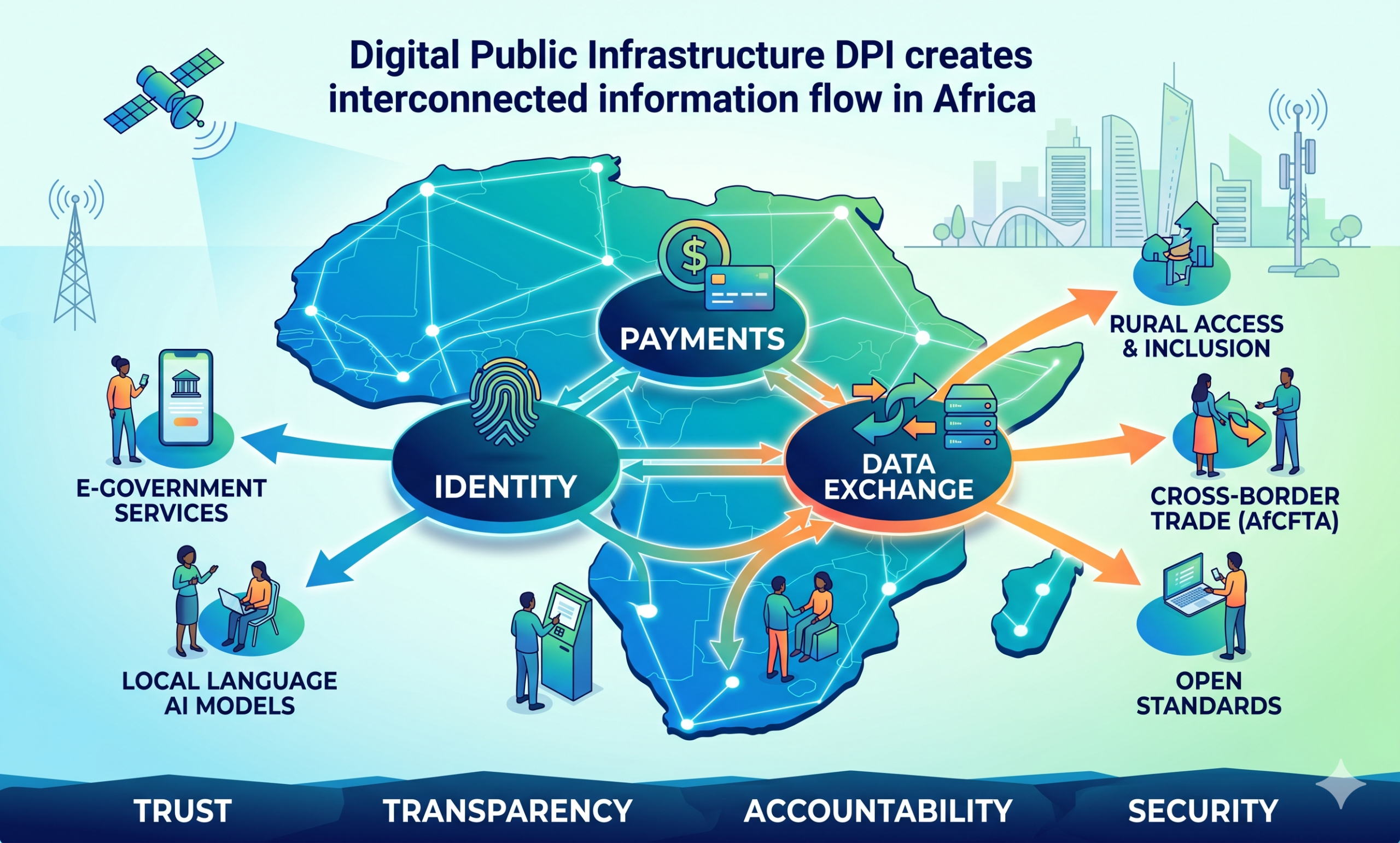
Public Internet Access Points (PIAPs) are crucial components of Digital Public Infrastructure (DPI) in Africa, playing a significant role in bridging the digital divide and providing equitable access to digital resources. These access points enable individuals, especially in underserved and rural areas, to connect to the internet, access essential services, and participate in the digital economy. This post explores the importance of PIAPs in Africa, their impact on communities, and the future potential of expanding these access points across the continent.
The Importance of Public Internet Access Points
Public Internet Access Points are locations where individuals can access the internet for free or at a low cost. These access points are typically found in public spaces such as libraries, community centers, schools, and government buildings. In many African countries, where home internet access is limited due to infrastructure challenges and high costs, PIAPs provide a vital lifeline for connectivity.
How DPI Supports Public Internet Access Points
- Enhanced Connectivity and Infrastructure: DPI ensures that the necessary digital infrastructure, such as broadband networks and Wi-Fi hotspots, is in place to support PIAPs. By investing in the expansion of internet connectivity, DPI enables more communities to benefit from public internet access.
- Affordability and Accessibility: PIAPs make internet access affordable and accessible to individuals who may not have the means to connect at home. This inclusivity ensures that everyone, regardless of their socio-economic status, can benefit from digital opportunities.
- Educational and Economic Empowerment: Through DPI, PIAPs provide access to educational resources, online courses, job portals, and business opportunities. This empowers individuals to enhance their skills, seek employment, and engage in entrepreneurial activities.
- Community Engagement and Development: PIAPs serve as hubs for community engagement, where people can come together to access information, participate in digital literacy programs, and collaborate on community development projects. This creates a sense of community and collective growth.
Impact of Public Internet Access Points on African Communities
The implementation of PIAPs has had a transformative impact on various aspects of community life in Africa:
- Educational Opportunities: PIAPs provide students with access to online learning platforms, digital libraries, and educational resources that are otherwise unavailable. This enhances learning outcomes and helps bridge the educational divide.
- Job Creation and Economic Growth: Access to the internet through PIAPs enables individuals to search for jobs, apply for employment, and access online training programs. This contributes to job creation and supports economic growth by enhancing workforce skills.
- Health and Well-being: PIAPs facilitate access to telehealth services, health information, and online support groups. This is particularly beneficial in remote areas where healthcare services are limited, improving overall health and well-being.
- Civic Participation: By providing access to government websites and e-governance platforms, PIAPs enable citizens to participate in civic activities, access public services, and engage with government initiatives. This promotes transparency and accountability in governance.
Case Studies and Success Stories
Several African countries have successfully implemented PIAPs, showcasing their potential to drive positive change:
- Kenya: The Kenya National Library Service (KNLS) has established public Wi-Fi access points in libraries across the country. These PIAPs provide free internet access to students, researchers, and the general public, enhancing access to information and learning resources.
- Rwanda: The government of Rwanda has set up public internet access points in community centers and public spaces as part of its Vision 2020 Umurenge Program. These access points have improved connectivity in rural areas and supported community development initiatives.
- South Africa: The Western Cape Government’s Broadband Initiative has established public Wi-Fi hotspots in schools, libraries, and community centers. These hotspots provide free internet access, supporting education and economic activities in underserved areas.
Future Directions and Recommendations
To further expand the reach and impact of PIAPs in Africa, the following steps are essential:
- Continued Investment in DPI: Governments and private sector partners should continue to invest in digital infrastructure to support the expansion of PIAPs. This includes enhancing broadband connectivity, deploying Wi-Fi hotspots, and ensuring reliable electricity supply.
- Promoting Digital Literacy: Digital literacy programs are crucial to ensuring that individuals can effectively use the internet and digital tools available at PIAPs. Training sessions, workshops, and community outreach programs can help build digital skills.
- Public-Private Partnerships: Collaboration between government agencies, non-governmental organizations (NGOs), and private companies can drive the establishment and sustainability of PIAPs. Public-private partnerships can leverage resources and expertise to expand access points.
- Inclusive Design and Accessibility: PIAPs should be designed to be inclusive and accessible to all, including people with disabilities. Ensuring that access points are user-friendly and accommodating can enhance their usability and impact.
- Monitoring and Evaluation: Regular monitoring and evaluation of PIAPs are necessary to assess their effectiveness and identify areas for improvement. Collecting data on usage patterns, user feedback, and impact can inform future strategies.
Public Internet Access Points, supported by robust Digital Public Infrastructure, are essential for bridging the digital divide in Africa. By providing affordable and accessible internet connectivity, PIAPs empower individuals, enhance educational and economic opportunities, and promote community development. As African countries continue to invest in and expand their DPI, the future holds great promise for a more connected, inclusive, and prosperous continent. PIAPs are not just about providing internet access; they are about creating opportunities and transforming lives for the better.