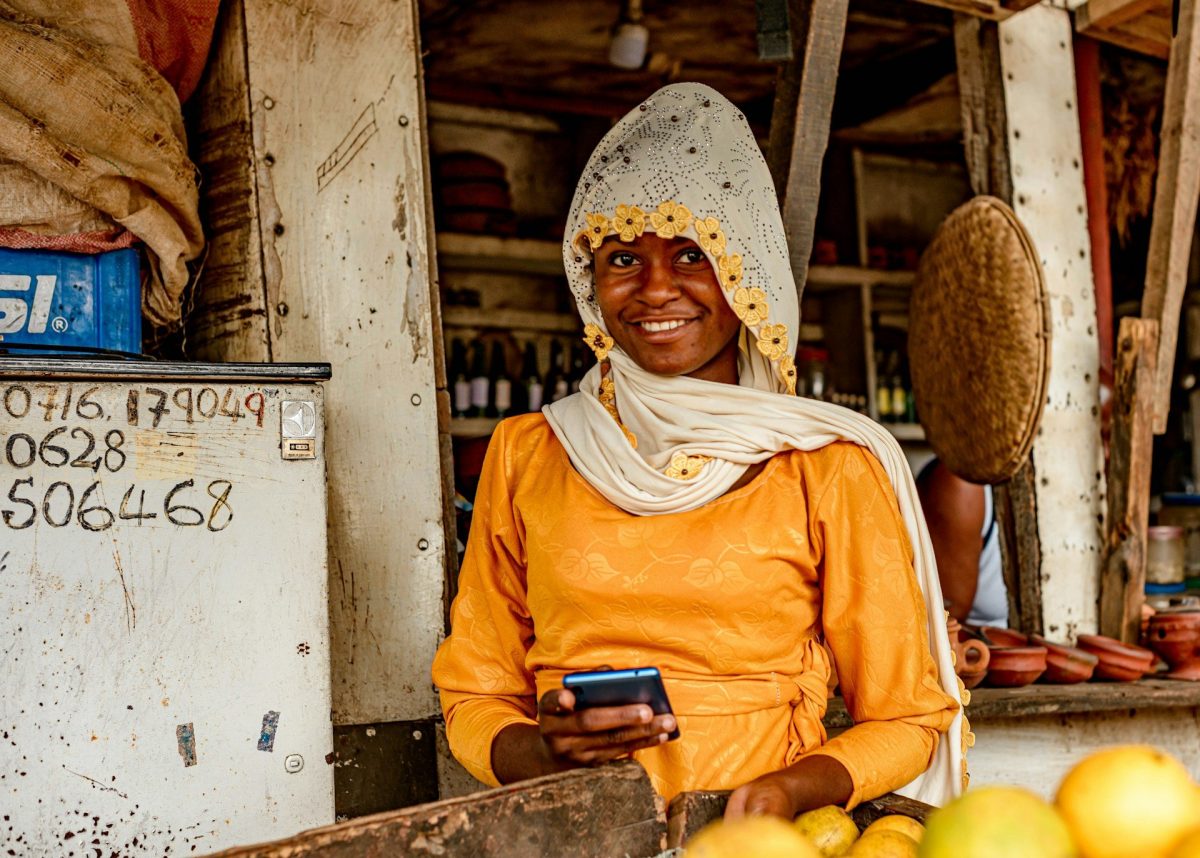
The African continent is undergoing a financial revolution, driven by the widespread adoption of mobile phones among its young, tech-savvy population. This shift is primarily due to the growth of fintech (financial technology), which has dramatically improved financial inclusion by providing accessible and affordable financial services through mobile devices.
Key Developments and Impacts:
- Widespread Adoption of Mobile Money:
- Platforms like Kenya’s M-Pesa and Zimbabwe’s EcoCash have transformed financial services by allowing users to deposit, withdraw, transfer money, pay bills, and access credit using their mobile phones. These services are particularly beneficial for those in rural areas without access to traditional banking infrastructure (Fintech Africa) (ALN).
- Improved Financial Inclusion:
- Fintech innovations have democratized access to financial services, enabling millions of previously unbanked individuals to participate in the formal economy. Mobile money accounts now surpass traditional bank accounts in many parts of Sub-Saharan Africa, facilitating greater financial inclusion and economic empowerment (World Economic Forum) (ALN).
- Empowerment of Small Businesses:
- Fintech solutions, such as microloans and peer-to-peer lending, have provided small businesses and entrepreneurs with much-needed capital, fostering economic growth and entrepreneurship. These platforms often offer lower interest rates and more flexible terms than traditional banks (Fintech Africa) (ALN).
- Alternative Credit Scoring:
- Fintech companies are using alternative data, such as mobile phone usage and utility payments, to assess creditworthiness. This approach helps include those who lack formal credit histories, expanding access to credit for a broader segment of the population (Fintech Africa).
Challenges and Future Prospects:
- Despite the significant strides, challenges such as regulatory hurdles, digital literacy gaps, and limited internet access in rural areas persist. Addressing these issues requires collaboration between governments, fintech companies, and other stakeholders to create a supportive regulatory environment, invest in infrastructure, and promote digital literacy (Fintech Africa) (World Economic Forum).
- The future of fintech in Africa is promising, with potential advancements in digital currencies, AI-driven financial services, and decentralized finance. These innovations could further enhance financial inclusion and drive sustainable economic growth across the continent (ALN).
Fintech is playing a crucial role in transforming Africa’s financial landscape by providing inclusive, accessible, and innovative financial services. The continued collaboration among stakeholders will be essential in overcoming existing challenges and unlocking the full potential of fintech to create a more prosperous and inclusive financial future for all Africans.
For more detailed insights, you can refer to the articles on Fintech Magazine Africa, World Economic Forum, and ALN.