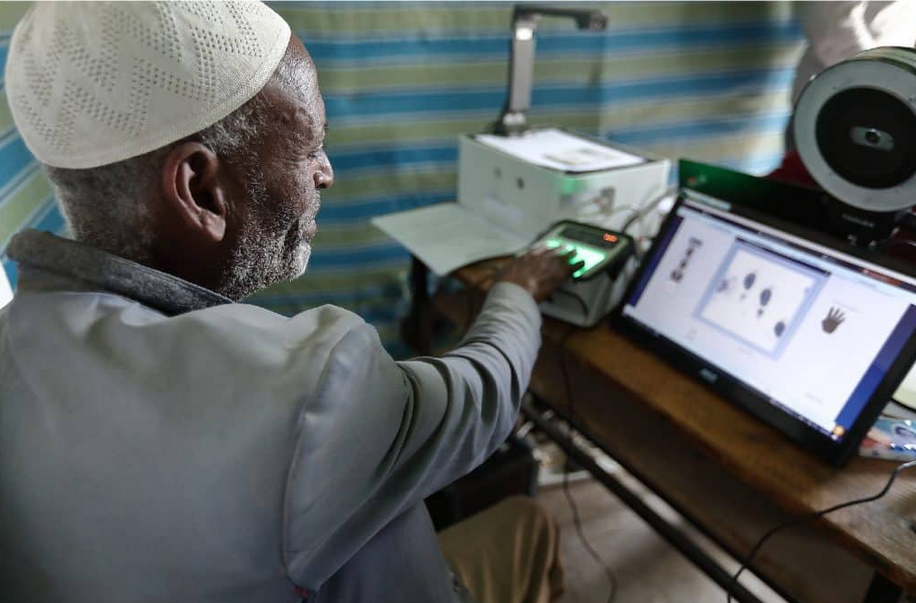
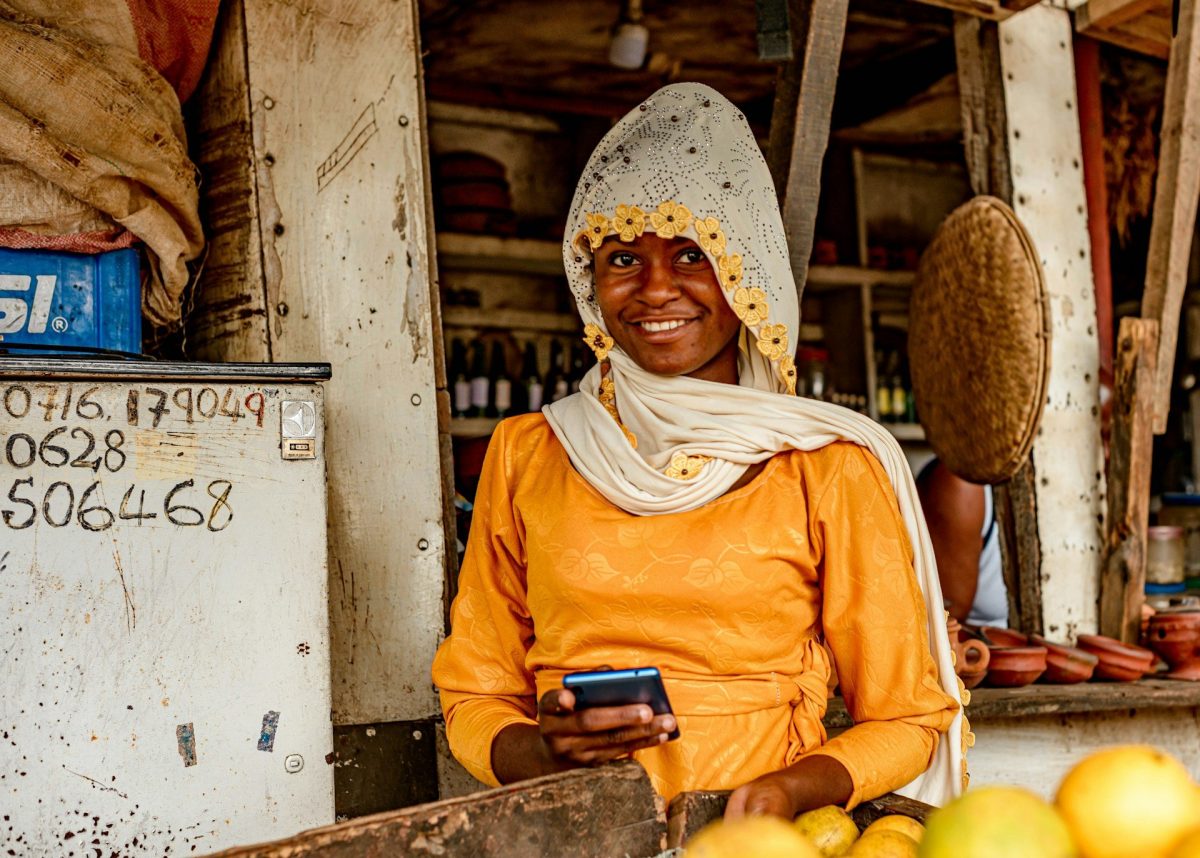
Kenya has implemented several key Digital Public Infrastructure (DPI) projects that have significantly impacted various sectors. In fact, the East African country is one of the biggest adopters of the initiative in Africa. In this article, we will examine two examples of Digital Public Infrastructure in Kenya and their impact on the lives of Kenyan citizens.
Huduma Namba: A Bold Attempt at Revolutionizing Kenya’s Digital Identity
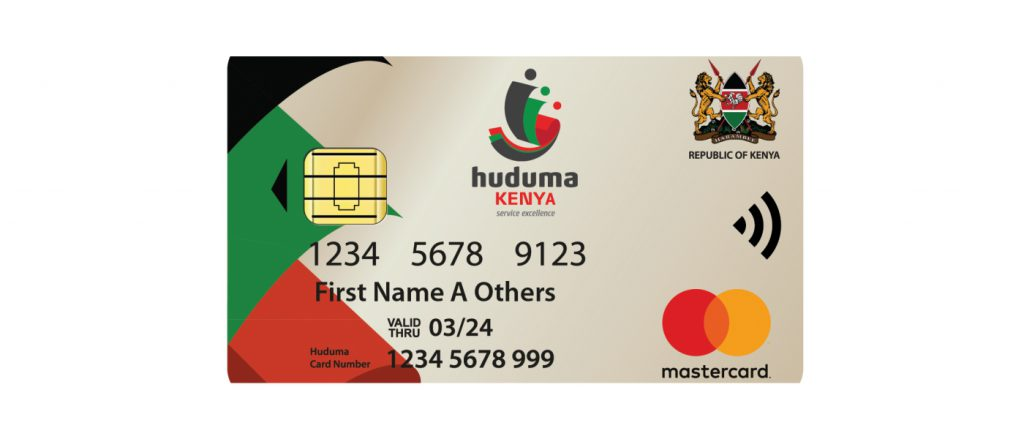
The Huduma Namba initiative, introduced by former President Uhuru Kenyatta in 2019, is one of Kenya’s digital identity projects. The initiative aims to revolutionize public service delivery in Kenya through a unified digital identity system. While Huduma Namba had ambitious goals, it encountered significant challenges that ultimately led to its failure. Below, we will examine the project’s successes and obstacles, as well as its transition to the current Maisha Number system.
The Vision behind the Huduma Namba Initiative
Huduma Namba was envisioned as a comprehensive digital identity system that would consolidate various government-issued IDs into a single identifier. This initiative was designed to streamline access to public services, enhance efficiency, improve data accuracy, and bolster security and fraud prevention.

Huduma Namba’s Promising Wins: Streamlining Services and Efficiency
Streamlined Access to Services: One of Huduma Namba’s primary benefits was its potential to simplify access to public services. By consolidating multiple IDs into one, citizens could more easily access healthcare, education, and social welfare services.
Improved Efficiency: The Huduma Namba digital identity system was expected to reduce bureaucratic delays by enabling government agencies to verify identities quickly and accurately, enhancing the efficiency of service delivery.
Data Accuracy: Accurate population data is crucial for resource planning and allocation. With Huduma Namba, the government sought to collect reliable demographic data to better serve its citizens.
Enhanced Security and Fraud Prevention: Through a robust digital ID system, which provided a reliable method for verifying individuals, the government hoped to reduce identity fraud. Centralized data collection would also improve accountability and transparency within government systems.
While Huduma Namba made strides in streamlining services, it also encountered several roadblocks that ultimately contributed to its failure.
What Went Wrong with Huduma Namba: The Key Obstacles
Lack of Public Awareness and Sensitization: One of the primary reasons for Huduma Namba’s failure was inadequate public sensitization. Many Kenyans were not properly informed of the initiative’s benefits and processes. The initiative lacked a comprehensive public education campaign, leading to confusion and skepticism among the citizens.
ICT Cabinet Secretary Eliud Owalo acknowledged this issue, stating:
“The pitfall that befell Huduma Namba is that there wasn’t adequate sensitization at the beginning… you need to explain to Kenyans why it is imperative to introduce such an initiative. They need to understand what it entails.”
Political Climate: The project was launched during a politically charged period, which bred mistrust and suspicions about the government’s intentions. This political atmosphere contributed to many Kenyans’ reluctance to fully engage with the program.
Owalo noted:
“It (Huduma Namba) was launched at a time when there was also a clouded political atmosphere. So there were suspicions around it.”
Legal and Regulatory Challenges: In 2021, the High Court of Kenya halted the rollout of Huduma Namba, ruling that the government had not conducted a necessary Data Protection Impact Assessment as required by the Data Protection Act of 2019. This legal oversight raised significant concerns about data protection and privacy.
Justice Jairus Ngaah stated:
“An order is hereby issued to bring into this honorable court to quash the government decision of November 18, 2020, to roll out Huduma cards for being ultra vires of the Data Protection Act 2019.”
Implementation and Technical Issues: Despite significant financial investment, estimated at KSh 10 billion, the project was plagued by technical and logistical problems. These issues eroded public trust and confidence in the initiative.
Recognizing Huduma Namba’s missteps and challenges, the government sought a fresh start with the Maisha Number, a new system designed to avoid past pitfalls.
Maisha Number: Kenya’s New Path to a Seamless Digital Identity
As a result of Huduma Namba’s failures, the government under President William Ruto introduced a new digital identity system called the Maisha Number. This new system addresses Huduma Namba’s shortcomings by ensuring better database integration and data protection measures.
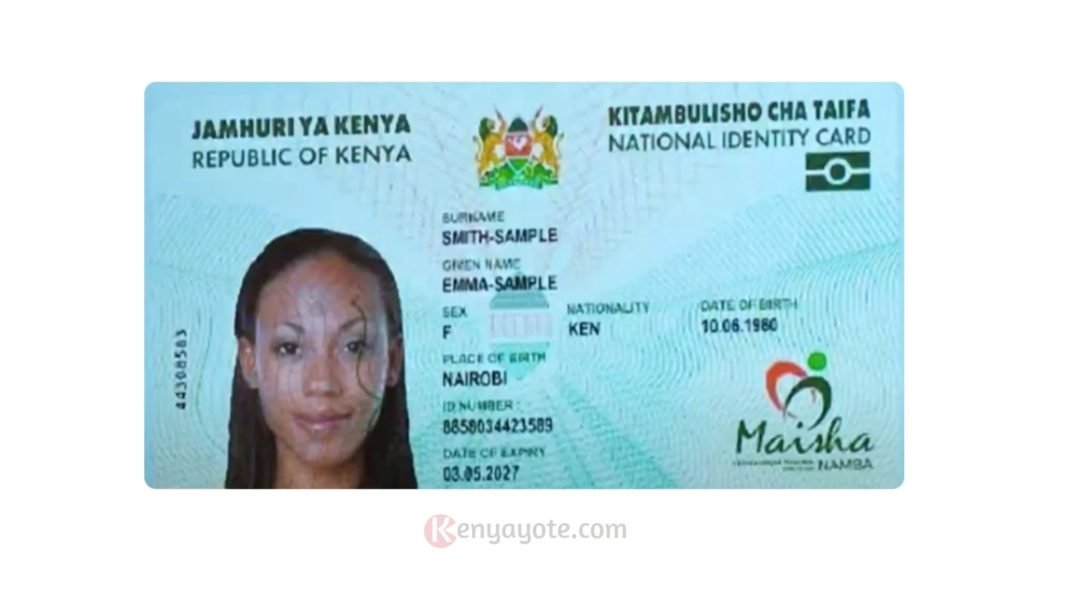
Immigration Principal Secretary Julius Bitok explained the rationale behind the transition:
“I think we’ve moved from the Huduma Namba to what we call the Maisha Number. The new number is a UPI and integrates all the databases from all the existing databases from civil registration and national registration.”
Transforming Public Service Delivery with Maisha Number
The Maisha Number project is designed to provide a seamless digital identity from birth to death, encompassing various aspects of a citizen’s interactions with government services. It aims to enhance the efficiency of public service delivery, improve data accuracy, and bolster security measures.
Streamlined Access to Services: The new system consolidates multiple government-issued IDs into a single digital identity, simplifying access to services.
Improved Efficiency: Government agencies can verify identities quickly, reducing delays and improving service delivery.
Data Accuracy: Accurate population data helps in better resource planning and allocation.
Impact on Security and Fraud Prevention
Enhanced Security: The Maisha Number digital ID system reduces identity fraud by providing a reliable verification method.
Increased Accountability: Centralized data collection improves accountability and transparency within government systems.
Conclusion
The Huduma Namba initiative faced significant hurdles that led to its eventual failure. However, the lessons learned informed the development of the Maisha Number, a new digital identity system aimed at addressing past shortcomings and enhancing public service delivery in Kenya. As this new system rolls out, it remains crucial to ensure robust public sensitization, adhere to legal requirements, and address technical challenges to gain public trust and achieve its intended benefits.
M-Pesa: How Mobile Money Revolutionized Kenya’s Economy and Financial Inclusion
In Kenya, a mobile money service known as M-Pesa has transformed the financial landscape, bringing banking services to millions who were previously unbanked. Launched in 2007 by Safaricom and Vodafone, M-Pesa (M stands for mobile, while pesa is Swahili for money) has become a cornerstone of Kenya’s economy, enabling users to send, receive, and store money using their mobile phones. Below, we explore the remarkable success and the significant challenges M-Pesa faces, emphasizing its profound impact on Kenya’s socio-economic landscape.

How M-PESA Brought Banking to Kenya’s Rural Areas
Since its inception, M-Pesa’s impact on Kenya has been profound, but its most transformative effect has been on financial inclusion, particularly for those previously excluded from formal banking.
Economic Empowerment: Small businesses and entrepreneurs have benefited immensely from M-Pesa’s financial inclusion. Through M-Shwari, an M-Pesa savings and loan product, they can now easily perform transactions, receive payments, and access micro-loans. The product allows users to save as little as Ksh 1 and access credit from Ksh 1,000, offering interest rates of up to 6.3% per annum on savings. It provides instant loans directly to users’ M-Pesa accounts. This service aims to deepen and diversify the consumption and income benefits of M-Pesa by providing clients with a facility to save and by offering credit beyond a user’s networks of family and friends.
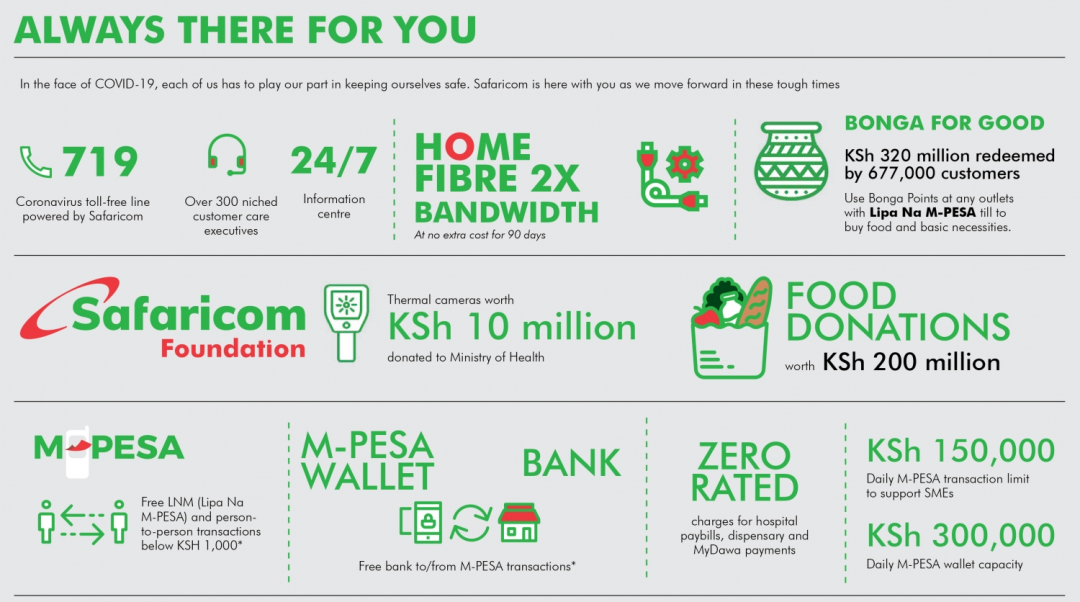
Reduction in Transaction Costs: M-Pesa has reduced the cost and time associated with money transfers, enabling faster and cheaper remittances both domestically and internationally. During the COVID-19 pandemic, Safaricom used reduced transaction costs to reduce the risk of spreading the virus. The company waived fees for all person-to-person transactions below Ksh 1,000 for 90 days. The initiative, a show of support for small and micro-business enterprises (SMEs), eliminated the need to physically handle cash.
Bridging the Gap for the Unbanked: Before M-Pesa, a significant portion of Kenya’s population had limited or no access to formal financial services. This was especially true for those living in remote and rural areas, where banks were scarce and often inaccessible. M-Pesa bridged this gap by leveraging the widespread use of mobile phones, enabling users to perform financial transactions without needing a traditional bank account.
M-PESA’s Impact on Socio-Economic Development
Job Creation: The M-Pesa agent network has created thousands of jobs nationwide, providing employment opportunities and contributing to economic growth.
Increased Security: Reducing the reliance on cash has decreased the risk of theft and fraud, enhancing financial security for users.
M-Pesa’s Challenges: Struggles with Regulation, Technology, and Trust
Despite its numerous successes, M-Pesa faces several challenges as a Digital Public Infrastructure (DPI).
Regulatory and Compliance Issues: Different countries have varied regulations regarding mobile money, causing compliance issues for M-Pesa when expanding to new regions. Ensuring compliance with anti-money laundering (AML) and know-your-customer (KYC) regulations is particularly challenging in regions with limited formal identification systems.
Infrastructure and Technological Barriers: M-Pesa relies heavily on mobile network infrastructure, which can be unreliable in rural or underserved areas. Continuous technological advancements necessitate regular updates and maintenance of the platform, which can be resource-intensive.
Security and Fraud Risks: As with any digital platform, M-Pesa is vulnerable to cyber-attacks, fraud, and data breaches. Robust fraud detection and prevention mechanisms are essential to mitigate these risks.
Market Penetration and Adoption Challenges: Building trust among users, especially those who are not tech-savvy or are unbanked, is a significant challenge. Financial and digital literacy are critical for adoption. Cultural attitudes towards mobile money and socio-economic factors also influence adoption rates.
Competition and Market Dynamics: The entry of other mobile money services and fintech solutions increases competition, requiring M-Pesa to continually innovate and improve its services to maintain market share. Achieving further growth in already saturated markets is challenging.
Economic and Financial Challenges: High transaction costs can deter users, especially in low-income regions. Balancing affordability and profitability is a critical challenge. Extending services to the unbanked and underbanked populations involves significant investment and effort.
Ruth’s Story: Transforming a Small Business with M-Pesa
Ruth Wanjiku is a mother of three and a small business owner in Nakuru, Kenya. She runs a kiosk selling groceries and household items. Before M-Pesa, Ruth faced numerous challenges in managing her business finances. She had to travel long distances to deposit cash in a bank, which was time-consuming and risky due to the threat of theft.
Adopting M-Pesa
In 2008, Ruth started using M-Pesa after learning about its benefits from a neighbor. She registered for an account and began using it to receive customer payments. This shift significantly changed how she managed her business.
Impact on Ruth’s Business
Increased Sales: Customers found it convenient to pay via M-Pesa, leading to increased sales as more people preferred the ease and security of mobile payments over cash transactions.
Better Financial Management: By reducing the amount of cash on hand, Ruth minimized the risk of theft and loss. She could now deposit her daily earnings into her M-Pesa account and only withdraw what was necessary for restocking and personal use.
Access to Microloans: Through M-Pesa’s partnership with microfinance institutions, Ruth accessed small loans to expand her inventory and grow her business. She used these loans to stock a wider variety of products, attracting more customers and increasing her profits.
Enhanced Savings: Ruth utilized the M-Pesa savings feature to set aside money for her children’s education and emergencies. This habit of saving regularly helped her build a financial cushion, giving her peace of mind and financial security.
Business Expansion: With increased revenue and better financial management, Ruth was able to open two more kiosks in nearby areas. She employed additional staff, creating job opportunities for others in her community.
Social Impact of Ruth’s M-PESA Adoption
Ruth’s success story inspired other small business owners in her community. She often shared her experiences and encouraged others to adopt M-Pesa for their businesses. This collective shift towards digital transactions contributed to the area’s overall economic development.
Conclusion
Ruth Wanjiku’s story is a testament to the transformative power of digital public infrastructure like M-Pesa. By embracing this technology, she not only improved her business operations but also enhanced her family’s financial stability and contributed to her community’s economic growth. Ruth’s journey highlights how individuals can leverage digital tools to overcome challenges and achieve success in their personal and professional lives.
New Digital Era: Lessons from Huduma Namba and M-Pesa’s Impact on Kenya’s Future
M-Pesa has revolutionized financial services in Kenya, bringing unparalleled convenience and empowerment to millions. While it faces significant challenges, its successes in promoting financial inclusion, economic empowerment, and socio-economic development are commendable. Addressing regulatory, infrastructural, security, and adoption challenges will be crucial for its sustained growth and further integration into Kenya’s socio-economic fabric.