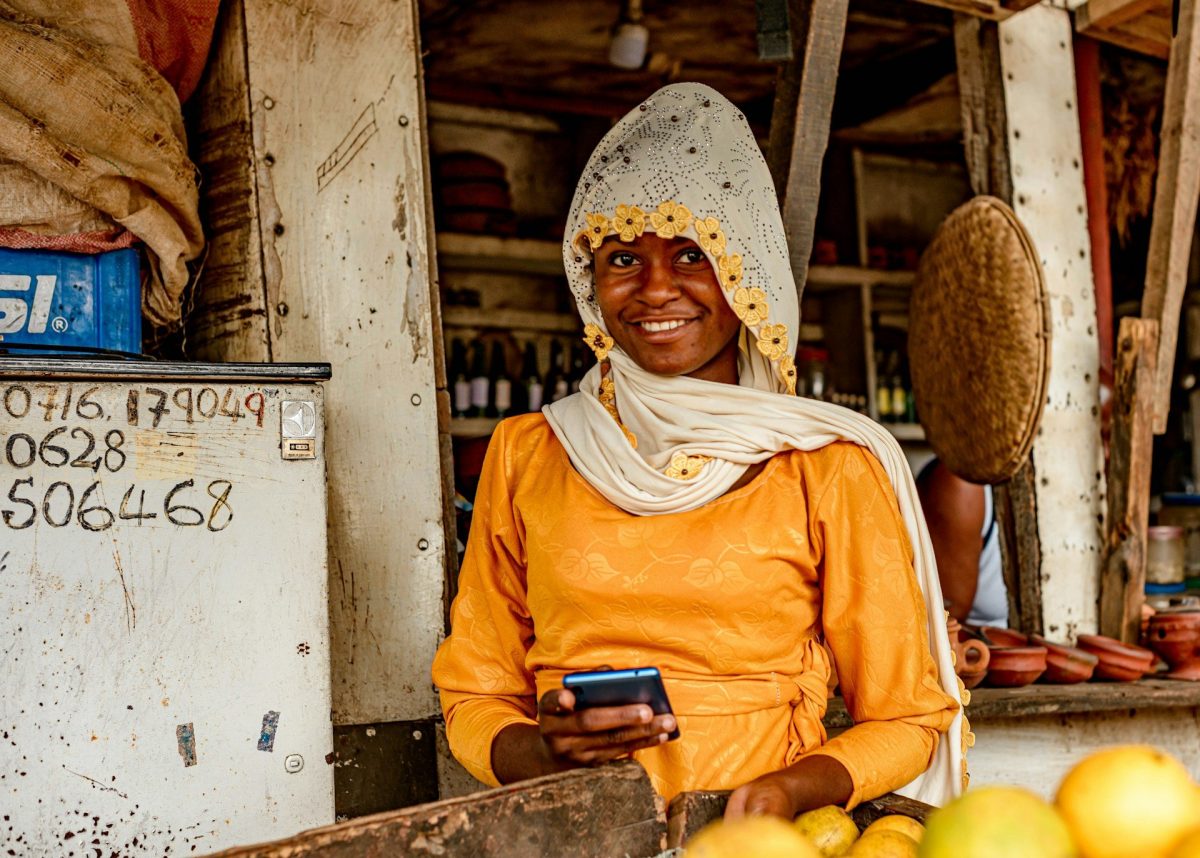
Digital public infrastructure (DPI) isn’t just a tool – it’s a game changer for Africa. Here’s why:
- Fueling Economic Growth & Inclusion: DPI is key to accelerating economic progress, fostering social inclusion, and ensuring efficient service delivery across the continent.
- Trust & Security: A successful DPI system hinges on trust, security, and seamless interoperability – essential ingredients for promoting cross-border trade, e-commerce, and financial inclusion, particularly for small businesses.
- Collaboration & Innovation: Partnerships with the private sector and the use of open-source technologies are pivotal in scaling DPI, driving innovation, and creating solutions tailored to Africa’s diverse needs.
Countries that have invested in strong digital foundations are proving that DPI is more than just a service – it’s a vital public resource. In times of crisis or rapid development, those with robust digital infrastructure are able to respond faster, deliver services more effectively, and provide greater access for all.
According to the World Bank, a well-developed DPI can ignite economic growth, reduce inequality, and empower individuals in ways never thought possible.
Africa’s Digital Transformation: Leading the Charge
Africa is already making remarkable progress in advancing DPI. Take East Africa, for example – the region that gave birth to mobile money. With around 320 million people, East Africa has become one of the continent’s most tech-savvy regions, with M-Pesa leading the way.
M-Pesa’s success story demonstrates the incredible potential of public and private innovation in driving digital transformation. In West Africa, Nigeria’s Cash Transfer Programme, powered by a strong DPI, has already reached 10 million beneficiaries, illustrating the power of digital tools for social change.
Investing in the Future
Across the continent, governments are stepping up to invest in digital infrastructure. In Rwanda, the Irembo platform delivers over 100 public services online, making government services more accessible and efficient. Similarly, Uganda’s UGHub platform improves data interoperability, enhancing service delivery across government agencies.
Initiatives like these are supported by organizations like the Digital Impact Alliance, which emphasizes local innovation and public-private partnerships. Somalia is also digitizing its government services with support from GovStack, ensuring a secure and efficient process for citizens.
Unlocking Cross-Border Growth
Understanding the value of DPI is key. While each country builds its digital infrastructure in unique ways, the common thread is the importance of security, trust, and interoperability. DPI is a shared resource that can provide inclusive access to services, fostering a more connected and resilient society.
When people trust that their data is secure, they are more likely to engage in digital transactions, helping to fuel the digital economy. A secure DPI makes cross-border trade smoother, supporting the growth of small businesses and e-commerce platforms. It’s vital for boosting regional trade and unlocking economic opportunities.
Regional Integration: A Shared Vision
For Africa, secure DPI is essential to regional integration. By harmonizing digital standards across borders, businesses can operate more efficiently, reduce costs, and remain competitive. The African Continental Free Trade Area (AfCFTA) is a step toward greater integration, with the goal of increasing intra-African trade by 52.3% by removing barriers and facilitating seamless transactions.
However, challenges remain, such as mistrust, digital literacy gaps, and privacy concerns. To overcome these obstacles, transparency, stronger legal frameworks, and investments in digital literacy are crucial. The East African Community’s Digital Leaders Forum is an example of how digital leaders are collaborating to address these challenges and drive the region’s digital transformation.
Fueling Innovation through Private Sector Partnerships
The private sector is crucial in accelerating DPI development. Through partnerships, tech expertise, and investment, private companies can provide tailored solutions to enhance security and efficiency. Tech firms specializing in cybersecurity, data analytics, and digital payments play an essential role in making DPI scalable across regions.
For example, in Tanzania, Vodacom’s M-Pesa revolutionized financial inclusion, prompting the government to adopt e-payment systems for taxes and public services. The Tanzanian Revenue Authority has even integrated M-Pesa into its tax collection system, simplifying payments for both citizens and businesses.
A Tailored Approach: Local Solutions for Local Needs
DPI development isn’t linear – it requires localized tech ecosystems to thrive. Each country’s unique needs must shape its DPI strategy, with local tech vendors playing a key role in ensuring long-term sustainability. Open-source technologies offer customizable solutions that are both cost-effective and adaptable to specific regional contexts, fostering collaboration and innovation.
Burundi’s $92 million digital transformation program, which integrates DPI, is a prime example. The initiative aims to streamline public services and enhance transparency, making essential services more secure and accessible to all.
In conclusion, secure and trustworthy DPI is essential for Africa’s future. It can accelerate economic growth, foster regional integration, and empower citizens across the continent. With the right investments and partnerships, Africa is poised to lead the world in digital transformation.
Read Original Story Here