Imagine a Kenya where every financial transaction—be it buying groceries in Nairobi or sending money to family in Mombasa—happens instantly, securely, and inclusively. This vision is rapidly becoming a reality as Kenya embarks on a transformative journey to revolutionize its payment systems.
The Digital Payment Surge
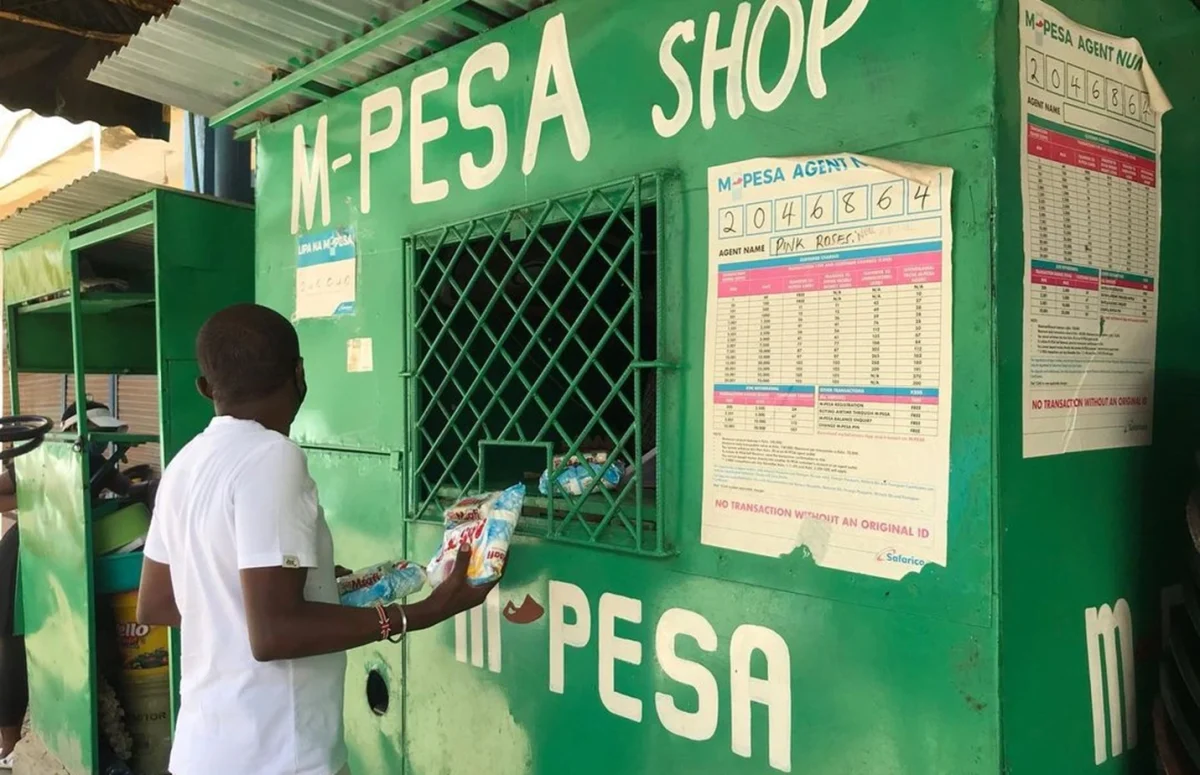
Kenya has long been a pioneer in digital finance, with mobile money platforms like M-Pesa leading the charge. In 2022 alone, Kenyans conducted an astounding KSh7.91 trillion in mobile money transactions, averaging KSh21.7 billion daily. This digital revolution has not only enhanced convenience but also bolstered economic resilience, especially during income fluctuations.
The Inclusivity Challenge
Despite these advancements, a significant portion of the population remains excluded from formal financial services. Approximately 400 million adults across Africa lack access to digital payment systems, with a notable share in Kenya. Barriers such as high transaction costs, limited digital literacy, and unreliable mobile networks persist, hindering the transition from cash to digital payments.
A Unified Fast-Payment System
To bridge this gap, the Central Bank of Kenya (CBK) is spearheading the development of a Fast Payment System (FPS). This innovative platform aims to enable instant transfers across all financial institutions, including banks and payment service providers. By fostering interoperability, the FPS will ensure that customers can send and receive money seamlessly, regardless of their chosen service provider.
Global Standards and Interoperability
In tandem with the FPS initiative, the CBK has upgraded the Kenya Electronic Payment and Settlement System (KEPSS) to align with global ISO 20022 standards. This upgrade enhances the accuracy and richness of financial data exchanged, paving the way for more efficient and secure transactions. Such strides are positioning Kenya alongside 57 other countries with operational fast-payment systems, as highlighted in the 2023 World Bank Global Payment Systems Survey.
The Road Ahead
Achieving mature inclusivity in instant payment systems requires a multifaceted approach. It’s imperative to expand the range of use cases, from everyday retail transactions to government disbursements. Additionally, implementing pro-poor governance models and cost-recovery structures will ensure affordability for all users. Addressing challenges like data privacy concerns and enhancing customer recourse mechanisms will further build trust and drive widespread adoption.
Embracing the Future
Kenya stands at the cusp of a financial revolution. By embracing cutting-edge payment solutions and prioritizing inclusivity, the nation is poised to redefine its economic landscape. As these systems evolve, every Kenyan, from urban centers to rural communities, will have the opportunity to participate fully in the digital economy, fostering growth and prosperity for all.