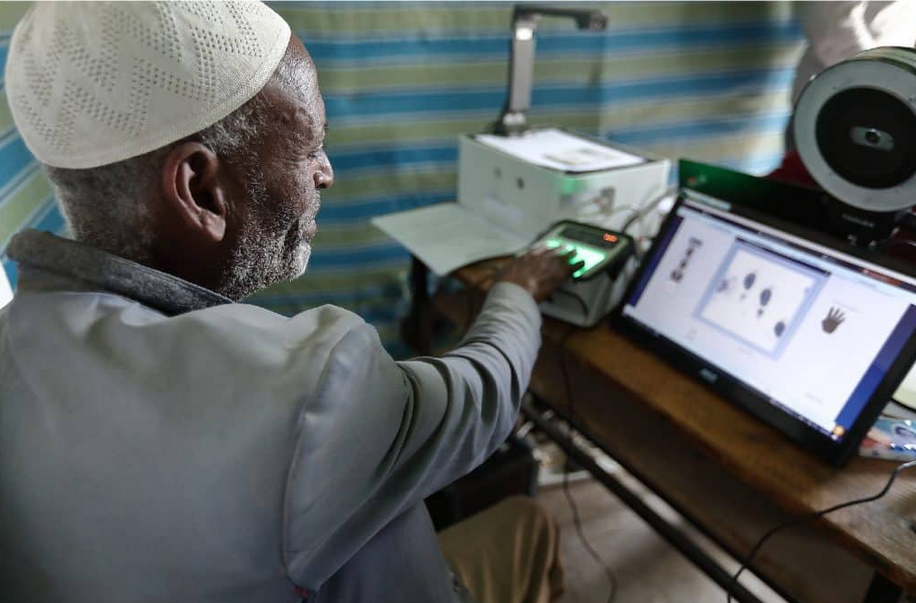
South Africa is embarking on a transformative journey to replace the traditional green ID book with a new smart identity system. President Ramaphosa announced during his 2025 State of the Nation Address on 6 February that enhanced digital public infrastructure will eventually render the old green ID obsolete. This initiative marks the beginning of a fully integrated digital ecosystem, connecting all government services for greater efficiency and security.
Key Highlights
- Digital Transformation Initiative
- Objective: Replace the green ID book with a smart ID card featuring biometric verification and digital security.
- Integration: Every citizen will receive a Unique Digital Identifier (UDI) linked to all government transactions.
- Connectivity: The new system will connect various government departments—such as vehicle licensing, tax returns, social grants, healthcare, and Home Affairs services—into one unified digital platform.
- Enhanced Security
- Mitigating Risks: The old green ID book has been identified as a potential vulnerability for identity theft. Digital verification and biometric features will greatly reduce such risks.
- Interconnected Data: The UDI ensures that every interaction with government services is securely recorded and updated in real time.
- Progress and Performance
- Record Issuance Numbers:
- 1 October – 31 December 2024: 970,543 smart IDs issued (target: 575,000).
- 1 July – 30 September 2024: 895,125 smart IDs issued (target: 625,000).
- Future Target: The department aims to process 3.6 million smart IDs in 2025, significantly surpassing previous outputs.
- Record Issuance Numbers:
- Eligibility Requirements for a Smart ID Card
- Must be at least 16 years old.
- Foreign-born citizens can use a government-issued passport.
- Acceptable documents include IDs from the former Transkei, Bophutatswana, Venda, or Ciskei.
- First-time applicants must provide an original birth certificate.
- Proof of legal guardianship is required if applicable.
- Parents of first-time applicants must present their own IDs.
- In case of deceased parents, death certificates must be supplied.
- A valid proof of address (e.g., utility bill).
- Naturalised citizens must provide a valid permanent resident certificate.
- For lost/stolen IDs, a sworn police affidavit with a case number is needed.
- Replacement smart ID card cost: R140.
What This Means for South Africa
- Integrated Government Services:
- Citizens will soon have access to a relaunched gov.za platform, where all key services are interconnected.
- A single UDI will streamline transactions with multiple agencies, making processes like applying for vehicle licenses, tax returns, and social grants more efficient.
- Economic and Security Benefits:
- Enhanced security features reduce the risk of identity theft.
- The digital system supports President Ramaphosa’s vision of a robust digital public infrastructure, driving improved service delivery and economic efficiency.
- Transition Period:
- Although the green ID book will no longer be issued after 2025, current holders do not need to worry; these documents will remain valid until the transition is complete.
- Home Affairs is working diligently to exceed its targets, ensuring a smooth migration for all citizens.
South Africa’s transition to a smart ID system is more than just an upgrade—it is a critical step toward a fully digitized society. With record-breaking performance in smart ID issuance and a clear roadmap for digital integration, the nation is well on its way to enhancing security and streamlining access to essential government services.
By integrating robust digital identity verification with a comprehensive digital infrastructure, South Africa is setting the stage for a secure, efficient, and connected future.