The Role of Digital Public Infrastructure in Africa’s Digital Health Services
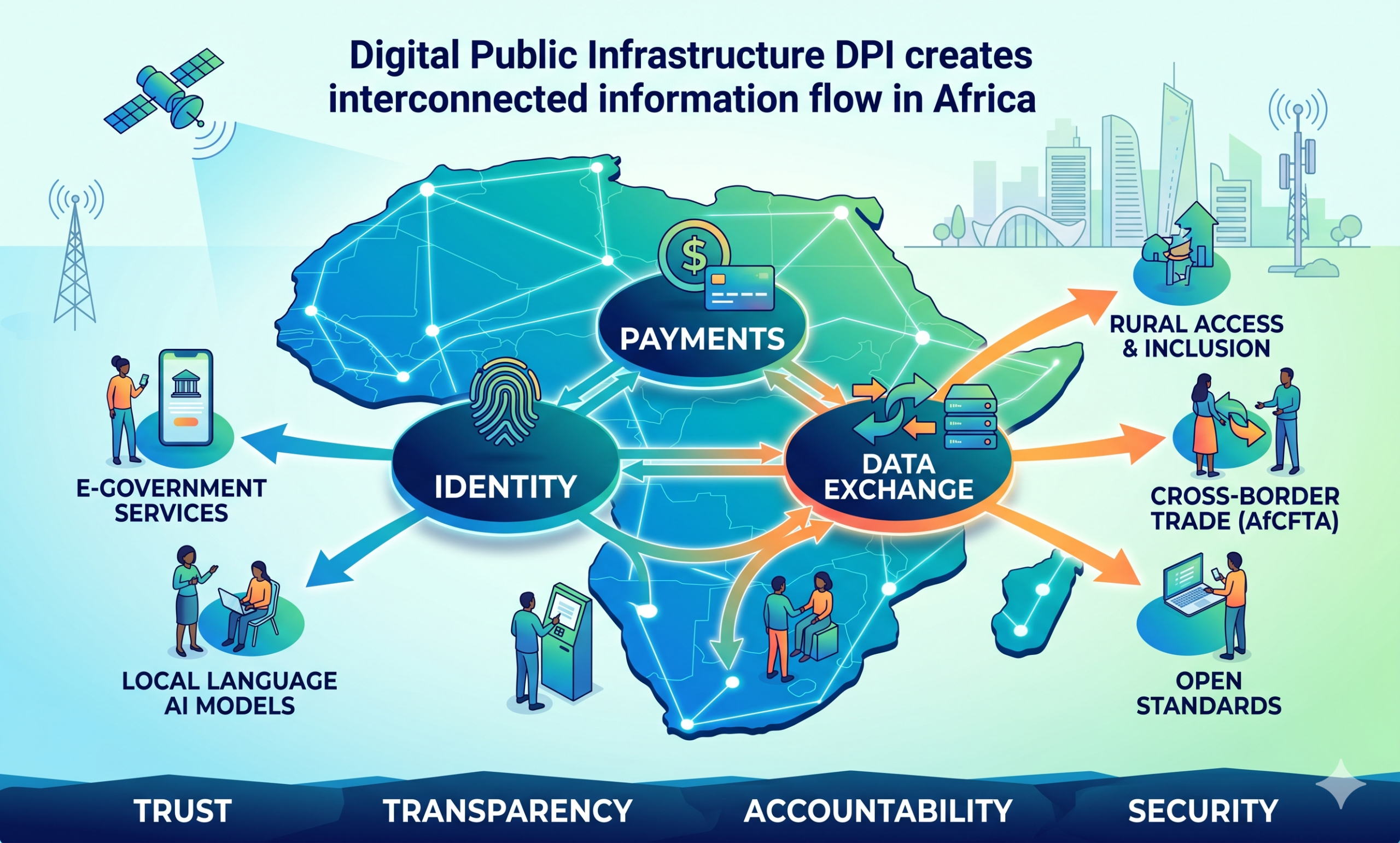
Digital Health Services are revolutionizing the healthcare landscape across Africa, providing innovative solutions to long-standing challenges in access, quality, and efficiency. At the heart of this transformation is Digital Public Infrastructure (DPI), which offers the essential digital tools and systems that support the delivery of healthcare services. This post explores how DPI is enhancing digital health services in Africa, the impact on communities, and the future directions for this critical sector.
The Importance of Digital Health Services in Africa
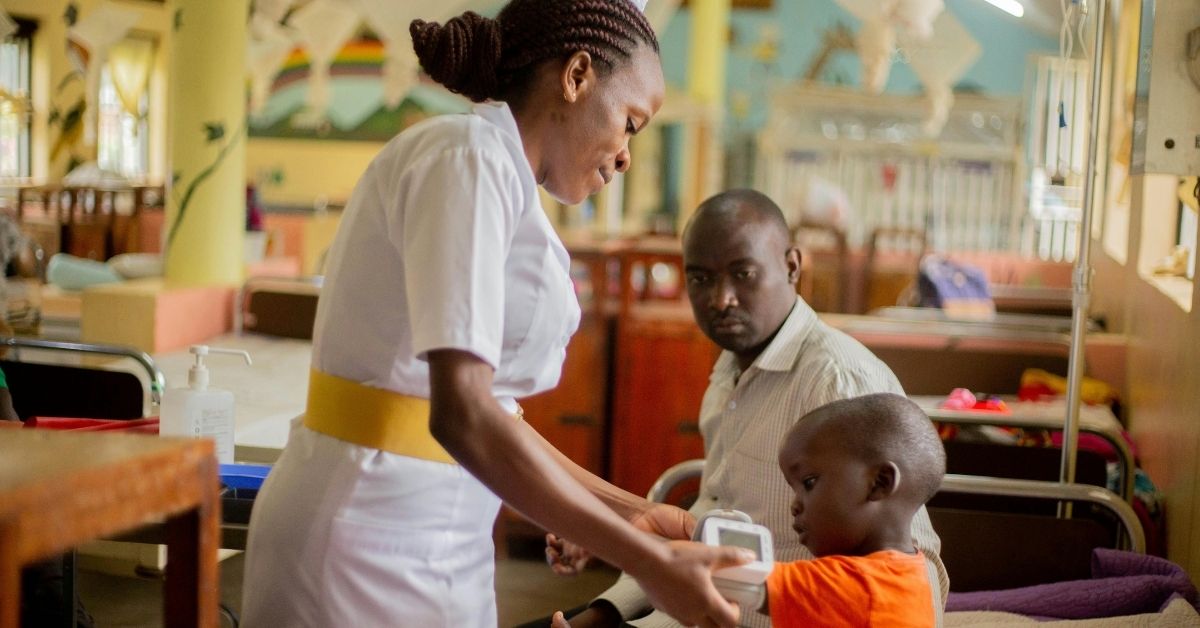
Digital Health Services leverage technology to improve healthcare delivery, from remote consultations and electronic health records to health information systems and mobile health applications. These services are particularly valuable in Africa, where healthcare access and quality are often limited by infrastructure constraints and resource shortages. Digital health solutions can bridge these gaps, bringing healthcare to underserved communities and improving overall health outcomes.
How DPI Supports Digital Health Services
- Enhanced Connectivity for Remote Healthcare: DPI provides the necessary broadband and mobile internet infrastructure to support telemedicine and remote healthcare services. With improved connectivity, patients in remote and rural areas can access medical consultations and specialist advice without the need to travel long distances. This is particularly important for managing chronic diseases and providing timely medical intervention.
- Secure and Efficient Health Information Systems: DPI enables the implementation of electronic health records (EHR) systems, which ensure secure and efficient storage and retrieval of patient data. EHR systems streamline medical record-keeping, reduce errors, and facilitate better coordination of care among healthcare providers. They also support data analytics for public health planning and disease surveillance.
- Mobile Health (mHealth) Applications: Mobile health applications, supported by DPI, empower individuals with health information, self-monitoring tools, and access to healthcare services via their smartphones. These applications can provide reminders for medication adherence, health education, and monitoring tools for conditions like diabetes and hypertension. mHealth apps are crucial for promoting preventive healthcare and improving health literacy.
- Telemedicine and Virtual Consultations: DPI supports telemedicine platforms that connect patients with healthcare providers through video calls and online messaging. Telemedicine reduces the burden on overcrowded hospitals, allows for timely medical advice, and extends the reach of healthcare services to remote areas. It also enables follow-up consultations and continuous care for patients with chronic conditions.
- Health Data Analytics and Public Health: DPI facilitates the collection and analysis of health data, which is essential for public health monitoring and decision-making. By leveraging big data analytics, health authorities can track disease outbreaks, monitor health trends, and allocate resources more effectively. This data-driven approach enhances the ability to respond to public health emergencies and plan long-term health strategies.
Impact of Digital Health Services on African Communities
The integration of digital health services through DPI has had a profound impact on African communities:
- Improved Access to Healthcare: Digital health services have made healthcare more accessible to people in remote and underserved areas. Telemedicine, mobile clinics, and mHealth applications have brought medical advice and care to those who previously had limited or no access to healthcare facilities.
- Enhanced Quality of Care: With EHR systems and telemedicine, the quality of healthcare has improved through better diagnosis, treatment, and follow-up. Healthcare providers have access to comprehensive patient histories, enabling more accurate and personalized care.
- Increased Health Literacy and Preventive Care: mHealth applications and digital health campaigns have increased health literacy among African populations. People are better informed about their health, leading to more proactive and preventive healthcare behaviors.
- Empowerment of Women and Vulnerable Groups: Digital health services have empowered women and vulnerable groups by providing them with confidential and convenient access to healthcare. For example, maternal health apps offer prenatal care information and reminders, while telemedicine ensures privacy for sensitive health issues.
Case Studies and Success Stories
Several African countries have successfully integrated DPI into their healthcare systems:
- Rwanda: The implementation of the Rwanda Health Management Information System (RHMIS) has transformed data collection and health reporting, improving public health planning and disease control efforts.
- Kenya: The M-TIBA mobile health wallet enables individuals to save, send, and spend funds specifically for healthcare, facilitating access to medical services and promoting financial inclusion in health.
- South Africa: The MomConnect program, an mHealth initiative, provides pregnant women with vital health information via SMS, improving maternal and child health outcomes.
Future Directions and Recommendations
To further advance digital health services in Africa, the following steps are crucial:
- Invest in DPI: Continued investment in digital infrastructure is essential to support the expansion of digital health services. Governments and private sector partners should collaborate to ensure robust and widespread connectivity.
- Enhance Digital Literacy: Digital literacy programs should be implemented to educate healthcare providers and the general public on the use of digital health tools and services.
- Strengthen Regulatory Frameworks: Clear and supportive regulatory frameworks are needed to ensure the security, privacy, and interoperability of digital health systems.
- Promote Cross-Sector Collaboration: Collaboration between health ministries, technology providers, and international organizations can drive innovation and scale successful digital health initiatives.
- Expand Telemedicine and EHR Systems: Scaling up telemedicine and EHR systems can further improve access to quality healthcare and streamline health information management.
Digital Public Infrastructure is a powerful enabler of digital health services in Africa. By providing the necessary tools, technologies, and connectivity, DPI transforms healthcare delivery, making it more accessible, efficient, and effective. As African countries continue to invest in and expand their DPI, the continent can look forward to a future where every individual has the opportunity to receive quality healthcare, regardless of their location. This transformation not only improves health outcomes but also drives socio-economic development, creating a healthier and more prosperous Africa.