Kenya is at the forefront of Africa’s digital transformation, with groundbreaking initiatives like the Digital Literacy Programme (DLP), Konza Technopolis, Huduma Namba, and e-Citizen shaping the nation’s future. As Kenya strives to become a leading player in the global digital economy, these Digital Public Infrastructure (DPI) projects are empowering students, fostering innovation, and driving economic growth. This article explores how Kenya’s digital literacy programme and Konza Technopolis are impacting the country positively, as well as the challenges they are facing.
Digital Literacy Programme (DLP): Empowering Kenya’s Future
The Digital Literacy Programme (DLP) is a flagship initiative by the Kenyan government that seeks to integrate technology into education to enhance learning and prepare students for a digital future. By providing digital devices and training to primary school students and teachers, DLP seeks to foster a culture of innovation in Kenyan classrooms. This article examines the successes and challenges of the DLP, highlighting its local context and relevance to Kenya’s socio-economic landscape.

Successes of the Digital Literacy Programme
Enhanced Learning Experiences: The DLP has transformed the learning experience for Kenyan students. Digital devices such as tablets and laptops have been distributed to primary schools, enabling interactive and engaging learning. Digital content tailored to the Kenyan curriculum enhances understanding and retention, making learning more enjoyable and effective.
Teacher Training and Capacity Building: The program has also focused on training teachers to effectively use digital tools in their teaching. By equipping educators with the necessary skills, the DLP ensures that technology is integrated into the learning process, enhancing the overall quality of education. This capacity-building initiative empowers teachers and improves their professional development.
Bridging the Digital Divide: The DLP plays a crucial role in bridging the digital divide between urban and rural areas. By providing digital devices to schools in remote and underserved regions, the program ensures that all students have access to technology, regardless of their location. This inclusivity promotes equal opportunities for learning and development.
Preparation for a Digital Economy: By introducing students to digital tools at an early age, the DLP prepares them for a future in a digital economy. Students gain essential digital skills that are increasingly in demand in the job market. This early exposure to technology fosters innovation and creativity, preparing the next generation of leaders and entrepreneurs.

Challenges Faced by the Digital Literacy Programme
Infrastructure and Connectivity Issues: One of the primary challenges faced by the DLP is the lack of adequate infrastructure and internet connectivity, especially in remote areas. Ensuring that all schools have access to reliable electricity and internet is crucial for the success of the program. Continuous investment in infrastructure is necessary to overcome this challenge.
Maintenance and Sustainability: Maintaining digital devices and ensuring their longevity is another significant challenge. Regular maintenance, software updates, and repairs are necessary to keep the devices functional. Developing a sustainable model for device maintenance and replacement is essential to ensure the program’s long-term success.
Digital Literacy and Adaptation: While the DLP aims to improve digital literacy, there is still a need to ensure that both students and teachers can effectively use the digital tools provided. Continuous training and support are necessary to help them adapt to the new technology and maximize its benefits.
Budget Constraints: Implementing the DLP requires substantial financial resources. Budget constraints can limit the scope and effectiveness of the program. Securing consistent funding and exploring partnerships with private sector entities can help address this issue and ensure the program’s sustainability.
Local Context and Relevance of the Digital Literacy Programme
Supporting Kenya’s Vision 2030: The DLP aligns with Kenya’s Vision 2030, which aims to transform the country into a newly industrializing, middle-income nation. By integrating technology into education, the DLP supports the development of a skilled workforce, fostering economic growth and competitiveness in the global market.
Promoting Social Equity: In a country with significant socio-economic disparities, the DLP promotes social equity by providing equal access to digital resources for all students. This initiative ensures that children from disadvantaged backgrounds have the same opportunities for learning and development as their urban counterparts.

Conclusion
The Digital Literacy Programme (DLP) is a transformative initiative that has significantly enhanced education in Kenya. While it faces challenges such as infrastructure issues, maintenance, and budget constraints, its successes in enhancing learning experiences, bridging the digital divide, and preparing students for a digital future are commendable. By addressing these challenges and continuing to invest in digital infrastructure, Kenya can further strengthen the DLP, empowering its future generations and fostering inclusive growth and development.
Konza Technopolis: Pioneering Kenya’s Digital Future
Konza Technopolis, often referred to as “Silicon Savannah,” is a flagship project by the Kenyan government aimed at transforming the country into a knowledge-based economy. As a key component of Kenya’s Vision 2030, Konza Technopolis is designed to be a sustainable, world-class technology hub that fosters innovation, research, and development. This article explores the successes and challenges of Konza Technopolis, highlighting its local context and relevance to Kenya’s socio-economic landscape.

Successes of Konza Technopolis
Economic Growth and Job Creation: Konza Technopolis has been a significant driver of economic growth and job creation in Kenya. By attracting both local and international investors, the technopolis has spurred the development of various industries, including ICT, biotechnology, and renewable energy. The project has created numerous job opportunities for Kenyans, contributing to the reduction of unemployment rates and boosting the local economy.
Innovation and Research Hub: Konza Technopolis serves as a hub for innovation and research, providing a conducive environment for startups, tech companies, and research institutions. The technopolis fosters collaboration between academia and industry, facilitating the development of cutting-edge technologies and solutions. This emphasis on innovation has positioned Kenya as a leader in technology and research in Africa.
Infrastructure Development: The development of Konza Technopolis has led to significant improvements in infrastructure, including roads, telecommunications, and power supply. These infrastructural advancements not only benefit the technopolis but also the surrounding communities, enhancing connectivity and access to essential services.
Sustainable Development: Konza Technopolis is designed with sustainability in mind. The project incorporates green building practices, renewable energy sources, and efficient waste management systems. These initiatives contribute to environmental conservation and promote sustainable urban development.
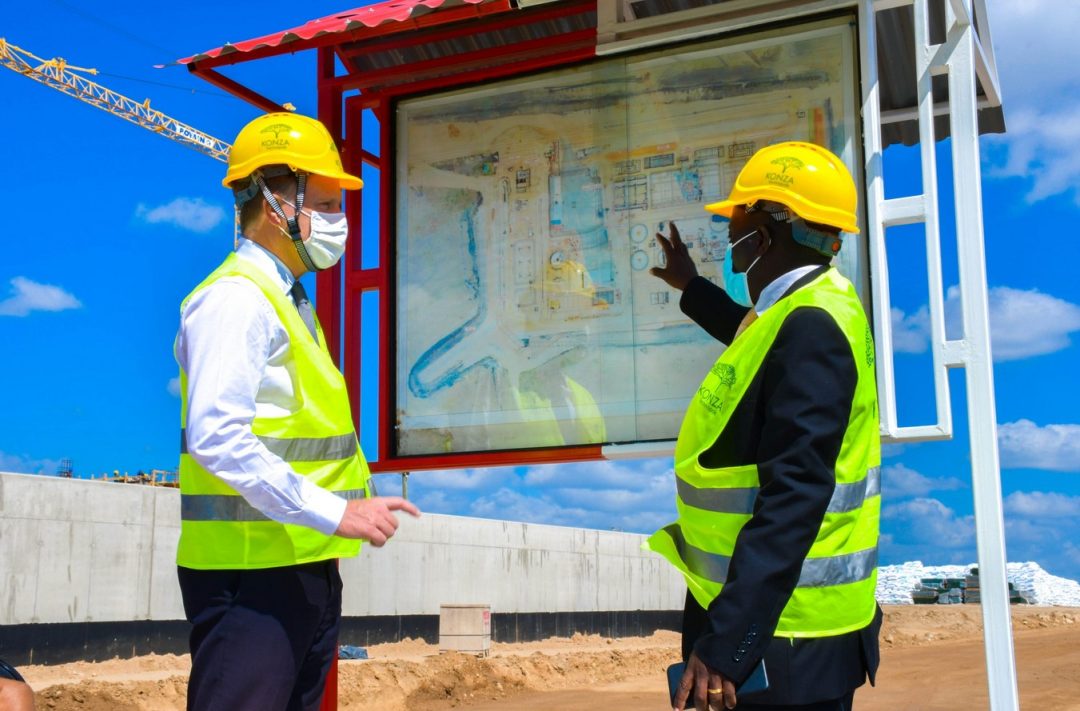
Challenges Faced by Konza Technopolis
Funding and Investment: Securing consistent funding and attracting sufficient investment have been major challenges for Konza Technopolis. The ambitious nature of the project requires substantial financial resources, and fluctuations in funding can impact the pace of development. Continuous efforts are needed to attract both public and private sector investments to ensure the project’s sustainability.
Land Acquisition and Resettlement: Land acquisition and resettlement issues have posed significant challenges to the development of Konza Technopolis. Ensuring fair compensation and addressing the concerns of affected communities is critical to maintaining social harmony and project progress.
Infrastructure and Connectivity: While significant progress has been made, there are still gaps in infrastructure and connectivity that need to be addressed. Ensuring reliable power supply, high-speed internet, and efficient transport systems are essential for the technopolis to function optimally and attract investors.
Skill Development and Workforce: Building a skilled workforce to meet the demands of a high-tech environment is another challenge. Continuous investment in education and training is necessary to equip Kenyans with the skills required to thrive in a knowledge-based economy. Collaboration between educational institutions and industry can help bridge this skills gap.
Local Context and Relevance
Supporting Kenya’s Vision 2030: Konza Technopolis is a cornerstone of Kenya’s Vision 2030, which aims to transform the country into a newly industrializing, middle-income nation. By fostering innovation, technology, and research, Konza Technopolis supports the vision’s goals of economic development, social inclusion, and environmental sustainability.
Promoting Regional Development: The technopolis plays a crucial role in promoting regional development by attracting investments and creating job opportunities in areas outside of Nairobi. This decentralized development approach helps reduce regional disparities and promotes balanced economic growth across the country.
Conclusion
Konza Technopolis represents a bold step towards positioning Kenya as a global technology and innovation hub. While it faces challenges such as funding, land acquisition, and infrastructure gaps, its successes in driving economic growth, fostering innovation, and promoting sustainable development are commendable. By addressing these challenges and continuing to invest in the technopolis, Kenya can solidify its place as a leader in the digital economy and achieve its Vision 2030 goals.