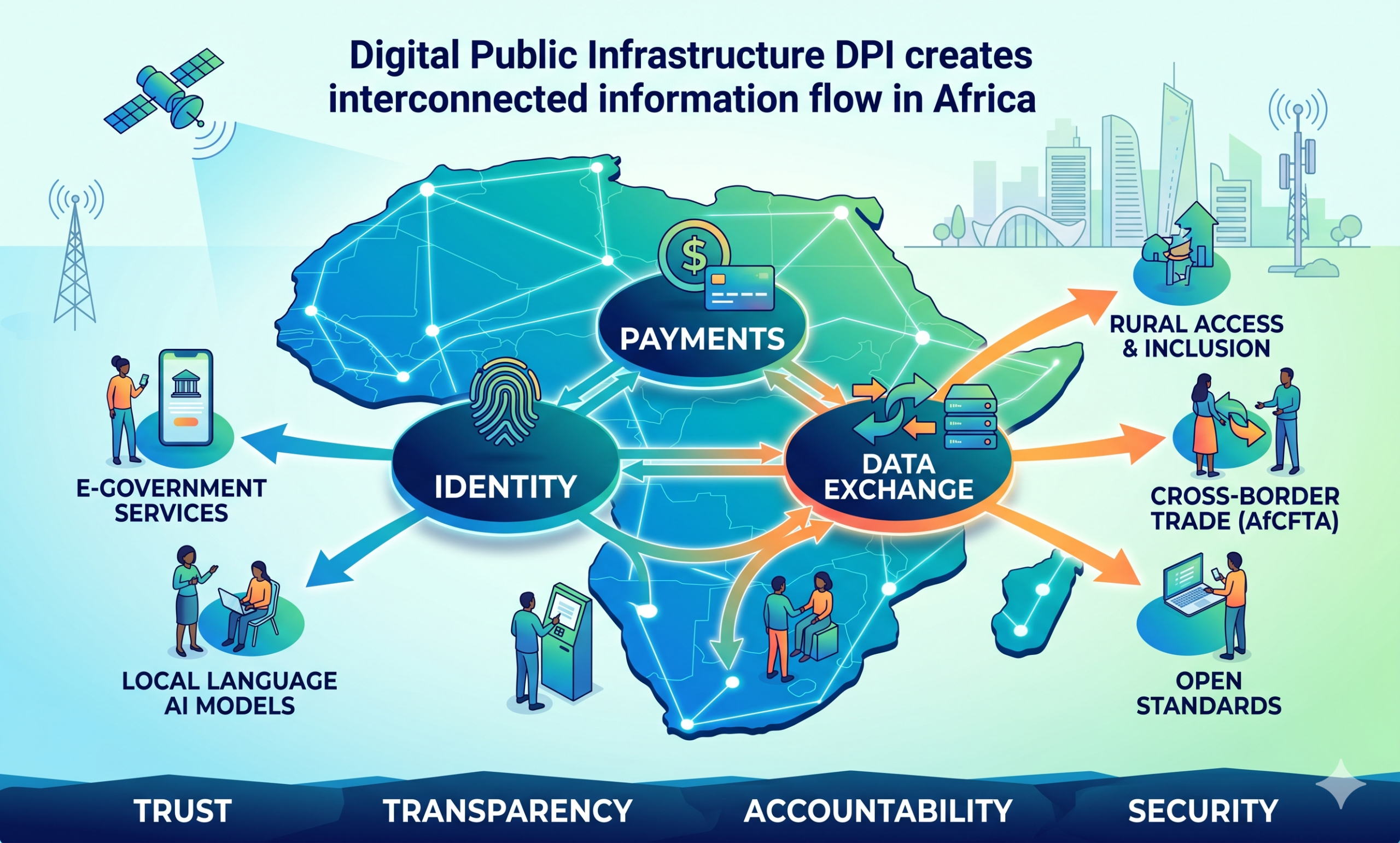
Transforming Economies through Digital Public Infrastructure
Digital Financial Services (DFS) are revolutionizing the financial landscape in Africa, providing unprecedented opportunities for economic growth and inclusion. Digital Public Infrastructure (DPI) plays a crucial role in enabling and expanding these services, ensuring they reach even the most remote and underserved communities. This post explores how DPI supports the proliferation of DFS, the impact on African economies, and the steps needed to continue this digital transformation.
The Role of Digital Financial Services in Africa
Digital Financial Services encompass a range of financial products and services delivered through digital channels, including mobile money, digital banking, and online payment platforms. These services have transformed the way people manage money, offering greater convenience, security, and accessibility. In Africa, where traditional banking infrastructure is often limited, DFS provide a vital lifeline for financial inclusion.
How DPI Supports Digital Financial Services
- Enhanced Connectivity and Access: DPI facilitates the expansion of broadband and mobile internet connectivity, which is essential for the delivery of DFS. By deploying digital infrastructure such as fiber optic cables and mobile networks, DPI ensures that even rural and remote areas can access digital financial services. This connectivity enables individuals to conduct transactions, save money, and access credit through their mobile phones and other digital devices.
- Secure and Reliable Identification: Digital identification systems, a key component of DPI, provide a secure and reliable means for individuals to verify their identities when accessing DFS. This reduces the risk of fraud and enhances the security of financial transactions. Biometric IDs and digital identity platforms allow people to open bank accounts, apply for loans, and perform other financial activities securely and conveniently.
- Interoperability and Integration: DPI supports the interoperability of digital financial platforms, allowing seamless transactions across different mobile money networks and between digital wallets and traditional bank accounts. This integration is crucial for creating an inclusive financial ecosystem where users can easily transfer money, pay for goods and services, and access a variety of financial products.
- Data and Analytics: DPI enables the collection and analysis of large volumes of financial data, which can be used to enhance the delivery of DFS. Financial institutions can leverage data analytics to develop tailored financial products, assess creditworthiness, and detect fraudulent activities. This data-driven approach helps in better serving the needs of diverse customer segments and promoting financial inclusion.
Impact of Digital Financial Services on African Economies
The proliferation of DFS has had a profound impact on African economies. Here are some key benefits:
- Financial Inclusion: DFS have brought millions of unbanked and underbanked individuals into the formal financial system. Mobile money platforms like M-Pesa in Kenya have demonstrated the transformative potential of DFS by providing financial services to those who previously lacked access to traditional banking.
- Economic Growth: By facilitating financial transactions and enabling access to credit, DFS contribute to economic growth. Small and medium-sized enterprises (SMEs) benefit from digital loans and payment systems, which help them grow their businesses and create jobs.
- Empowerment of Women: DFS have played a significant role in empowering women economically. Women, who often face barriers to accessing financial services, can now save, borrow, and invest through digital platforms, leading to improved economic outcomes for themselves and their families.
- Government Revenue: DFS also contribute to increased government revenue through digital tax collection and reduced leakage in public funds. Digital payments for government services enhance transparency and efficiency in revenue collection.
Case Studies and Success Stories
Several African countries have made significant strides in leveraging DPI to expand DFS:
- Kenya: M-Pesa, launched in 2007, has revolutionized financial inclusion by providing mobile money services to millions of Kenyans. The success of M-Pesa has inspired similar initiatives across the continent.
- Nigeria: The Central Bank of Nigeria has implemented policies to promote DFS, including the establishment of the Nigeria Inter-Bank Settlement System (NIBSS) for seamless digital payments. The country has seen a rapid increase in the adoption of mobile banking and digital wallets.
- Ghana: The government’s push for digital financial inclusion has led to the development of numerous mobile money platforms, making Ghana one of the leading countries in DFS adoption in West Africa.
Future Directions and Recommendations
To continue the momentum of digital financial transformation, African countries must:
- Invest in DPI: Continued investment in digital infrastructure is crucial to expand the reach of DFS. Governments and private sector players should collaborate to build and maintain robust digital networks.
- Enhance Digital Literacy: Educating citizens about the benefits and usage of DFS is essential for wider adoption. Digital literacy programs can help people understand how to use digital financial tools safely and effectively.
- Strengthen Regulatory Frameworks: Clear and supportive regulatory frameworks are needed to support innovation and ensure the security of DFS. Regulators should work with industry stakeholders to create an enabling environment for digital finance.
- Promote Cross-Border Interoperability: Facilitating cross-border digital transactions can boost intra-African trade and economic integration. Efforts to harmonize regulations and promote interoperability across countries should be prioritized.
Digital Financial Services, supported by robust Digital Public Infrastructure, are transforming the financial landscape in Africa. By enhancing connectivity, providing secure identification, and enabling seamless transactions, DPI is driving financial inclusion and economic growth. As African countries continue to invest in and expand their digital infrastructure, the future holds great promise for a more inclusive and prosperous continent.